
What Materials Are Used in Compressed Sofas?

Buying a sofa isn’t just about looks—it’s about what’s inside. For compressed sofas, the choice of materials determines how well it compresses, decompresses, and performs long-term.
Compressed sofas are made using high-density foams, reinforced wood or metal frames, durable upholstery fabrics, and carefully selected padding and spring systems designed to handle the pressure of compression.
Let’s take a closer look at each essential component that makes a compressed sofa both space-efficient and comfortable.
What kind of frames are used in compressed sofas?
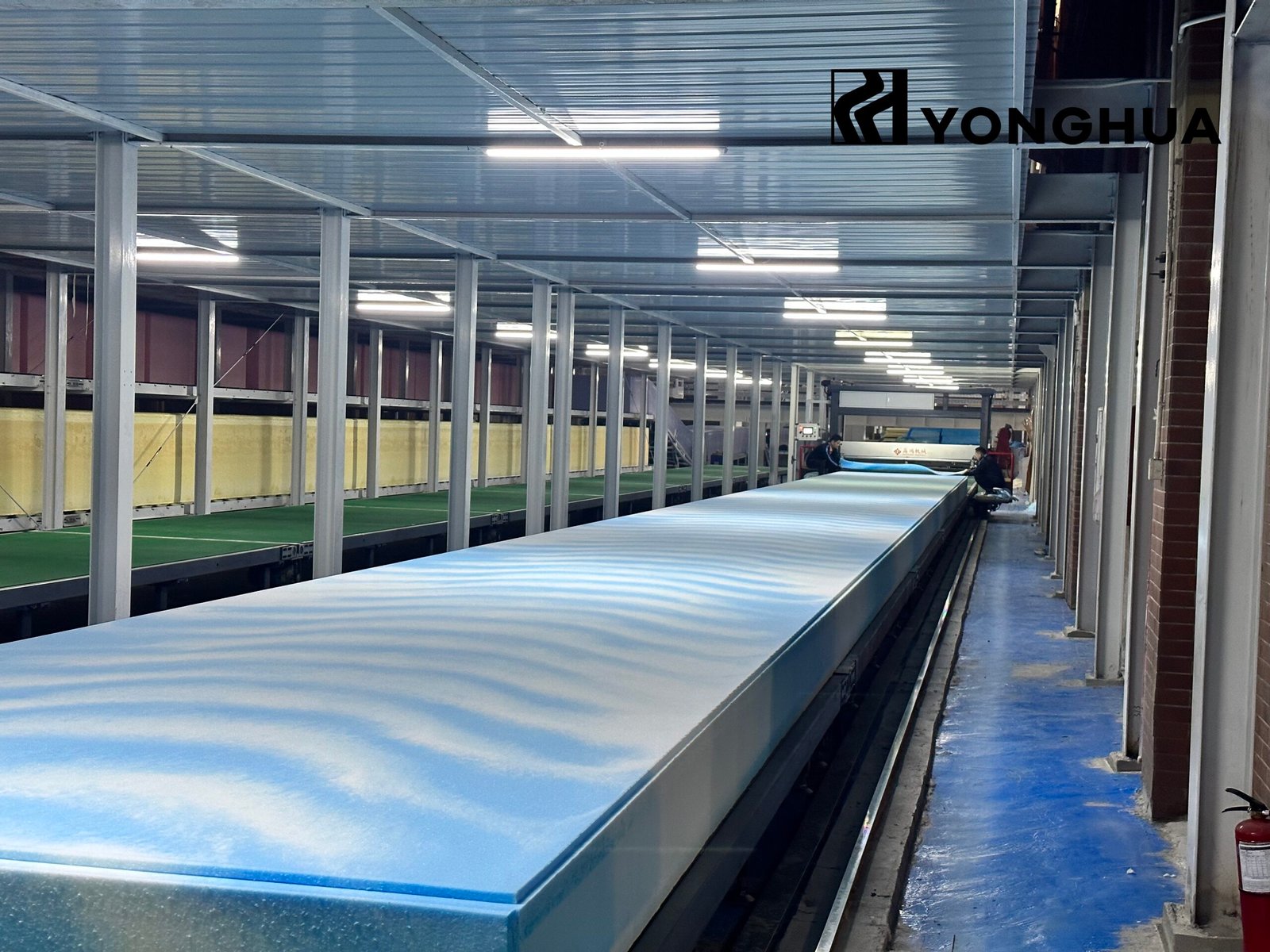
Frames can break during compression if the materials are wrong. That’s why this step is so important.
Frames in compressed sofas are usually made from hardwood, steel, or engineered wood, designed to be strong, lightweight, and resistant to pressure changes.
Types of Frame Materials
| Frame Material | Strength | Weight | Cost | Suitability for Compression |
|---|---|---|---|---|
| Hardwood (Oak, Maple) | High | Heavy | High | Excellent |
| Steel | Very High | Medium | Medium | Excellent |
| Plywood | Moderate | Light | Low | Good |
| MDF (Fiberboard) | Low | Light | Low | Limited |
Why it matters
Solid hardwood provides the most reliable support but adds weight. Steel is durable and handles compression cycles well. Plywood and MDF can reduce costs but may not last as long unless reinforced.
What types of foam are used in compressed sofas?
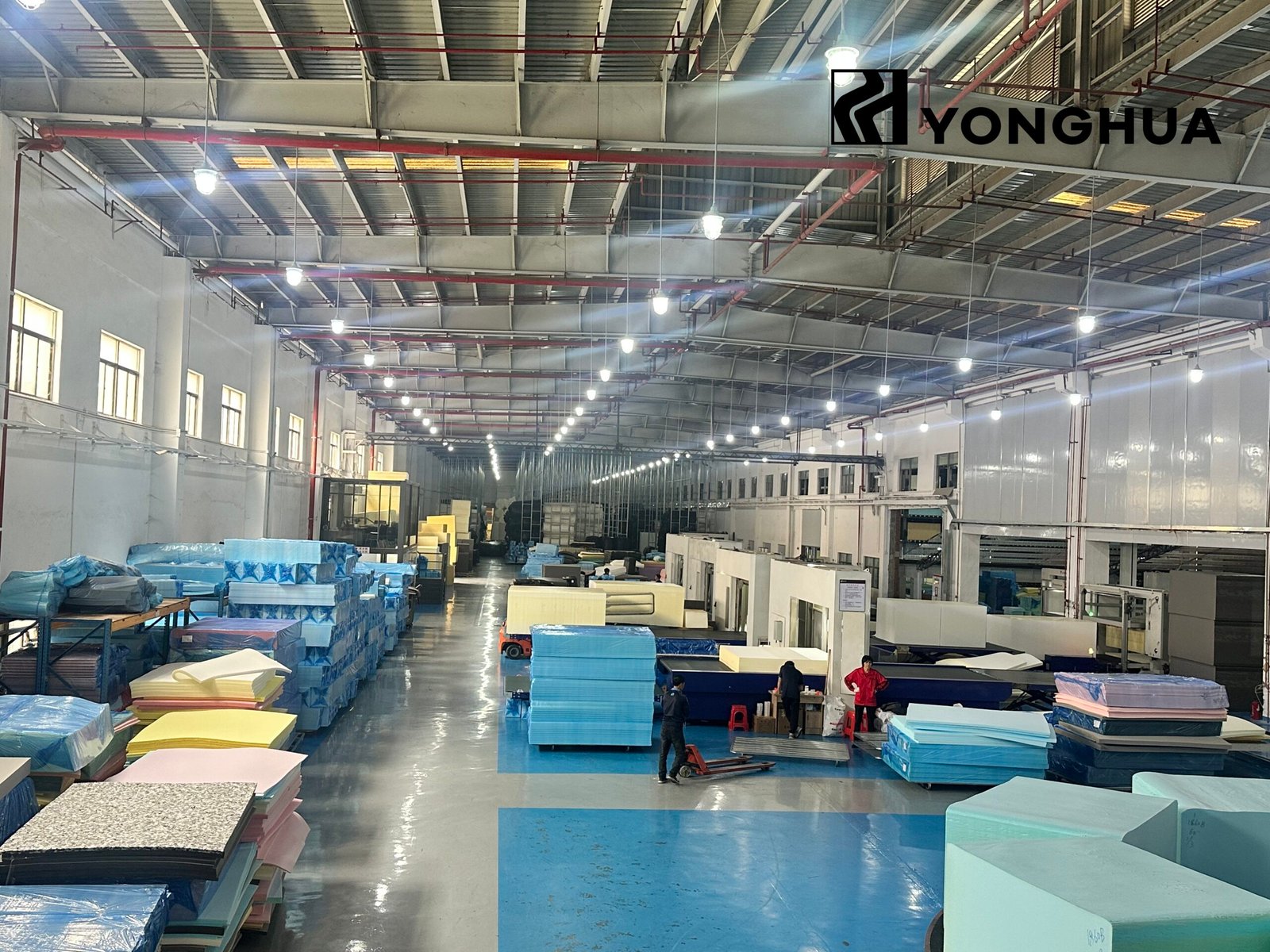
Too soft, and it flattens. Too firm, and it’s uncomfortable. We use foam that balances both.
High-density polyurethane foam is the go-to for compressed sofas. Some models also use memory or latex foam for extra comfort and longevity.
Foam Type Comparison
| Foam Type | Density Range | Comfort | Durability | Compression Recovery |
|---|---|---|---|---|
| Polyurethane | 20–50D | Medium | Medium | Good |
| Memory Foam | 50–80D | High | High | Excellent |
| Latex Foam | 60–90D | High | Very High | Excellent |
Foam Usage Zones
- Seats: High-density PU foam (35–50D)
- Backrests: Softer PU or mixed-density
- Armrests: Medium foam for softness
- Optional layers: Memory foam for ergonomic support
These foams bounce back to shape after decompression, making them ideal for compressed packaging.
What fabrics are used in compressed sofa upholstery?
Compression puts pressure on seams and surfaces. Your fabric needs to fight back.
We use durable upholstery fabrics such as polyester, linen blends, microfiber, or leather, depending on the sofa model.
Fabric Comparison Table
| Fabric Type | Durability | Maintenance | Compression Resistance | Feel |
|---|---|---|---|---|
| Polyester | High | Easy | Excellent | Smooth |
| Linen Blends | Moderate | Medium | Good | Textured |
| Microfiber | Very High | Easy | Excellent | Soft |
| Genuine Leather | High | Medium | Very Good | Premium |
Key Features We Look For:
- Tensile Strength: Prevents tearing under pressure
- Colorfastness: Resists fading over time
- Stretch Resistance: Holds shape after decompression
- Stain Resistance: Easy to clean
We also double-stitch seams and test samples through actual compression trials before launch.
What padding materials are used inside compressed sofas?
It’s what’s underneath the fabric that gives the sofa its signature comfort.
Padding layers in compressed sofas include polyester batting, fiberfill, and in premium models, down feather blends.
Padding Materials Table
| Padding Type | Softness | Resilience | Compression Resistance | Cost |
|---|---|---|---|---|
| Polyester Batting | Medium | Moderate | Good | Low |
| Fiberfill (Poly) | Soft | High | Good | Medium |
| Down Blend | Very Soft | Moderate | Fair | High |
Where It’s Used:
- Seat wrap: A thin layer of batting to smooth foam contours
- Back cushions: Fiberfill for a plush look
- Luxury tiers: Down feather mix for softness
For compressed designs, we avoid overstuffing. We use a “controlled loft” padding strategy so it decompresses evenly.
What types of spring systems are suitable for compressed sofas?
Springs help balance support and bounce. But they also need to flatten without breaking.
Compressed sofas typically use sinuous springs or pocket coil systems, both chosen for their flexibility and durability during repeated compression cycles.
Spring Systems Breakdown
| System Type | Structure Type | Support | Motion Isolation | Compression-Friendly |
|---|---|---|---|---|
| Sinuous Springs | Zig-Zag (S-shape) | Firm | Low | Excellent |
| Pocket Coils | Wrapped Coils | Medium | High | Very Good |
| Webbing | Straps/Fabric | Light | Low | Fair |
Why These Work
Sinuous springs are tightly secured to the frame and compress along with the structure. Pocket coils offer luxury seating with minimal motion transfer—ideal for mid-to-high-end models.
We test spring retention post-decompression to ensure they don’t lose shape.
What adhesives and fasteners hold compressed sofas together?
Compression exerts force in all directions. Fasteners have to hold steady.
We use industrial adhesives, staples, screws, and bolts to secure frames, padding, and upholstery in place—tested under pressure cycles.
Key Materials Used
| Fastener Type | Common Use | Benefits |
|---|---|---|
| Pneumatic Staples | Frame + fabric | Quick, strong, hidden |
| Wood Screws | Frame joins | Long-term strength |
| Industrial Glue | Foam & fabric bonding | Flexible and shock-absorbing |
| Metal Brackets | Corners and legs attachment | Reinforces structure |
The glue we use is low-VOC and heat-resistant. Staples are stainless steel to prevent rusting during shipping.
Conclusion
Compressed sofas are built from strong frames, smart foams, and tough fabrics—all selected to survive tight packing and still provide years of comfort once unpacked.