
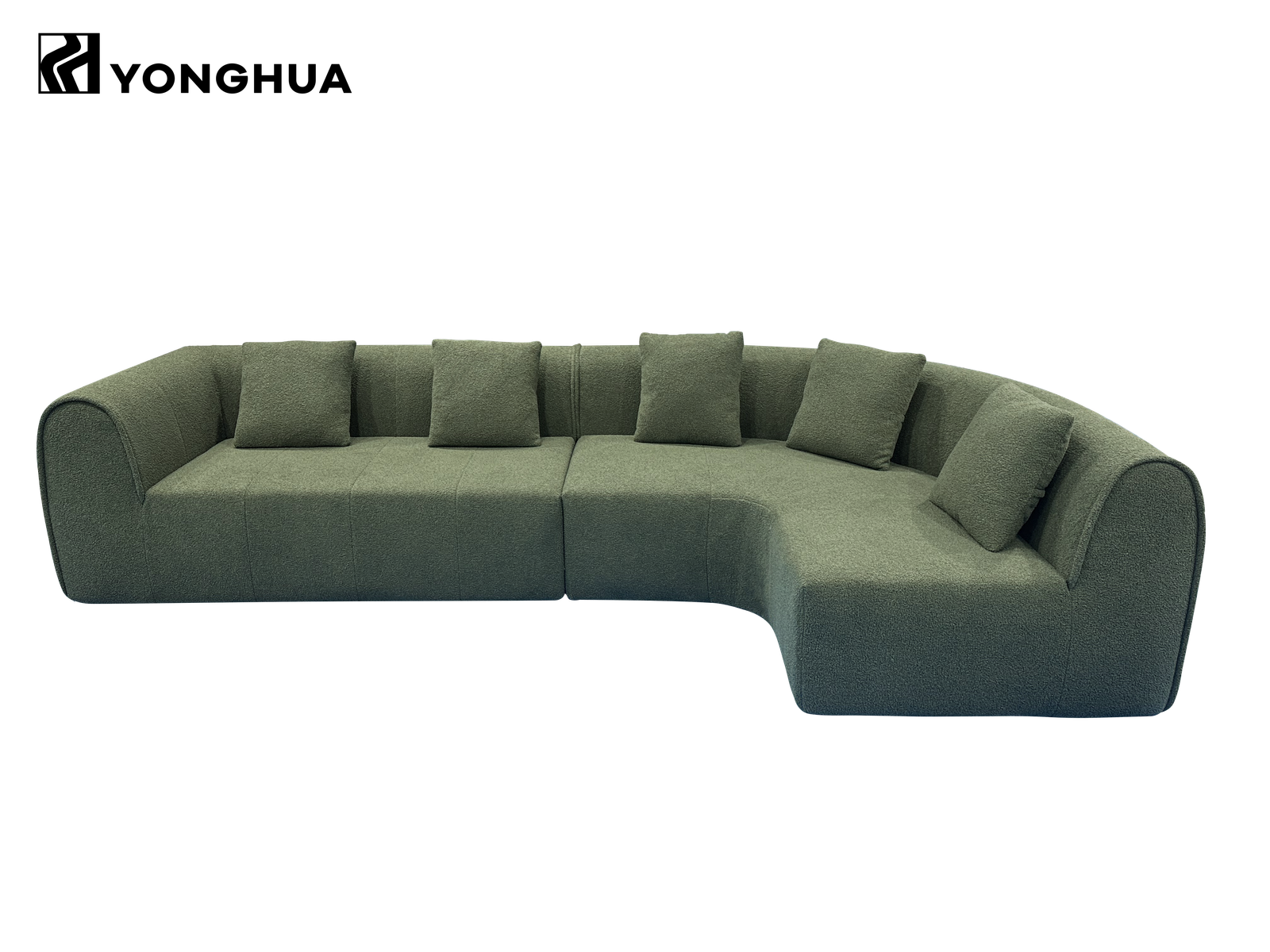
Furniture is changing fast—and compressed sofas are leading the way.
Compressed sofas are vacuum-packed or rolled into compact packages for easier shipping and setup, offering the same comfort as traditional sofas once expanded.
Let’s dive deeper, with insights from the top players in the industry.
What exactly is a compressed sofa?
It’s smart design + shipping innovation.
A compressed sofa is built with special materials and modular frames so it can be reduced in size for transport, then quickly expanded back to full form after unpacking.
Key Features:
- Vacuum-sealed cushions and frames
- Foldable or modular components
- Expand automatically within minutes
- Full-size comfort after setup
This means fewer trucks, easier moves, and lower costs.
What materials are used?
Durability + flexibility = essential.
Top suppliers use memory foam, high-density polyurethane, engineered wood frames, and wrinkle-resistant fabrics.
Material Choices:
- Memory foam (comfort + resilience)
- HD polyurethane foam (bounce-back support)
- Engineered wood or metal hybrid frames (lightweight, strong)
- Microfiber or woven polyester covers (durable, easy-care)
Good materials = sofas that look great after unboxing.
How are compressed sofas manufactured?
It’s a careful balance of strength and compressibility.
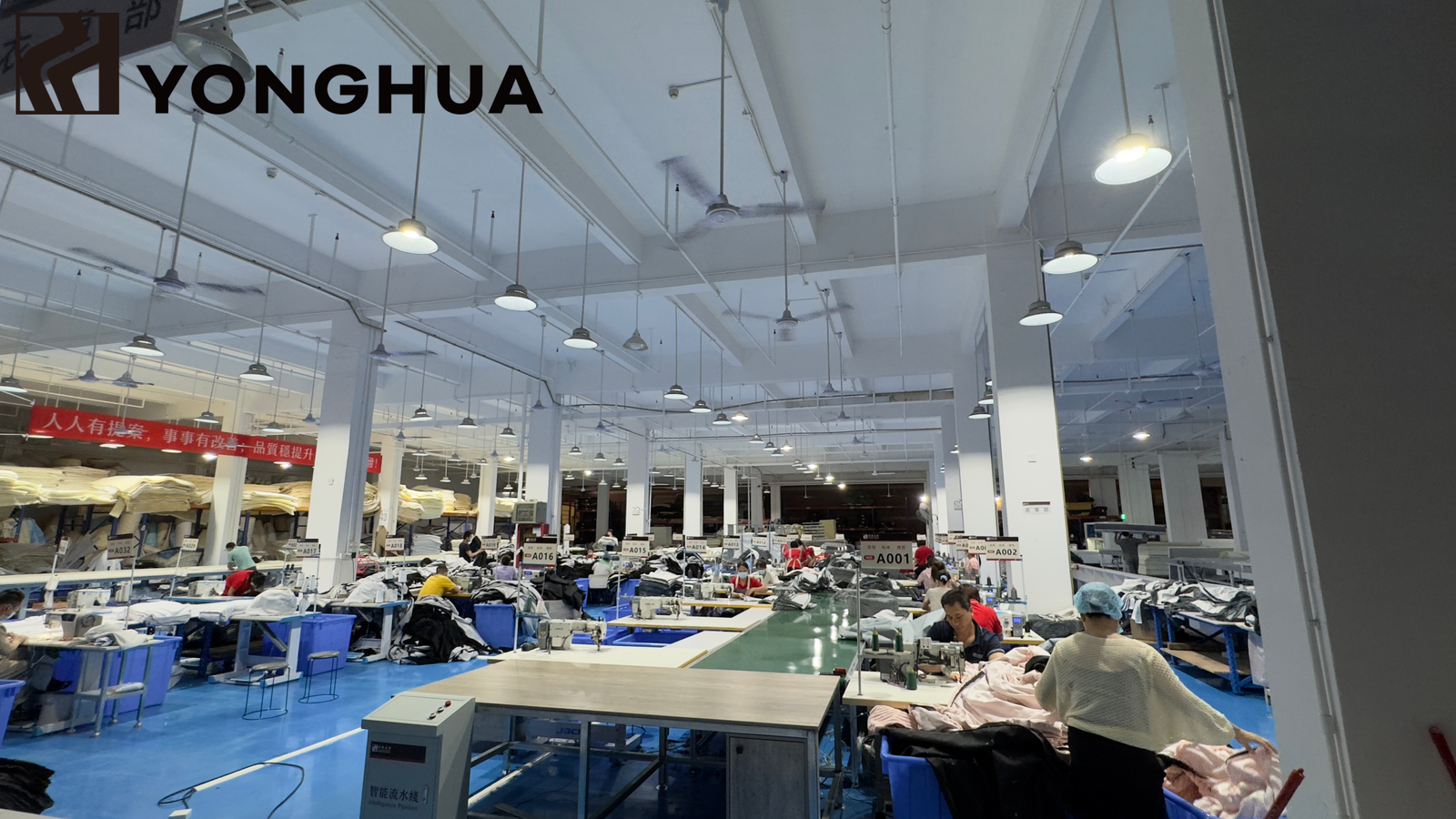
Suppliers start with flexible yet sturdy materials, build modular structures, and use precision compression machinery to vacuum-seal the final product.
Process Highlights:
- CNC cutting for exact-fit foam and frame parts
- Snap-together joints for easy setup
- Vacuum-sealing to reduce size by up to 70%
- Protective, minimal packaging
This keeps shipping easy without hurting sofa quality.
Why are compressed sofas becoming so popular?
They match today’s living and shopping habits.
Compressed sofas save space, cost less to ship, are easy to install, and fit perfectly with modern urban lifestyles.
Key Advantages:
- Lower freight costs
- Smaller carbon footprint
- Fast setup
- Easy returns and replacements
They’re especially loved by eCommerce buyers and city renters.
Who are the leading suppliers?
Top names push the innovation forward.
Brands like Zinus, IKEA, and Novogratz dominate the compressed sofa space with unique designs and strong logistics systems.
Supplier Strengths:
- Zinus: best known for compression tech and comfort layers
- IKEA: offers stylish, budget-friendly modular options
- Novogratz: bold, colorful designs for young buyers
Many use collaborations with designers or influencers to stay fresh.
What are customers saying?
Reviews are a great way to judge real-world quality.
Buyers love the easy delivery, fast setup, and surprising comfort of compressed sofas—though some mention minor wrinkles at first expansion.
Typical Feedback:
- "Opened in 5 minutes—love it!"
- "Perfect for my small apartment."
- "Great value, especially with free shipping!"
Most wrinkles smooth out within 48 hours of opening.
Are compressed sofas eco-friendly?
They’re a greener choice, for sure.
Compressed shipping means fewer trucks, less packaging waste, and a lighter carbon footprint.
Many suppliers also:
- Use FSC-certified wood
- Offer OEKO-TEX certified fabrics
- Minimize use of plastics in packaging
A smarter way to furnish greener homes.
How do prices compare?
You don’t have to sacrifice savings.
Compressed sofas usually cost 10%–30% less than traditional shipped sofas, thanks to lower logistics expenses.
General Price Ranges:
- Entry level: $250–$400
- Mid-tier: $450–$800
- Premium designs: $900–$1,500
Many sellers offer free or discounted shipping promotions.
What’s the future of compressed sofas?
More tech, more comfort.
Expect even faster expansion tech, sustainable materials, smart integration (like charging ports), and on-demand customizations.
Top suppliers are already working on:
- Faster "instant expansion" foams
- Ultra-compact shipping
- Greater modularity for reconfiguration
Compressed sofas are not a trend—they’re the next furniture standard.
Conclusion
Compressed sofas combine smart design, eco-efficiency, and modern style. Thanks to top suppliers, they’re reshaping how we buy, move, and live with our furniture.