

Understanding the lead time from compressed sofa suppliers is key for managing customer expectations and maintaining efficient inventory. Delays can impact sales and customer satisfaction.
In this article, we explore the factors influencing lead times for compressed sofa suppliers, including production processes, supplier variability, and shipping methods. We’ll also compare compressed sofas with traditional sofas in terms of lead time and provide strategies to manage expectations.
What Are Lead Times in the Compressed Sofa Industry?
Lead time refers to the period between order placement and product delivery. For compressed sofa suppliers, it involves order processing, production, compression, packaging, shipping, and final delivery.

Effective lead time management is essential for both suppliers and customers. A well-managed lead time ensures timely deliveries, helps suppliers meet demand, and prevents overstocking or stockouts.
Lead times can vary depending on several factors, such as production capacity and raw material availability. For example, custom-designed sofas may take longer to produce than standard models. Knowing these lead times allows businesses to plan better and maintain customer trust.
What Factors Affect Lead Times for Compressed Sofa Suppliers?
Several factors impact lead times for compressed sofa suppliers. Some of the key factors include production capacity, material availability, and seasonal demand fluctuations.
Understanding these factors helps businesses predict potential delays and optimize their supply chain for efficiency.
Key Factors Influencing Lead Times
| Factor | Impact on Lead Time |
|---|---|
| Production Capacity | Higher capacity means faster processing |
| Raw Material Availability | Delays in sourcing materials extend lead times |
| Seasonal Demand | Increased demand during peak seasons causes delays |
| Supplier Reliability | Consistent suppliers offer more predictable lead times |
| Logistical Challenges | Delays in transportation or customs clearance can add time |
These factors are interconnected. A reliable supplier can maintain steady production by managing inventory, ensuring high-quality materials are readily available, and effectively planning for demand spikes.
How Do Compressed Sofas Compare to Traditional Sofas in Lead Time?
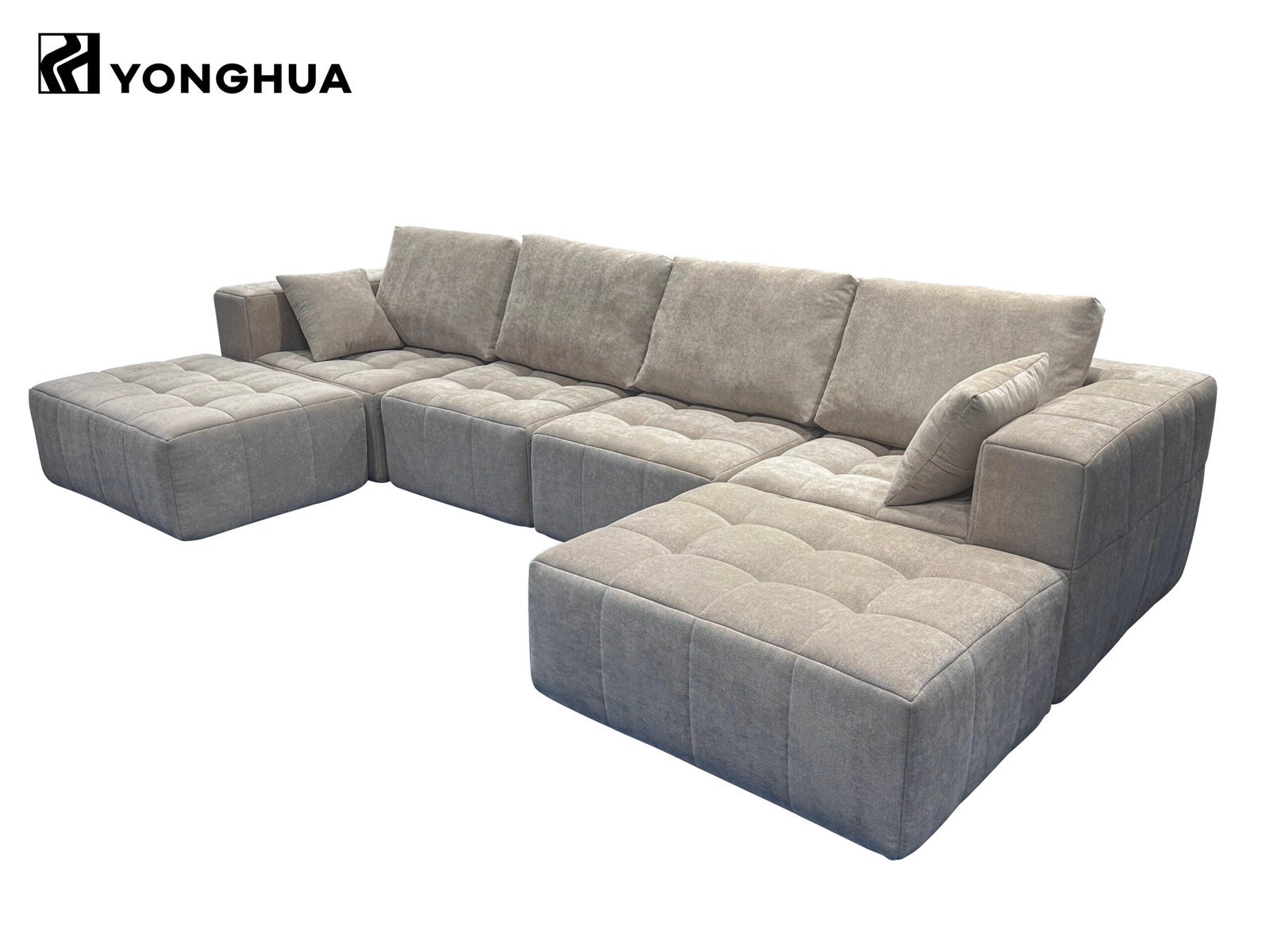
Compressed sofas generally offer shorter lead times compared to traditional sofas, thanks to their compact packaging and efficient shipping methods.
Compressed sofas are quicker to produce and ship than traditional ones, but the compression process adds some complexity.
Traditional sofas, due to their bulkier size and more complex assembly, often have longer production times. Shipping is also slower, as they require more space and special handling.
In comparison, compressed sofas require less storage space, simplifying the transportation process. However, the compression itself can add a few extra steps in production to ensure that the sofa expands correctly when unpacked.
How Does Supplier Variability Impact Lead Times?
Not all suppliers have the same lead times. Supplier efficiency, location, and business models vary, leading to different timelines.
Suppliers with advanced manufacturing processes, well-established logistics, and strategic locations often offer quicker turnaround times.
| Supplier Type | Lead Time Influence |
|---|---|
| Advanced Manufacturing | Faster processing, higher output |
| Geographic Location | Proximity to major shipping hubs reduces shipping time |
| Business Model | Make-to-order suppliers have longer lead times compared to stock-based suppliers |
If the supplier is close to major shipping hubs, their delivery time can be faster. A supplier with an efficient manufacturing process, such as one that produces their own foam or springs, may also be able to deliver on time more consistently.
How Does Order Volume Impact Lead Times?
The order volume can drastically change lead times. Large orders require more resources and coordination, which can increase lead time. Conversely, smaller orders can be processed more quickly, as they often fit into the existing production schedule.
| Order Volume | Impact on Lead Time |
|---|---|
| Large Orders | Longer lead times due to resource allocation |
| Small Orders | Faster production with fewer resources needed |
However, large orders may benefit from economies of scale. Despite longer lead times, bulk orders can sometimes have reduced per-unit costs, making them more cost-effective for both the supplier and the customer.
How Do Seasonal Trends Affect Lead Times?
Seasonal demand fluctuations can impact lead times. During peak shopping seasons, such as holidays, demand increases, leading to longer lead times due to production bottlenecks.
To manage this, businesses need to plan orders well in advance of peak seasons to avoid delays.
| Season | Impact on Lead Time |
|---|---|
| Peak Seasons (e.g., Holidays) | Longer lead times due to high demand |
| Off-Peak Seasons | Shorter lead times as demand decreases |
Planning ahead and coordinating with your supplier during off-peak periods can help mitigate seasonal delays. Communicating seasonal expectations with your supplier can also help ensure they are prepared to handle the increased demand.
How Do Shipping and Delivery Methods Affect Lead Times?
Shipping methods have a significant impact on lead times. Ground shipping, often the most cost-effective, takes longer but is suitable for domestic orders. Air shipping offers faster delivery times at a higher cost, ideal for urgent orders.
Sea shipping is the most common for international deliveries, but it requires longer lead times due to maritime transport.
| Shipping Method | Impact on Lead Time |
|---|---|
| Ground Shipping | Slower but cost-effective for domestic orders |
| Air Shipping | Faster but more expensive |
| Sea Shipping | Cost-effective for international orders but slower |
Choosing the right shipping method is crucial, especially for time-sensitive orders. Balancing cost and speed can optimize lead times and ensure timely delivery.
Why Supplier Communication Is Essential for Managing Lead Times
Clear communication with your supplier is key to managing lead times effectively. Regular updates on production schedules, material availability, and any potential delays can help you manage customer expectations.
Best practices for maintaining strong communication include:
- Setting up regular check-ins to track progress.
- Using project management tools to track order status.
- Addressing issues promptly to avoid delays.
By maintaining clear communication with your supplier, you can stay informed about any potential delays and take proactive measures to avoid disruptions.
Conclusion
Lead times for compressed sofa suppliers vary depending on factors like production capacity, raw material availability, and shipping methods. By understanding these variables and maintaining strong communication with suppliers, businesses can better manage customer expectations and optimize their supply chain.
如果你需要进一步修改或添加更多信息,请随时告诉我!