
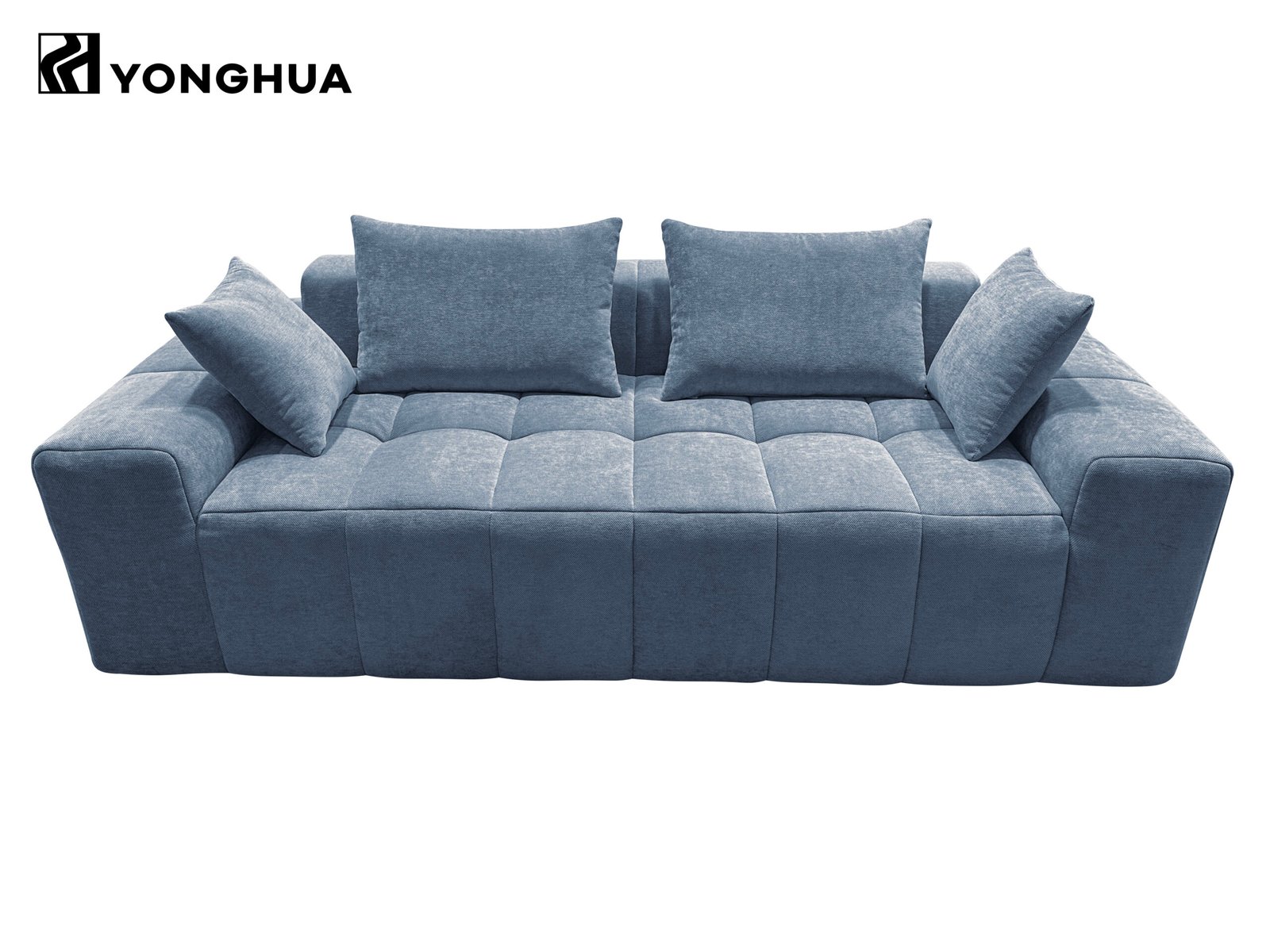
The hospitality industry is continually evolving, seeking innovative solutions to enhance guest experiences and operational efficiency. One such innovation gaining traction is the use of compressed sofas. These space-saving furnishings are designed to optimize shipping and storage, offering numerous benefits to hotels and resorts. This article explores the role of compressed sofa suppliers in the hospitality industry, delving into their design, benefits, quality, customization options, environmental impact, supplier selection, case studies, cost considerations, installation, maintenance, and future trends.
1. Introduction to Compressed Sofas
Compressed sofas are a modern marvel in furniture design, created to be compact for shipping and storage while retaining the quality and comfort of traditional sofas. These sofas are made using advanced materials such as high-density foam and durable fabrics, which can withstand the compression process. The technology behind compressed sofas involves vacuum-sealing and rolling the furniture into compact packages, significantly reducing their volume. This innovation is particularly beneficial in the hospitality industry, where space optimization is crucial.
The growing popularity of compressed sofas in hotels and resorts can be attributed to their space-saving benefits. With limited storage areas and the need for efficient room setups, compressed sofas offer a practical solution. They can be easily transported, stored, and unpacked, making them an ideal choice for hospitality businesses aiming to streamline operations and enhance guest comfort.
2. Benefits of Compressed Sofas for Hotels
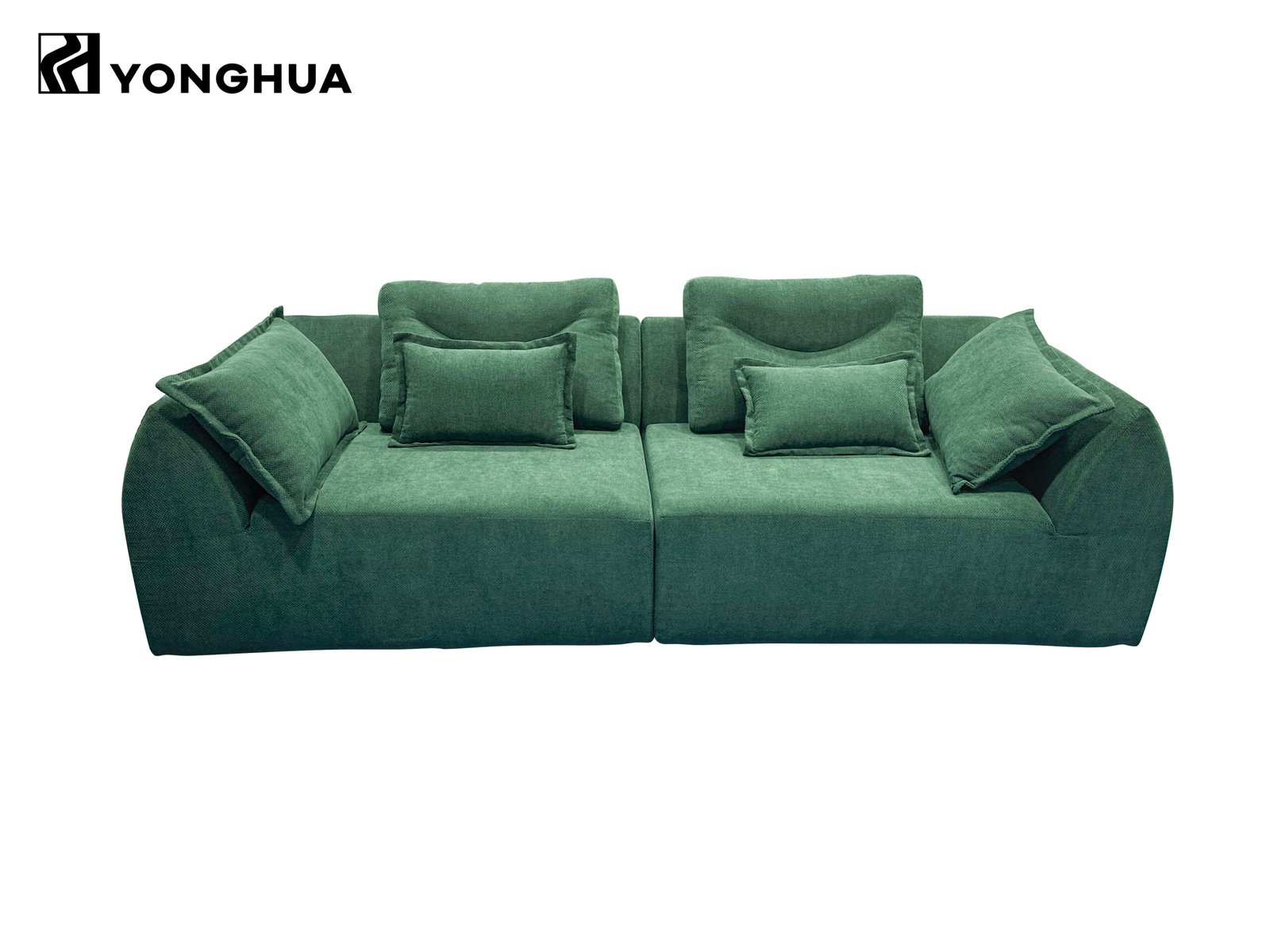
Hotels and resorts stand to gain several advantages from incorporating compressed sofas into their furnishings. One of the most significant benefits is cost savings on shipping. Traditional sofas require large packaging and substantial shipping costs, whereas compressed sofas are compact and lightweight, reducing transportation expenses. This cost efficiency extends to storage as well; compressed sofas take up less space, allowing hotels to store more inventory without expanding storage facilities.
The ease of setup is another notable benefit. Compressed sofas can be quickly unpacked and assembled, minimizing downtime and labor costs. This quick setup is particularly advantageous during peak seasons or when preparing rooms for large events. Additionally, the streamlined process ensures that guests receive a comfortable and well-furnished room promptly, enhancing overall satisfaction.
Operational efficiency is also improved through the use of compressed sofas. Hotels can manage inventory more effectively, reduce clutter in storage areas, and allocate resources more efficiently. By optimizing space and reducing setup times, hotels can focus on delivering exceptional guest experiences, ultimately boosting their reputation and profitability.
3. Quality and Durability
Despite their compact nature, compressed sofas do not compromise on quality or durability. Suppliers utilize high-quality materials and rigorous manufacturing processes to ensure that these sofas meet industry standards. High-density foam provides excellent support and comfort, while durable fabrics withstand the wear and tear of high-traffic hospitality environments.
To address concerns about longevity, suppliers often conduct extensive testing to ensure that compressed sofas can endure repeated use without compromising their structural integrity. These tests include assessing the foam’s resilience, fabric’s durability, and overall construction. As a result, compressed sofas are designed to offer the same level of comfort and durability as traditional sofas, making them suitable for hotels and resorts.
Feedback from hospitality businesses that have adopted compressed sofas has been overwhelmingly positive. Many report that these sofas maintain their shape, comfort, and appearance over time, even in busy settings. This reliability reassures hotels that investing in compressed sofas is a sound decision, both in terms of guest satisfaction and long-term value.
4. Customization Options
One of the appealing aspects of compressed sofas is the wide range of customization options available. Suppliers offer various fabrics, colors, and styles to match the aesthetic of different hospitality settings. Whether a hotel prefers a modern, minimalist look or a classic, luxurious feel, there are compressed sofa designs to suit every preference.
Customization extends beyond aesthetics; hotels can choose features such as adjustable backrests, built-in storage compartments, or convertible designs that cater to specific guest needs. These options allow hotels to create unique and functional spaces that enhance the overall guest experience.
Boutique hotels, for instance, can select bespoke designs that reflect their brand identity, while large chains can opt for standardized models that ensure consistency across multiple locations. The ability to customize compressed sofas enables hotels to maintain a cohesive and appealing interior design, contributing to a memorable guest experience.
5. Environmental Impact
Compressed sofas offer several environmental benefits, making them an eco-friendly choice for the hospitality industry. One of the primary advantages is the reduction in packaging waste. Traditional sofas require extensive packaging materials, which contribute to landfill waste. Compressed sofas, on the other hand, use minimal packaging due to their compact nature, significantly reducing waste.
Additionally, the smaller size and weight of compressed sofas result in lower carbon emissions during transportation. With fewer trucks needed to transport the same number of sofas, hotels can reduce their carbon footprint and contribute to sustainability efforts. This reduction in emissions aligns with the growing trend of eco-conscious practices in the hospitality industry.
Suppliers are also incorporating sustainable practices into their production processes. Many use eco-friendly materials, such as recycled fabrics and biodegradable packaging, to further minimize environmental impact. By choosing compressed sofas from these suppliers, hotels can demonstrate their commitment to sustainability and attract environmentally conscious guests.
6. Supplier Selection Criteria
Choosing the right compressed sofa supplier is crucial for hospitality businesses. Several criteria should be considered to ensure the selected supplier meets the hotel’s specific needs. Product quality is paramount, as high-traffic environments require durable and comfortable furniture. Hotels should look for suppliers with a proven track record of delivering high-quality products.
Reliability is another important factor. Hotels need suppliers who can consistently meet delivery schedules and provide reliable customer service. This ensures that any issues are promptly addressed and that the hotel can maintain smooth operations. It’s also important that suppliers offer comprehensive warranties and after-sales support, ensuring the furniture continues to perform optimally over time.
7. Cost Considerations
The financial impact of adopting compressed sofas is an important consideration for hotels. While compressed sofas may have a higher initial cost than traditional options, their long-term benefits—such as reduced shipping and storage costs, quick setup, and durability—often outweigh the upfront investment. Furthermore, the ability to store more units in less space allows hotels to optimize their inventories without incurring additional storage expenses.
Hotels should also factor in potential savings from reduced labor costs due to faster setup and turnaround times. Compressed sofas’ ease of maintenance and durability can contribute to a lower total cost of ownership, making them a wise investment for businesses looking to improve their bottom line while enhancing guest satisfaction.
8. Installation and Maintenance
Installation and maintenance of compressed sofas are relatively straightforward. Most compressed sofas come with clear instructions and are designed to be easily unpacked and assembled by hotel staff. Additionally, some suppliers offer professional installation services for larger orders, ensuring a hassle-free experience.
Maintenance of compressed sofas involves basic cleaning and care, similar to traditional sofas. Hotels should follow manufacturer guidelines for fabric care, foam conditioning, and regular inspection to ensure the sofas remain in optimal condition. As these sofas are built to last, maintenance costs are generally lower compared to more traditional furniture.
9. Future Trends and Innovations
As the hospitality industry continues to embrace sustainability and efficiency, the demand for compressed sofas is expected to grow. Suppliers are investing in new technologies to improve the compression process, further reducing their environmental impact. Innovations in materials, such as antimicrobial fabrics and memory foam, are also on the horizon, offering additional benefits to hospitality businesses and their guests.
Furthermore, as guest preferences evolve, suppliers may introduce more customizable and multifunctional designs. The flexibility and space-saving benefits of compressed sofas will continue to make them an appealing option for hotels and resorts seeking to stay competitive in a fast-changing market.
Conclusion
Compressed sofa suppliers play a critical role in the hospitality industry, providing innovative, cost-effective, and sustainable solutions for hotels and resorts. By offering high-quality, customizable, and environmentally friendly products, these suppliers enable businesses to optimize their operations, enhance guest experiences, and contribute to sustainability efforts. As the demand for space-efficient and eco-conscious furnishings grows, the role of compressed sofa suppliers will only become more important, helping the hospitality industry to thrive in an ever-evolving marketplace.