
The Role of Compressed Sofa Suppliers in the Furniture Supply Chain
Introduction
The furniture industry has experienced significant transformations over the years, with innovations aimed at improving efficiency, reducing costs, and enhancing customer satisfaction. One such innovation is the introduction of compressed sofas. These space-saving, cost-effective, and convenient pieces of furniture have revolutionized the way sofas are manufactured, transported, and sold. This article delves into the role of compressed sofa suppliers in the furniture supply chain, exploring their impact on various aspects of the industry, from manufacturing and logistics to customer experience and sustainability.
1. Introduction to Compressed Sofas
Compressed sofas, also known as vacuum-packed or flat-packed sofas, are designed to be compressed into a smaller, more manageable size for transportation and storage. Unlike traditional sofas, which are bulky and challenging to move, compressed sofas are engineered to be compact and lightweight. The manufacturing process involves the use of high-density foam, durable fabrics, and robust frames that can withstand the compression process without compromising on comfort or durability. Once the sofa reaches its destination, it can be easily unpacked and assembled, regaining its original shape and form.
The primary benefits of compressed sofas include significant space-saving during transportation and storage, reduced shipping costs, and enhanced convenience for consumers.

2. Importance in the Supply Chain
Compressed sofa suppliers play a crucial role in the furniture supply chain, contributing to its overall efficiency and cost-effectiveness. By providing a product that is easier and cheaper to transport, these suppliers help reduce the logistical challenges associated with traditional sofas. This, in turn, leads to lower transportation costs, faster delivery times, and a more streamlined supply chain. Additionally, compressed sofas allow furniture retailers to optimize their warehouse storage, enabling them to stock a larger variety of products without requiring additional space. This improved inventory management can lead to increased sales and customer satisfaction, as retailers can offer a wider selection of products to meet diverse consumer needs.
3. Manufacturing and Quality Control
The manufacturing process of compressed sofas involves several stages, each designed to ensure the final product meets high standards of quality and durability. The process begins with the selection of materials, including high-density foam for cushioning, durable fabrics for upholstery, and sturdy frames for structural support. Advanced compression technology is then used to reduce the size of the sofa without damaging its components. Quality control measures are implemented throughout the manufacturing process to ensure that each sofa meets the required standards for comfort, durability, and safety. These measures include rigorous testing of materials, inspection of the compression process, and evaluation of the final product.
By maintaining strict quality control, compressed sofa suppliers can guarantee that their products provide the same level of comfort and durability as traditional sofas.
4. Logistics and Transportation
One of the most significant advantages of compressed sofas is their ease of transportation. Traditional sofas are bulky and require large trucks or containers for shipping, leading to high transportation costs and increased carbon emissions. In contrast, compressed sofas can be packed into smaller boxes, allowing for more efficient use of space during shipping. This not only reduces transportation costs but also minimizes the environmental impact of shipping.
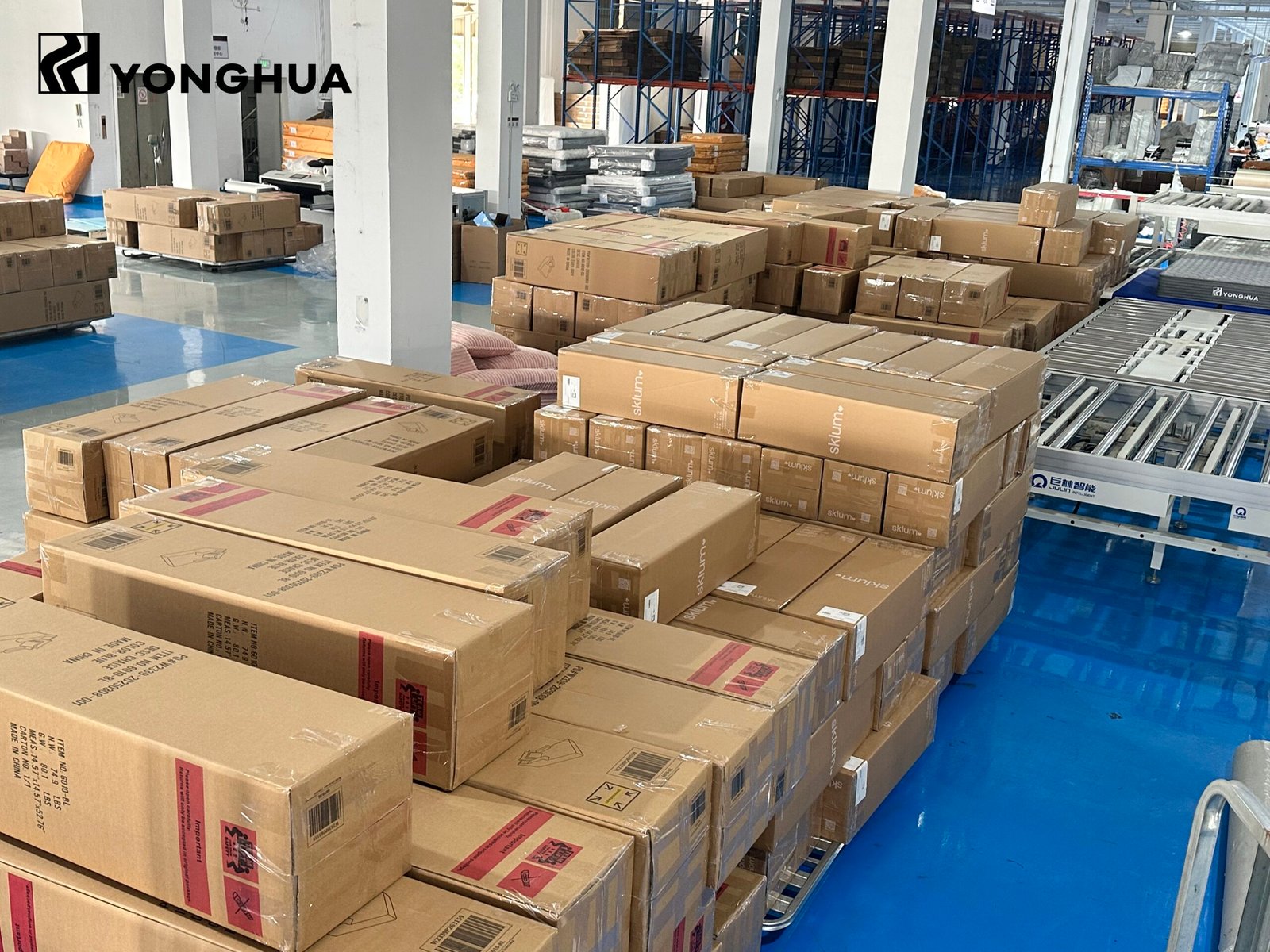
The logistics involved in transporting compressed sofas include careful packaging to ensure the product remains protected during transit, selection of appropriate shipping methods to optimize cost and efficiency, and coordination with logistics partners to ensure timely delivery. By simplifying the transportation process, compressed sofa suppliers help reduce the overall cost and environmental footprint of the furniture supply chain.
5. Warehouse and Storage Solutions
Warehouse storage is a critical aspect of the furniture supply chain, and compressed sofas offer significant benefits in this area. Traditional sofas take up considerable space in warehouses, limiting the number of products that can be stored and increasing storage costs. Compressed sofas, on the other hand, can be stacked and stored in a compact form, maximizing the use of available space. This space-saving benefit allows furniture retailers to maintain larger inventories without the need for additional storage facilities.
Improved inventory management also means that retailers can respond more quickly to customer demand, reducing lead times and enhancing customer satisfaction. By optimizing warehouse storage, compressed sofa suppliers contribute to a more efficient and cost-effective supply chain.
6. Distribution Channels
The distribution channels for compressed sofas are diverse, including direct-to-consumer models, partnerships with furniture retailers, and online marketplaces. Direct-to-consumer models involve selling sofas directly to customers through company websites or physical stores, bypassing traditional retail channels. This approach allows suppliers to offer competitive prices and maintain control over the customer experience.
Partnerships with furniture retailers involve supplying compressed sofas to brick-and-mortar stores, where customers can see and test the products before making a purchase. Online marketplaces, such as Amazon and Wayfair, provide a platform for suppliers to reach a broader audience and offer their products to customers across different regions. Each distribution channel has its advantages, and by leveraging a combination of these channels, compressed sofa suppliers can maximize their market reach and accessibility.
7. Impact on Retailers
Retailers who source from compressed sofa suppliers enjoy several benefits, including reduced shipping and storage costs, quicker turnaround times, and the ability to offer a wider range of products. The compact nature of compressed sofas allows retailers to stock more models in the same space, increasing their product variety and catering to a broader range of customer preferences.
Moreover, retailers benefit from the faster delivery times associated with compressed sofas. The reduced volume of these sofas means they can be shipped in larger quantities, and the shipping process is more efficient, which translates to quicker restocking and inventory turnover. These advantages improve overall operational efficiency and contribute to higher sales and customer satisfaction.
8. Sustainability and Environmental Considerations
Sustainability has become a key factor in the furniture industry, and compressed sofa suppliers are increasingly adopting eco-friendly practices. The compact design of compressed sofas not only saves space but also reduces packaging waste and carbon emissions. The smaller packaging enables more efficient use of transportation resources, allowing for fewer shipments and lower fuel consumption.
Additionally, many compressed sofa manufacturers are incorporating sustainable materials, such as recycled fabrics and eco-friendly foams, to reduce the environmental impact of production. By embracing sustainable practices, suppliers contribute to the growing demand for environmentally responsible products and appeal to eco-conscious consumers.
9. Conclusion
Compressed sofa suppliers play an essential role in optimizing the efficiency, cost-effectiveness, and sustainability of the furniture supply chain. From manufacturing and logistics to distribution and customer satisfaction, these suppliers contribute significantly to the success of the industry. By offering space-saving, durable, and affordable products, they address the growing need for convenient furniture solutions in a rapidly changing world. As consumer preferences continue to evolve, compressed sofas will remain an integral part of the furniture supply chain, providing a practical and sustainable solution for modern living spaces.