
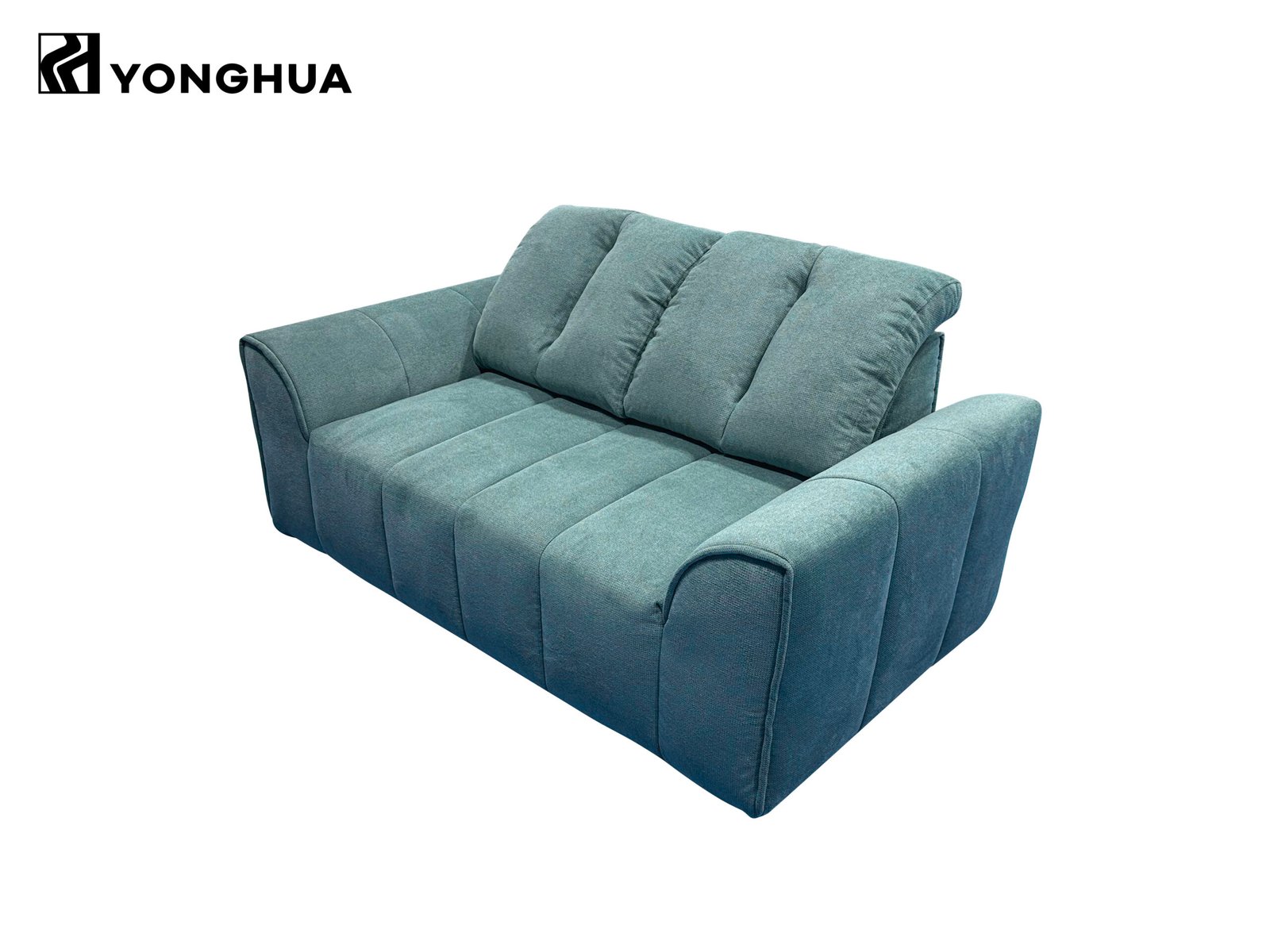
In a world where efficiency and smart logistics are key to success, compressed sofas are reshaping the global furniture trade faster than ever.
Compressed sofa suppliers have transformed global furniture trade by offering space-saving, cost-efficient, and eco-friendly alternatives to traditional bulky sofas, responding to evolving consumer needs and logistics challenges.
The following article will explore what compressed sofas are, why they are gaining traction, the role of suppliers, and how this trend is shaping the future of furniture trading.
What are Compressed Sofas and Why Are They Trending?
In today’s fast-paced life, traditional bulky furniture is losing favor. Compressed sofas, on the other hand, are winning hearts.
Compressed sofas are designed to be vacuum-sealed or tightly packed, significantly reducing their size for transport, and expanding to full form after unpacking, providing full comfort without logistical headaches.
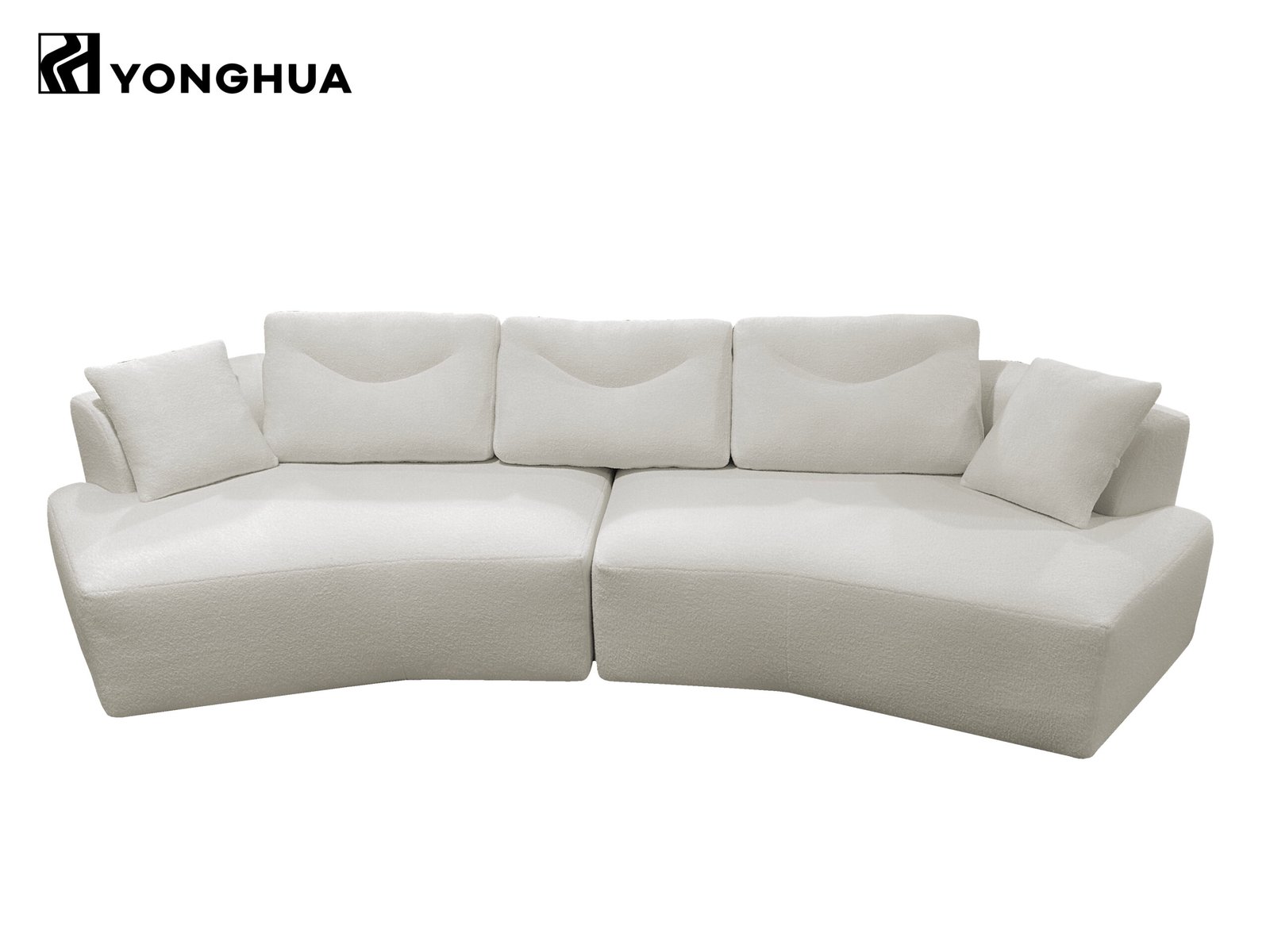
Compressed sofas fit into smaller packages, making transportation cheaper and faster. This practical approach caters especially to urban dwellers living in apartments and small homes. Additionally, the rise of e-commerce and online furniture buying has made compact, easy-to-ship products more attractive than ever.
Materials and Manufacturing: The Foundation of Compressed Sofas
Behind every good compressed sofa is the right material and smart production.
- Foam: High-density memory foam or polyurethane foam ensures that the sofa returns to shape after unpacking.
- Fabric: Durable and stretchable fabrics like polyester blends or microfiber withstand compression without tearing.
- Frames: Lightweight yet sturdy materials like engineered wood or reinforced steel frames maintain structural integrity.
Manufacturers employ advanced compression techniques and rigorous quality control standards to ensure each sofa withstands storage and transit without compromising comfort or durability.
Key Technological Advances Driving Growth
Several innovations have propelled the compressed sofa boom:
- Vacuum Sealing Machines
- Smart Modular Designs
- Innovative Packaging Materials
- Automation in Sofa Assembly and Compression
Thanks to these technologies, compressed sofas can now be manufactured faster, with consistent quality and lower environmental impact.
How Compressed Sofa Suppliers Are Shaping Global Trade?
Global furniture trade is no longer about size; it’s about how small you can go without losing comfort.
Compressed sofa suppliers are redefining global furniture logistics by reducing shipping costs, accelerating delivery speeds, and expanding accessibility across continents.
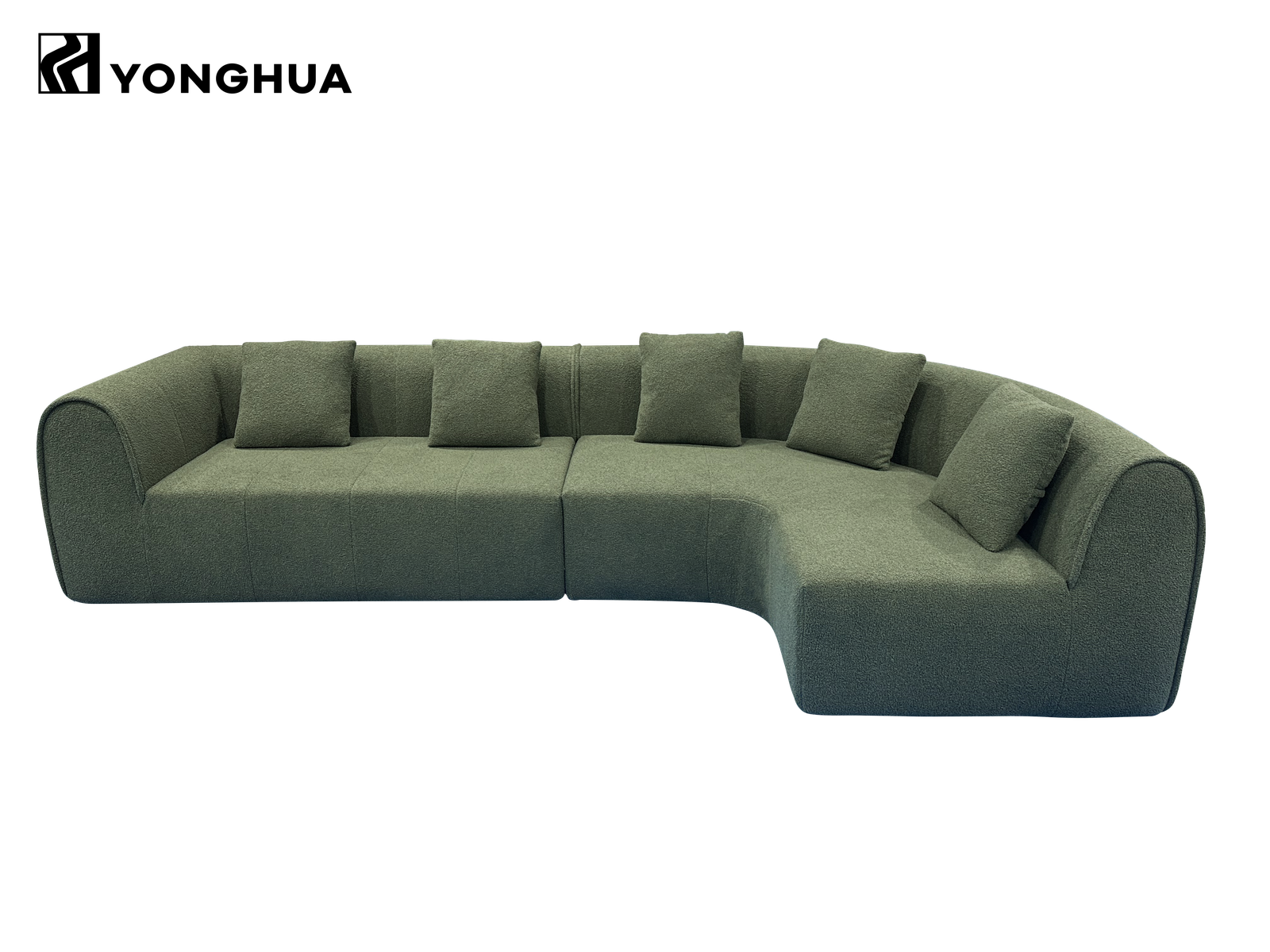
Benefits for Global Furniture Trade
| Benefit | Description |
|---|---|
| Lower Shipping Costs | More units per container save transportation costs |
| Faster Customs Clearance | Compact packaging speeds up processing |
| Easier Last-Mile Delivery | Smaller packages fit standard elevators and narrow doorways |
| Broader Market Access | Easier shipping enables expansion to new regions |
Impact on Import/Export Dynamics
Because compressed sofas ship efficiently, exporters in China, Vietnam, Poland, and Mexico are penetrating markets like North America, Europe, and Southeast Asia with unprecedented ease. Meanwhile, importers enjoy lower costs and reduced logistical risks.
Top Countries and Suppliers Leading the Trend
Several countries and companies stand out in the compressed sofa market:
- China: Leading exporter, with companies like Yonghua Compress Sofa Master setting global benchmarks.
- Vietnam: Rapidly growing supplier base, competitive labor costs.
- Poland: High-quality production targeting European markets.
- USA: Big brands like Zinus, Novogratz leveraging compressed models for e-commerce dominance.
Top suppliers differentiate themselves with consistent quality control, design innovation, and eco-friendly practices.
Environmental and Sustainability Factors
Sustainability is no longer optional. Compressed sofa suppliers play a vital role in making furniture greener.
Compressed sofas reduce carbon footprints by optimizing container space, requiring fewer shipments, and encouraging the use of recycled materials.
Some eco-friendly practices include:
- Using recycled foams and fabrics
- Reducing packaging waste with recyclable materials
- Investing in green logistics solutions
These steps align compressed sofa brands with environmentally conscious consumers, boosting brand loyalty.
Challenges Faced by Compressed Sofa Suppliers
Of course, no innovation comes without its hurdles.
| Challenge | Description |
|---|---|
| Maintaining Quality Post-Compression | Ensuring comfort and durability after shipping |
| Managing Return Rates | Damaged items or unmet customer expectations |
| Navigating International Regulations | Complying with diverse safety and environmental standards |
Suppliers must constantly innovate and tighten their quality assurance to overcome these challenges and scale successfully.
The Future of Compressed Sofas in Global Trade
The future looks bright for compressed sofas. Trends that will shape the next few years include:
- Expansion into Luxury Segments: High-end designs using sustainable luxury materials.
- Automation and AI: Smarter factories and faster production times.
- Deeper E-Commerce Integration: VR and AR for better online shopping experiences.
The demand for practical, sustainable, and stylish furniture is growing, and compressed sofas are perfectly positioned to meet it.
Conclusion
Compressed sofa suppliers are changing the rules of global furniture trade by combining smart engineering, efficient logistics, and customer-centric designs. As space becomes a premium commodity and sustainability concerns grow, compressed sofas are not just a trend—they are the future.
Brand: Yonghua Compress Sofa Master
Website: https://compresssofayh.com/
Mission: Helping businesses and consumers embrace smarter, more efficient furniture solutions worldwide.