
Sofas are an essential part of any living space, providing comfort, style, and functionality. The process of creating a high-quality sofa involves several intricate steps, beginning with the selection of raw materials and culminating in customer service and after-sales support. This article delves into the comprehensive journey of sofa manufacturing, highlighting the importance of each phase, from raw material sourcing to logistics and distribution. By understanding these steps, consumers can appreciate the craftsmanship and dedication that go into producing a durable and comfortable sofa.
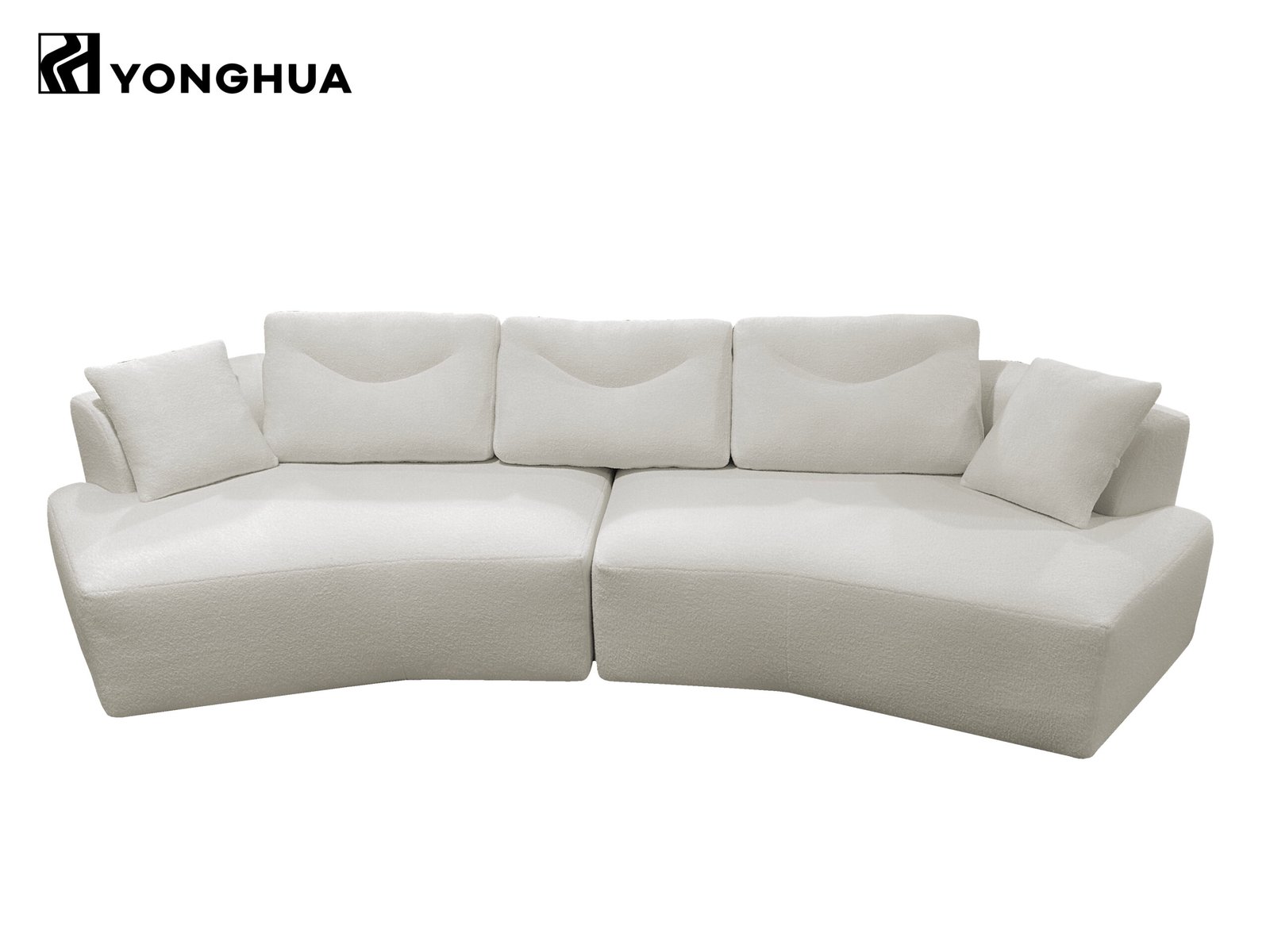
Raw Material Sourcing
The foundation of a high-quality sofa lies in the careful selection and procurement of raw materials. This process begins with sourcing sustainable and durable materials such as wood for the frame, foam for cushioning, and fabric for upholstery. The choice of wood is crucial, as it determines the strength and longevity of the sofa’s frame. Hardwood varieties like oak, maple, and birch are preferred for their robustness and resistance to wear and tear. Sustainable sourcing practices ensure that the wood is harvested responsibly, minimizing environmental impact.
Foam is another critical component, providing the cushioning that makes a sofa comfortable. High-density foam is often chosen for its durability and ability to retain shape over time. Additionally, memory foam or gel-infused foam can be used to enhance comfort and support. Fabric selection is equally important, with options ranging from natural fibers like cotton and linen to synthetic materials like polyester and microfiber. The fabric must be durable, easy to clean, and aesthetically pleasing. By prioritizing high-quality materials, manufacturers can create sofas that offer both comfort and longevity.
Design and Prototyping
The design phase is where creativity and functionality come together to create sofa models that are both ergonomic and visually appealing. Collaboration with designers is essential to develop concepts that meet consumer preferences and industry trends. Designers consider various factors, including the sofa’s shape, size, and style, as well as the intended use and target market. Ergonomics play a significant role in ensuring that the sofa provides proper support and comfort.
Once the initial designs are finalized, the prototyping process begins. Prototypes are built to test the feasibility of the design and to identify any potential issues. These prototypes undergo rigorous testing for comfort, durability, and functionality. Feedback from these tests is used to refine the design, ensuring that the final product meets high standards of quality and performance. The prototyping phase is crucial for identifying and addressing any flaws before mass production begins.
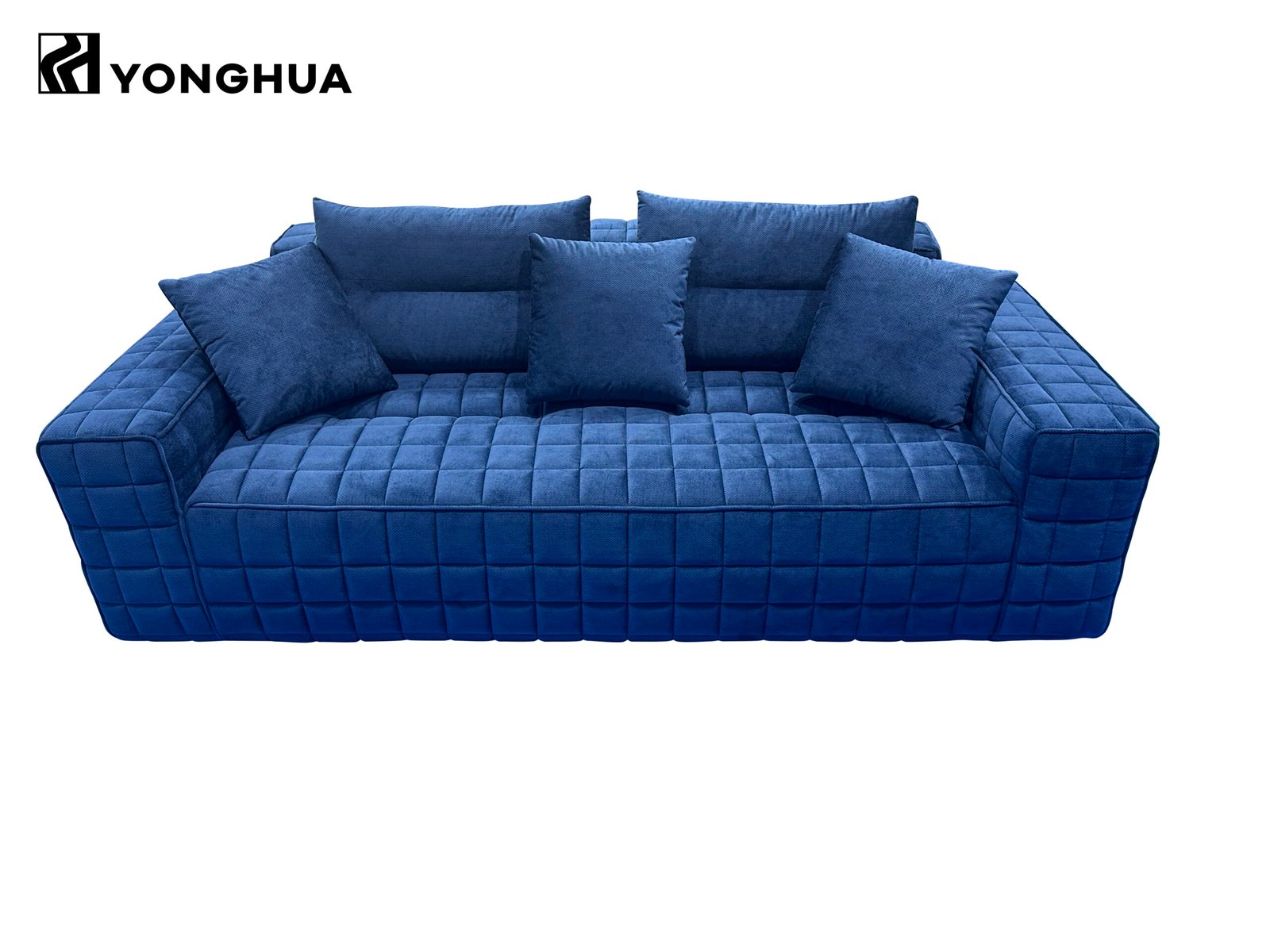
Frame Construction
The construction of the sofa frame is a meticulous process that requires precision and attention to detail. The wood or metal components are carefully cut to size, ensuring that each piece fits together perfectly. Skilled craftsmen assemble the frame, using techniques such as doweling, mortise and tenon joints, and screws to create a sturdy foundation. Reinforcements are added to areas that bear the most weight, such as the corners and legs, to enhance stability and durability.
Quality control is paramount during this phase, as any imperfections in the frame can compromise the overall integrity of the sofa. Each frame is inspected for defects, and adjustments are made as necessary. By prioritizing precision and quality control, manufacturers can ensure that the frame provides a solid and reliable foundation for the sofa.
Cushion and Padding Production
Producing the cushions and padding involves several steps to ensure optimal comfort and support. Foam is cut to size, with different densities used to create layers that provide varying levels of firmness. High-density foam is often used for the core, while softer foams are added to the outer layers for a plush feel. The foam is then encased in a protective cover to prevent wear and tear.
Special treatments and technologies can be applied to enhance the cushioning. For example, memory foam can be used to create cushions that conform to the body’s shape, providing personalized support. Gel-infused foam can help regulate temperature, keeping the sofa cool and comfortable. Ensuring even distribution of materials is crucial to prevent sagging and maintain the sofa’s shape over time.
Upholstery Cutting and Sewing
The cutting and sewing of upholstery fabric is a precise and intricate process. Pattern making involves creating templates that guide the cutting of fabric pieces to ensure a perfect fit. Fabric selection is based on factors such as durability, ease of maintenance, and aesthetic appeal. Once the fabric is chosen, it is cut according to the patterns, with careful attention to detail to avoid any mistakes.
Skilled seamstresses sew the fabric pieces together using techniques such as double stitching and serging to create strong and durable seams. Accuracy in cutting and sewing is essential to achieve a professional finish and ensure that the upholstery fits the frame perfectly. By prioritizing precision and craftsmanship, manufacturers can create sofas that are both visually appealing and built to last.
Frame Upholstering
Attaching the upholstery to the frame is a critical step in the sofa manufacturing process. The fabric is stretched over the frame and secured using adhesives, staples, and other fastening methods. This process requires skill and attention to detail to ensure a smooth, wrinkle-free appearance. The fabric must be perfectly aligned, and additional padding may be added to improve the sofa’s comfort and appearance.
The goal is to create a seamless, polished look that complements the overall design of the sofa. This step is crucial in giving the sofa its final shape and ensuring that it is not only visually pleasing but also comfortable to sit on.
Quality Control and Testing
Quality control is implemented at various stages of the manufacturing process to ensure that the final product meets high standards. Each component of the sofa, from the frame to the upholstery, undergoes rigorous testing. The frame is inspected for structural integrity, the foam is checked for consistency and durability, and the upholstery is examined for any defects in stitching or material quality.
Once assembled, the finished sofa is tested for comfort, durability, and functionality. This may include stress tests to evaluate the strength of the frame, seating comfort tests to ensure the cushions provide adequate support, and visual inspections to check the overall aesthetic. By ensuring that each sofa passes these tests, manufacturers can guarantee that their products will provide long-lasting comfort and reliability.
Final Inspection and Packaging
After passing all quality control measures, the sofa undergoes a final inspection before being packaged for shipment. This inspection checks for any remaining imperfections and ensures that the sofa is in perfect condition. Once cleared, the sofa is carefully packaged to prevent any damage during transport. The packaging is designed to protect the sofa from scratches, tears, and other forms of damage while it is being transported to the consumer.
The final product is now ready for delivery, ensuring that it reaches the customer in top condition and meets all expectations for quality and comfort.
Conclusion
The journey of sofa manufacturing involves several carefully coordinated steps, from sourcing high-quality materials to the final stages of packaging and distribution. By understanding these processes, consumers can gain a deeper appreciation for the craftsmanship that goes into creating a comfortable and durable sofa. Through attention to detail, innovative designs, and rigorous quality control, manufacturers ensure that every sofa meets the highest standards, providing consumers with a product that not only enhances their living space but also offers long-lasting comfort and support.
如果您有其他问题或需要进一步的修改,请告诉我!