
The Evolution of Compressed Sofas: Materials and Innovations
In recent years, compressed sofas have revolutionized the furniture industry by offering convenient, space-saving solutions without compromising on comfort or style. These sofas, shipped in compact boxes and expanding upon unpacking, have become increasingly popular among consumers seeking modern, affordable, and durable furniture options. This article delves into the various materials and technologies that contribute to the quality and functionality of compressed sofas, highlighting ten key components: high-density foam, memory foam, polyester fabric, microfiber, leather and faux leather, plywood and engineered wood, metal frames, pocket springs, polyurethane foam, and recycled materials.
High-Density Foam
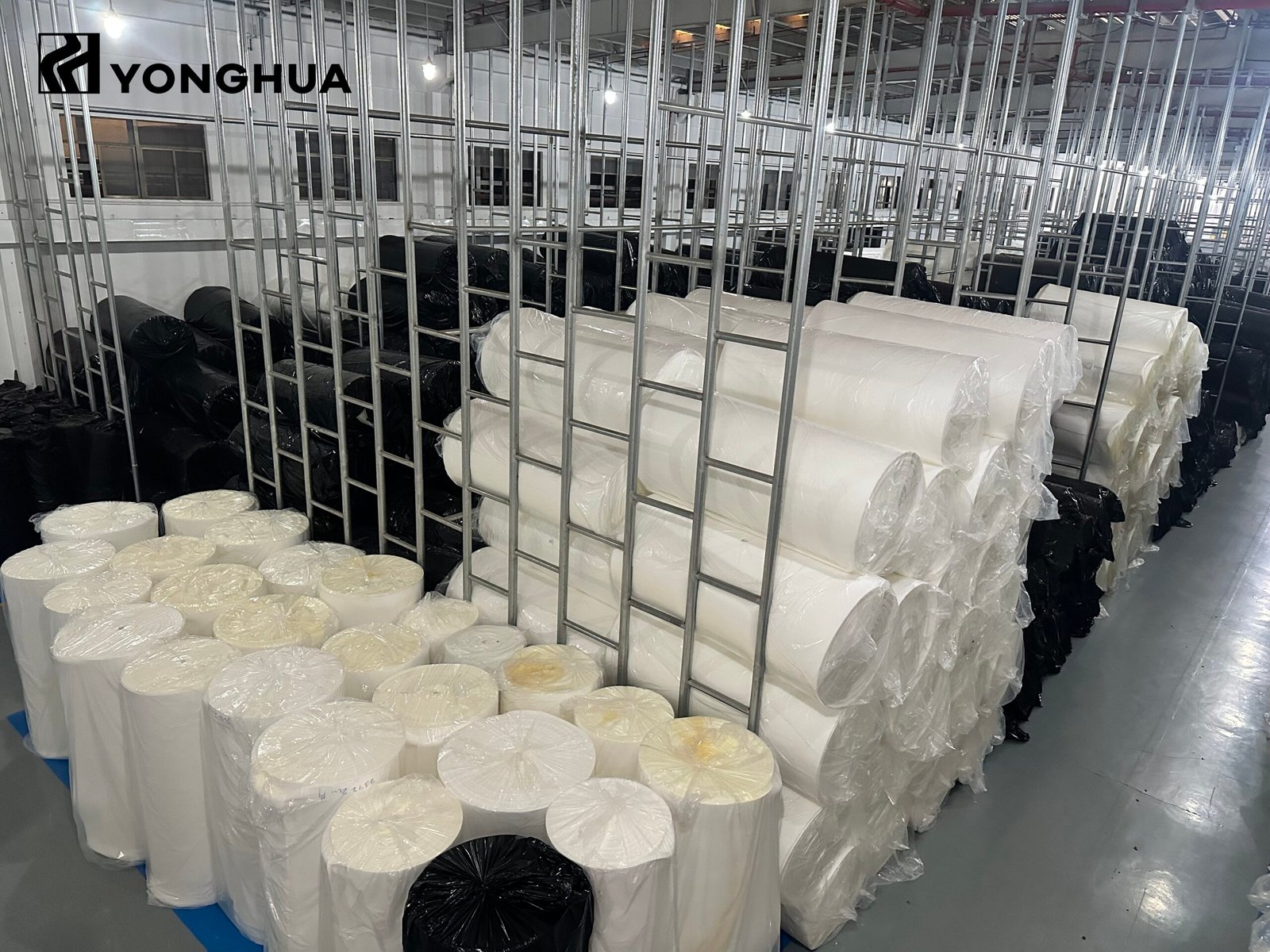
High-density foam is a critical component in the construction of compressed sofas, known for its exceptional durability and comfort. Unlike lower-density foams that tend to break down and lose their shape over time, high-density foam retains its structure, providing consistent support for years. This type of foam is essential for creating a supportive seating experience, as it can withstand daily use without sagging or becoming misshapen.
The durability of high-density foam makes it ideal for compressed sofas, which need to maintain their form after being vacuum-sealed and shipped. Upon unpacking, the foam quickly expands to its intended shape, ensuring that the sofa is ready for immediate use. Additionally, high-density foam offers a firm yet comfortable seating surface, catering to various preferences and body types. Its ability to distribute weight evenly helps prevent pressure points, making it a popular choice for both casual lounging and extended periods of sitting.
Memory Foam
Memory foam has gained widespread acclaim for its ability to contour to the body, providing personalized comfort and support. In sofa construction, memory foam enhances the overall user experience by adapting to the unique shape and weight of each individual. This results in a customized seating experience that reduces discomfort and promotes relaxation.
One of the standout features of memory foam is its ability to relieve pressure points, which is particularly beneficial for individuals with back or joint pain. By evenly distributing weight, memory foam minimizes stress on the body, allowing for a more comfortable and restful sitting experience. Furthermore, memory foam’s responsiveness ensures that it quickly returns to its original shape after use, maintaining the sofa’s appearance and functionality over time.
The incorporation of memory foam in compressed sofas adds a layer of luxury and comfort, making them an attractive option for consumers seeking high-quality, supportive furniture. Its ability to enhance the overall user experience sets memory foam apart as a valuable material in modern sofa design.
Polyester Fabric
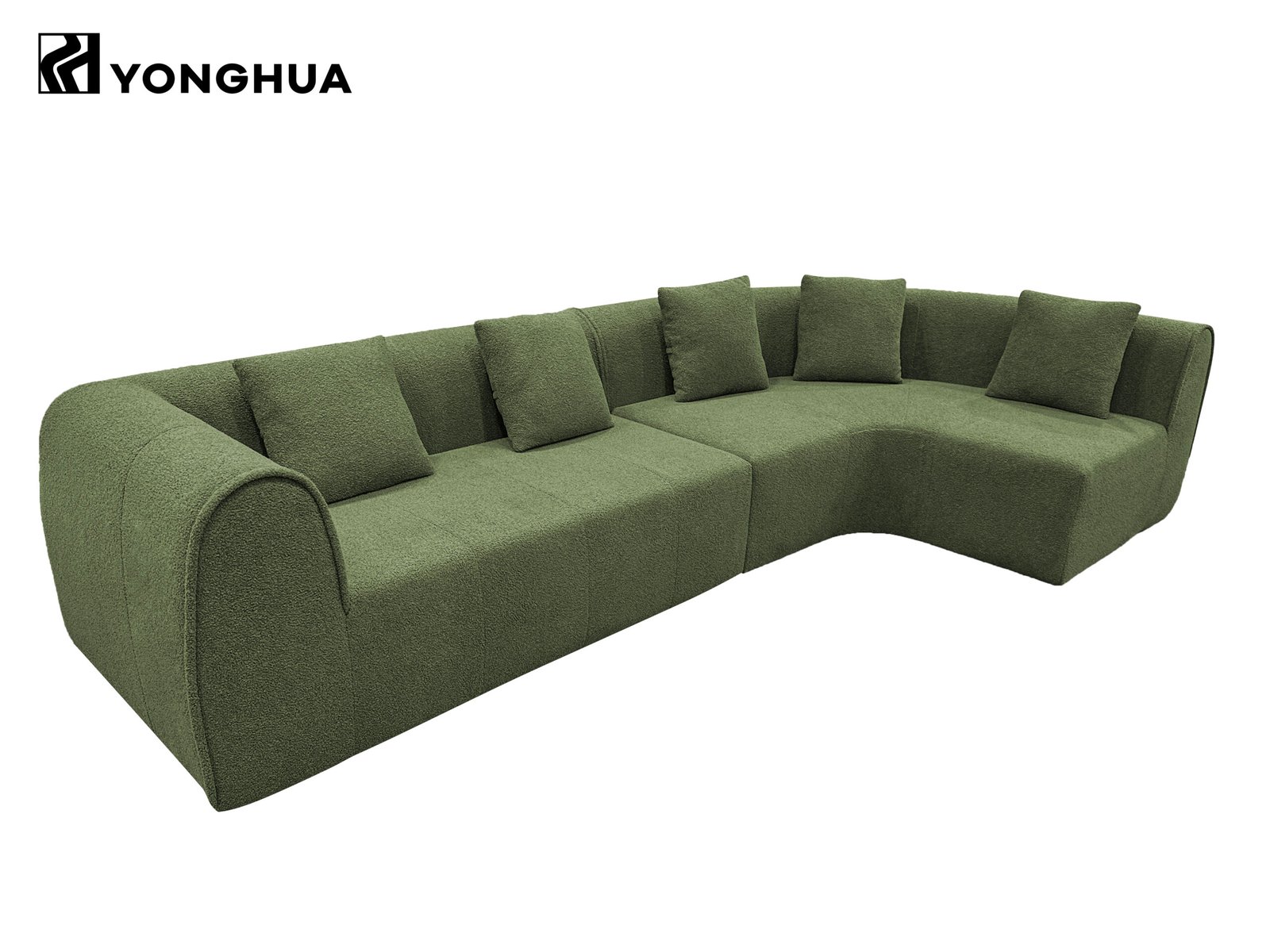
Polyester fabric is a popular choice among compressed sofa suppliers due to its affordability, durability, and ease of cleaning. This synthetic material offers a range of benefits that make it ideal for upholstery, including resistance to stains, fading, and wear. Polyester’s low cost also makes it an attractive option for consumers looking for budget-friendly furniture without sacrificing quality.
One of the key advantages of polyester fabric is its versatility in terms of finishes and textures. It can be manufactured to mimic the look and feel of natural fibers, such as cotton or linen, while offering superior durability and ease of maintenance. This allows consumers to choose from a variety of aesthetic options to match their personal style and home decor.
Polyester’s low-maintenance nature is another significant benefit, as it can be easily cleaned with mild soap and water. This makes it an ideal choice for households with children or pets, where spills and stains are more likely to occur. The combination of affordability, durability, and ease of cleaning has solidified polyester fabric as a top choice for compressed sofa upholstery.
Microfiber
Microfiber is another highly regarded material for sofa upholstery, known for its softness, stain resistance, and ease of maintenance. Made from ultra-fine synthetic fibers, microfiber offers a luxurious feel that rivals natural materials while providing enhanced durability and practicality.
One of the primary advantages of microfiber is its stain resistance. The tightly woven fibers create a barrier that repels liquids, making it easier to clean up spills before they can penetrate the fabric. This feature is particularly beneficial for families with children or pets, where accidents are more common. Additionally, microfiber’s smooth surface resists dust and allergens, contributing to a healthier indoor environment.
Microfiber’s softness and comfort make it a popular choice for sofa upholstery, providing a cozy and inviting seating experience. Its durability ensures that it can withstand daily use without showing signs of wear, making it a long-lasting option for busy households. The combination of softness, stain resistance, and ease of maintenance makes microfiber a preferred material for many compressed sofa manufacturers and consumers.
Leather and Faux Leather
When it comes to sofa upholstery, leather and faux leather are two popular options that offer distinct advantages. Genuine leather is renowned for its durability, luxurious appearance, and ability to develop a rich patina over time. However, it comes with a higher price tag and requires regular maintenance to keep it looking its best.
Faux leather, on the other hand, offers a more affordable and ethical alternative to genuine leather. Made from synthetic materials, faux leather mimics the look and feel of real leather without the associated cost and environmental impact. It is easy to clean and maintain, making it a practical choice for households that want the luxurious look of leather without the upkeep.
Both leather and faux leather provide a sleek, sophisticated aesthetic and are known for their durability and resistance to wear and tear. They are often chosen for high-end designs and offer a timeless appeal, making them an attractive option for those looking for elegance and durability in their compressed sofas.
Plywood and Engineered Wood
The frame of a compressed sofa plays a critical role in its overall durability and stability. Plywood and engineered wood are commonly used materials for sofa frames due to their strength and flexibility. Engineered wood, such as MDF (Medium Density Fiberboard) and plywood, is known for its ability to provide solid structural support while being lightweight enough to reduce shipping costs.
Plywood, made from layers of thin wood veneers glued together, is a durable and cost-effective choice for sofa frames. It is resistant to warping and can withstand the pressure exerted by users. Engineered wood materials are also more sustainable than solid wood, as they make efficient use of raw materials. They provide the same level of durability and strength as traditional wood, ensuring that the sofa remains stable and functional for years to come.
Metal Frames
Some compressed sofas use metal frames, particularly those designed for sectional or recliner sofas. Metal is a strong, lightweight material that offers superior structural support. Steel or aluminum frames are commonly used due to their robustness and resistance to wear. These frames can support the weight of the sofa without compromising its stability, ensuring long-lasting durability.
Metal frames are often used in combination with foam and upholstery to create a sofa that is both lightweight and strong. The use of metal also allows for more innovative and modern designs, with sleek, minimalist frames that complement contemporary furniture styles.
Pocket Springs
Pocket springs are an advanced component often found in higher-end compressed sofas. These springs are individually wrapped in fabric pockets, allowing them to move independently and provide targeted support. Pocket springs enhance comfort by evenly distributing weight and reducing pressure points, making them ideal for long-term sitting.
The use of pocket springs in compressed sofas adds an extra layer of comfort and support. These springs conform to the body’s contours, providing personalized cushioning. Their ability to reduce motion transfer is another benefit, ensuring that movement on one side of the sofa doesn’t disturb the other side.
Polyurethane Foam
Polyurethane foam is another key material used in compressed sofas, offering flexibility, comfort, and durability. This foam is commonly used in cushioning layers and provides a supportive base for sitting. It is often combined with memory foam or high-density foam to create a layered effect that enhances the sofa’s comfort and performance.
Polyurethane foam is lightweight, which helps keep the overall weight of the compressed sofa down. It also maintains its shape well over time, ensuring that the sofa retains its original form even with prolonged use. Its affordability and versatility make it a popular choice among compressed sofa manufacturers.
Recycled Materials
As sustainability becomes more important to consumers, compressed sofa suppliers are increasingly incorporating recycled materials into their designs. Recycled fabrics, foams, and even wood are being used to create sofas that are both eco-friendly and durable. By using recycled materials, manufacturers reduce their environmental impact and appeal to environmentally conscious buyers.
Incorporating recycled materials into the production of compressed sofas allows suppliers to contribute to a more sustainable future while offering high-quality products. These materials help create sofas that are both functional and environmentally responsible, providing a perfect solution for eco-conscious consumers.
In conclusion, the evolution of compressed sofas has been shaped by advancements in materials and construction techniques. From high-density foam and memory foam to durable fabrics and eco-friendly materials, these innovations have made compressed sofas a popular choice for modern consumers. By combining comfort, durability, and sustainability, manufacturers continue to meet the growing demand for space-saving and functional furniture.