
The Impact of Compressed Sofa Suppliers on Furniture Retail
The furniture retail industry is witnessing a significant transformation with the advent of compressed sofa suppliers. These suppliers offer a unique approach to furniture delivery by reducing the volume of sofas during shipping, which presents numerous advantages for retailers and consumers alike. This article explores the multifaceted impact of compressed sofa suppliers on furniture retail, including cost efficiency, storage management, environmental benefits, consumer convenience, product quality, market competition, brand perception, assembly ease, supplier relationships, and market adaptation.
Cost Efficiency for Retailers
One of the primary benefits of compressed sofa suppliers is the cost efficiency they offer to retailers. Traditional sofas occupy substantial space during transportation, leading to higher shipping costs. Compressed sofas, on the other hand, are designed to minimize volume, allowing more units to be transported in a single shipment. This reduction in volume translates to lower shipping costs, which can significantly reduce the overall expenses for retailers.
The savings on transportation expenses can be substantial, especially for retailers who operate on a large scale. By lowering shipping costs, retailers can improve their profit margins or choose to pass these savings on to consumers through competitive pricing. This cost efficiency not only benefits the retailers’ bottom line but also enhances their ability to offer attractive prices to customers, potentially increasing sales and market share.
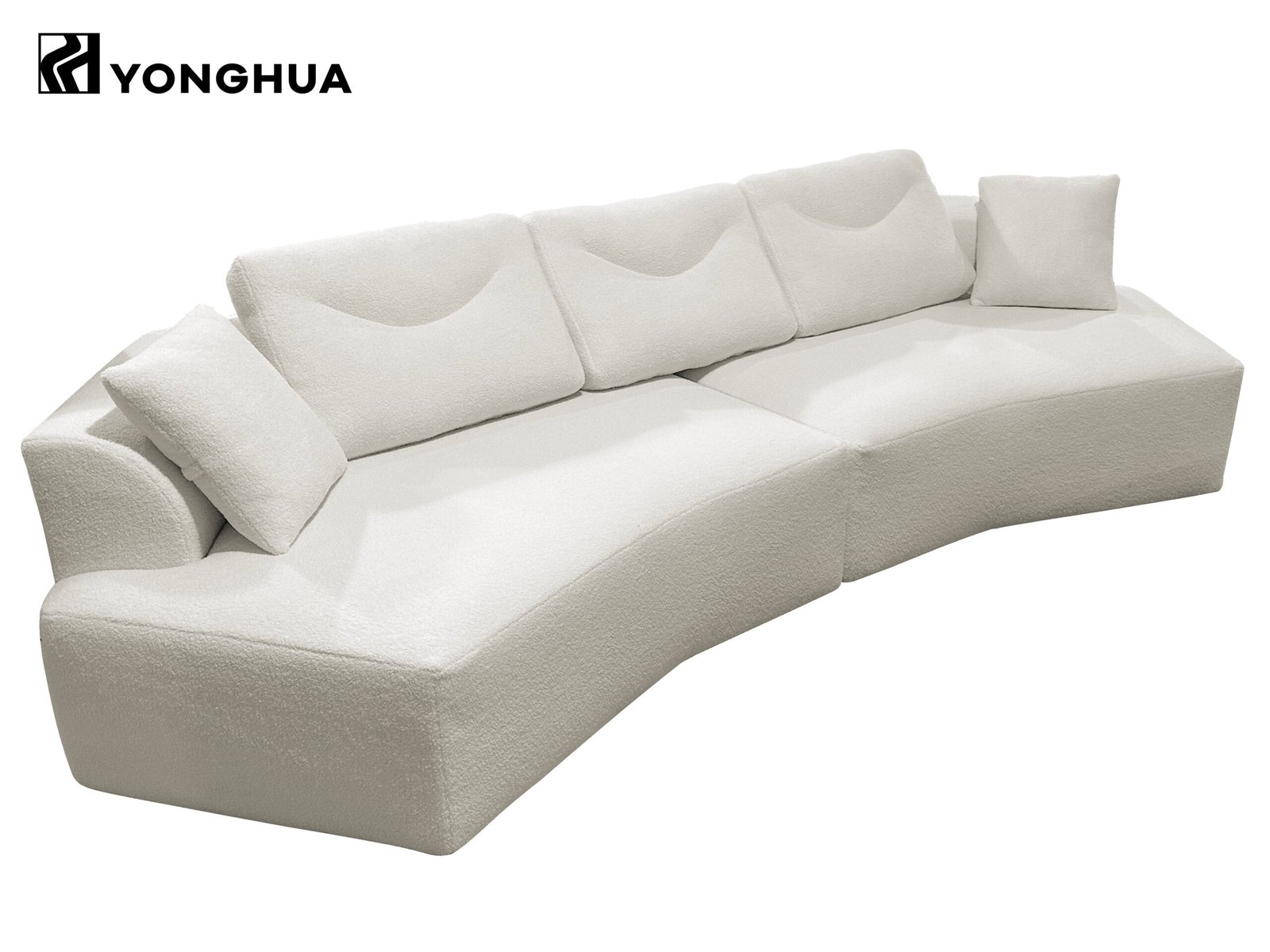
Moreover, the reduced shipping costs can enable smaller retailers to compete more effectively with larger counterparts. By leveraging the cost advantages of compressed sofas, smaller retailers can offer products at competitive prices, leveling the playing field in the furniture retail market.
Storage and Inventory Management
The compact nature of compressed sofas offers significant advantages in terms of storage and inventory management for retailers. Traditional sofas require considerable storage space, often necessitating expansive warehouse facilities. Compressed sofas, however, can be stored in a much smaller footprint, allowing retailers to optimize their warehouse capacity.
With the ability to store more units in the same space, retailers can maintain a larger inventory without the need for additional storage facilities. This optimization not only reduces storage costs but also enhances inventory management efficiency. Retailers can better manage their stock levels, ensuring that popular items are readily available for customers without the risk of overstocking or understocking.
Furthermore, the improved storage efficiency can lead to faster order fulfillment and delivery times. Retailers can quickly access and ship compressed sofas to customers, enhancing the overall shopping experience. The ability to store more products also allows retailers to offer a wider range of styles and designs, catering to diverse customer preferences and increasing sales opportunities.
Environmental Impact
The environmental impact of compressed sofa suppliers is a crucial consideration in today’s eco-conscious market. By reducing the volume of furniture during shipping, compressed sofas contribute to a decrease in the carbon footprint associated with transportation. Fewer shipments are required to transport the same number of sofas, resulting in lower fuel consumption and reduced greenhouse gas emissions.
The sustainability benefits extend beyond transportation. The compact packaging of compressed sofas often requires less material, reducing the amount of packaging waste generated. This reduction in packaging material further contributes to environmental conservation and aligns with the growing consumer demand for sustainable products.
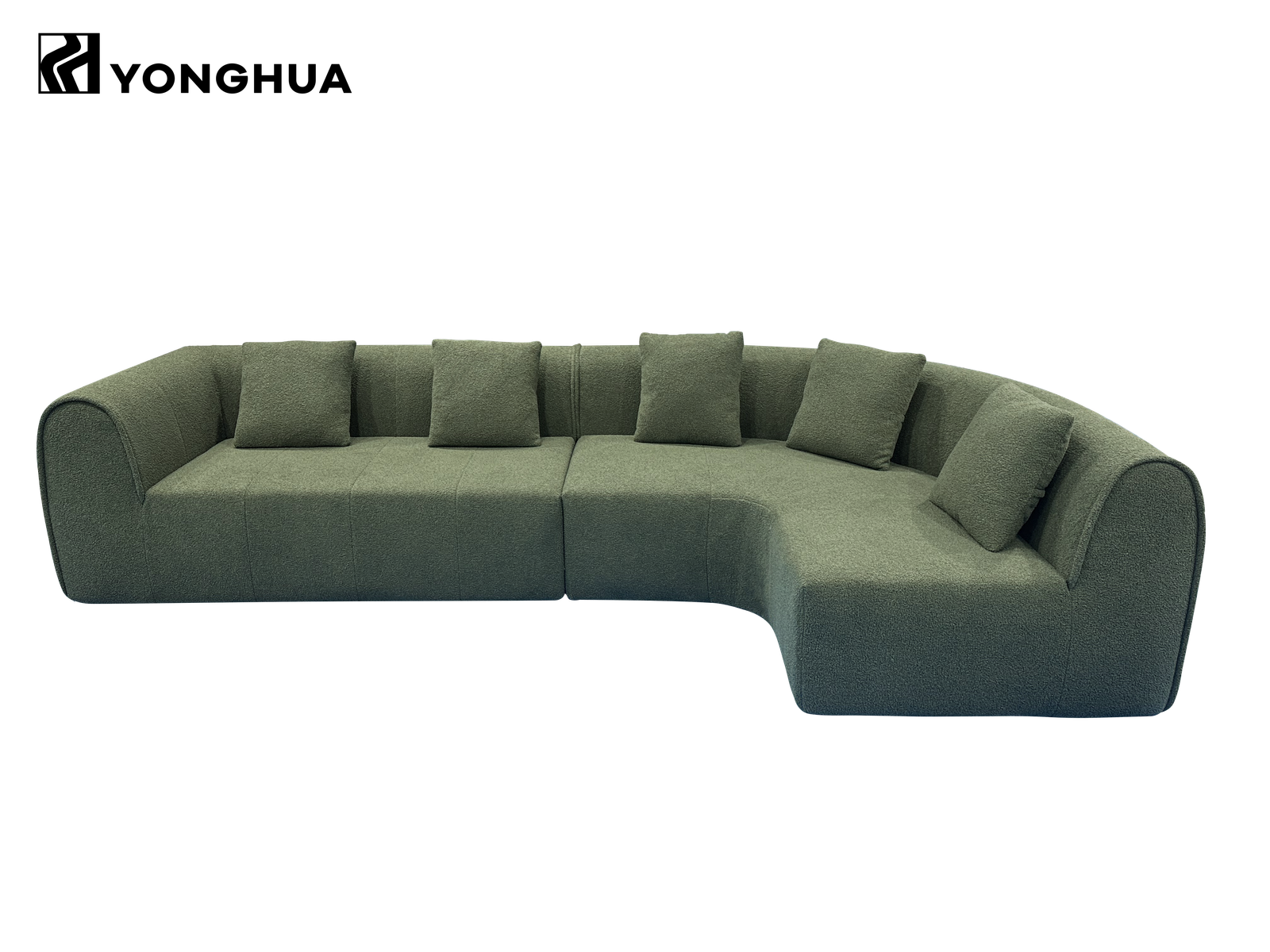
Retailers who prioritize sustainability can leverage the environmental benefits of compressed sofas to enhance their brand image. By offering eco-friendly furniture options, retailers can attract environmentally conscious consumers and differentiate themselves in a competitive market. The adoption of sustainable practices also aligns with corporate social responsibility initiatives, reinforcing the retailer’s commitment to environmental stewardship.
Consumer Convenience
Compressed sofas offer unparalleled convenience for consumers, making them an attractive option in the furniture market. Traditional sofas can be cumbersome to transport and often require professional delivery services. In contrast, compressed sofas are designed for easy handling and transport, allowing consumers to purchase and set up their furniture with minimal hassle.
The compact packaging of compressed sofas means they can be easily transported in personal vehicles, eliminating the need for costly delivery services. Consumers can conveniently pick up their sofas from the retailer or have them delivered in smaller, more manageable packages. This convenience extends to the setup process, as compressed sofas are typically designed for easy assembly without the need for specialized tools or expertise.
The ease of transport and assembly enhances the overall customer experience, making compressed sofas a popular choice among consumers who value convenience and efficiency. Retailers can capitalize on this trend by highlighting the user-friendly features of compressed sofas in their marketing campaigns, attracting a broader customer base and driving sales.
Product Quality and Durability
While the benefits of compressed sofas are numerous, it is essential to assess how the compression process affects the quality and durability of the products. The integrity of the sofa must be maintained despite the compression to ensure customer satisfaction and long-term use.
Manufacturers of compressed sofas employ advanced materials and engineering techniques to ensure that the sofas retain their shape, comfort, and durability after decompression. High-quality foam, fabrics, and structural components are used to withstand the compression process and provide a comfortable and resilient seating experience.
Retailers must carefully evaluate the quality of compressed sofas from different suppliers to ensure they meet the required standards. Partnering with reputable suppliers who prioritize product quality is crucial to maintaining customer trust and satisfaction. Retailers should also provide clear information about the materials and quality standards of their compressed sofas to reassure consumers about the product’s durability.
Market Competition
The introduction of compressed sofas can intensify competition among furniture retailers. Those who adopt this innovative supply method may gain a competitive edge due to the associated cost savings, storage efficiency, and consumer convenience. Retailers who do not offer compressed sofas may need to adjust their offerings and prices to remain competitive. This increased competition can drive innovation and improvement in the industry, benefiting consumers through better products and services. Retailers must stay vigilant and adapt to market changes, ensuring they can compete effectively against those leveraging compressed sofa suppliers.
Brand Perception
Retailers who stock compressed sofas can enhance their brand perception by being viewed as modern and forward-thinking. Innovation and efficiency in product delivery are attractive qualities to consumers, particularly those who value convenience and sustainability. By offering compressed sofas, retailers can position themselves as leaders in adopting new technologies and practices, appealing to a demographic that prioritizes these attributes. This positive brand perception can lead to increased customer loyalty and attract new customers who are drawn to the retailer’s innovative approach.
Assembly and Customer Experience
The ease of assembly for compressed sofas plays a crucial role in customer satisfaction. Retailers must ensure that the assembly process is straightforward and provide clear instructions and support to facilitate a positive consumer experience. Easy assembly can enhance customer satisfaction, as it allows consumers to enjoy their new furniture without the frustration of complicated setups.
Additionally, retailers can provide online resources, instructional videos, or customer support to assist customers with the assembly process, ensuring a smooth experience. By offering compressed sofas with easy assembly, retailers can improve the overall shopping experience, reduce customer frustration, and foster positive reviews and repeat business.
By partnering with compressed sofa suppliers, furniture retailers can optimize their operations, reduce costs, improve their market competitiveness, and offer a more convenient and sustainable product to their customers. This innovation in the furniture supply chain presents significant opportunities for growth and success, positioning retailers to thrive in an ever-changing market.