
leading paragraph:
Handling bulk orders for compressed sofas can be a complex and demanding task, requiring meticulous planning and execution. Let’s dive into how the process works.
featured paragraph:
The journey of managing bulk orders for compressed sofas starts from the initial consultation and continues all the way through to after-sales service. Each step, including production planning, material procurement, and logistics, is essential to ensure a seamless delivery of high-quality products.
Transition paragraph:
Now, let’s explore each critical phase in more detail, from consultation to shipping, and understand how they come together to fulfill bulk orders for compressed sofas.
How does the initial consultation shape the bulk order process?
leading paragraph:
The first step in processing bulk orders involves a detailed initial consultation. But what exactly happens during this stage?
featured paragraph:
During the consultation, the supplier gathers essential information to tailor the order to the client’s needs. This is where the foundation of the entire process is laid, ensuring that the final product aligns perfectly with the client’s vision.
Dive deeper paragraph:
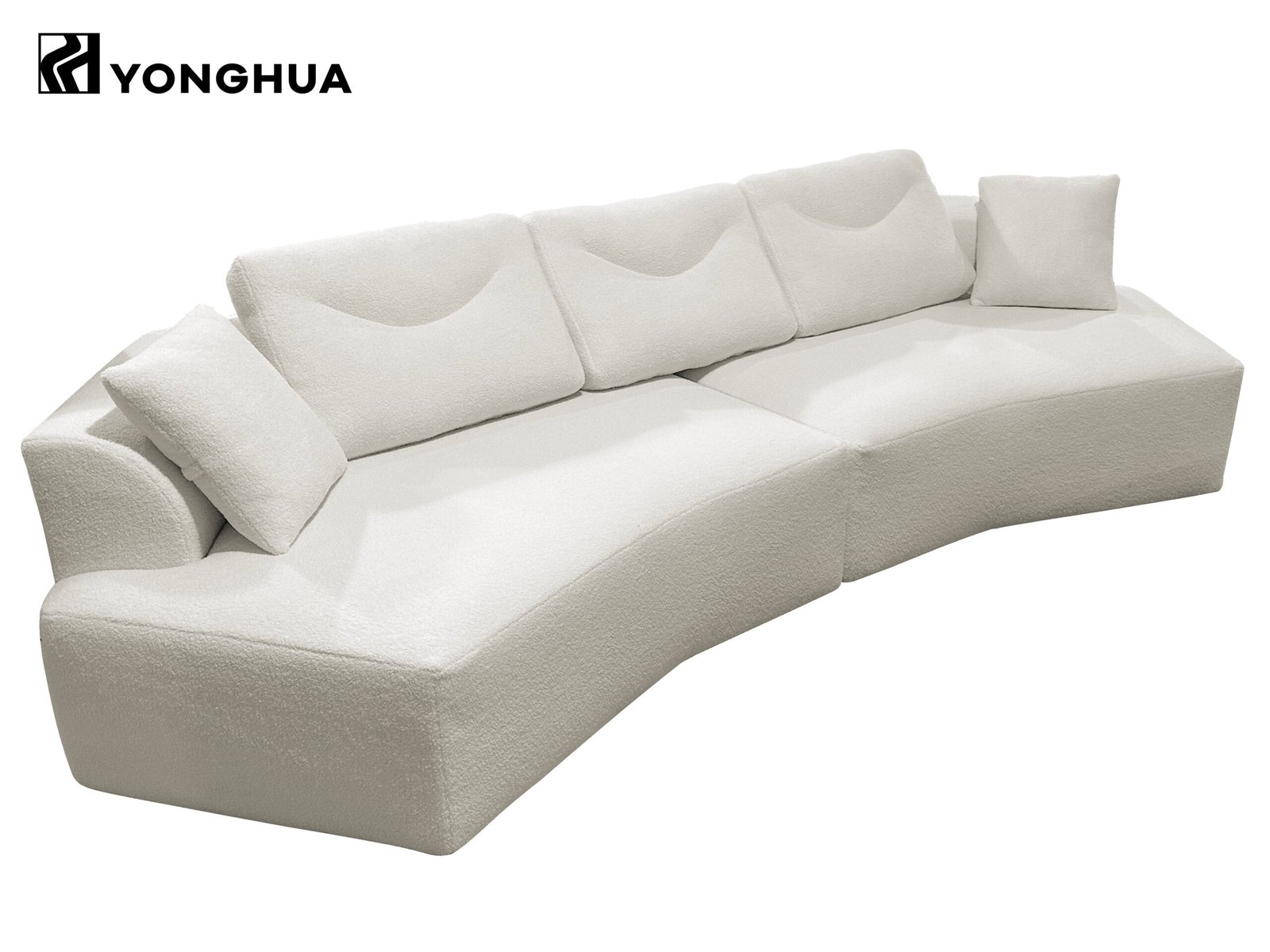
The initial consultation is where everything begins. It’s the opportunity for the supplier to fully understand the client’s requirements, be it specific sofa styles, preferred colors, custom features, or the quantity needed. Suppliers dedicate time to this phase to ensure the order specifications are crystal clear, which is vital for reducing errors down the line. By presenting different material options and samples, suppliers help clients visualize their choices.
Beyond just design and style, suppliers also discuss logistics, including delivery schedules, any potential challenges, and the timeline for completing the order. This phase establishes trust between the supplier and the client, which is key for a smooth process. Without this detailed step, misunderstandings may arise, which can lead to delays or subpar products. Therefore, taking time here leads to an efficient production phase, where all teams involved have a solid understanding of what is expected.
Why is production planning and scheduling crucial for bulk orders?
leading paragraph:
Once the order specifications are confirmed, the focus shifts to production planning and scheduling. But how does this phase ensure a timely and quality delivery?
featured paragraph:
Production planning involves coordinating resources, schedules, and teams to ensure the bulk order is completed on time. A well-crafted plan minimizes delays and optimizes resource usage, ensuring the final product meets high-quality standards.
Dive deeper paragraph:
After receiving the order specifications, suppliers create a detailed production plan. This plan is essential because it aligns all departments, from design to manufacturing, toward a common goal: completing the order on time. The production schedule maps out timelines for each phase, such as raw material procurement, production line setup, assembly, and quality checks.
An effective production schedule also considers resource allocation. This means suppliers must ensure enough raw materials, machinery, and skilled labor are available to handle the bulk order. Adjusting capacity based on the size of the order helps maintain consistent production levels, avoiding overburdening the system. This careful planning is key to preventing bottlenecks and delays, ensuring that the order flows smoothly from start to finish.
Moreover, modern suppliers often rely on project management tools to track each milestone and adjust in real time. This level of detail helps suppliers stay on track and meets the client’s timeline without compromising quality.
How do suppliers ensure the right materials and high quality?
leading paragraph:
With the production plan in place, the next critical step is sourcing and ensuring the quality of materials. But why does material procurement matter so much?
featured paragraph:
Quality materials are the backbone of any sofa. Suppliers work with trusted vendors to secure top-tier materials, conduct rigorous quality checks, and ensure the finished product meets industry standards.
Dive deeper paragraph:
Material procurement is one of the most pivotal stages in bulk order fulfillment. To manage large-scale orders, suppliers must source high-quality materials in the quantities needed. This is achieved by maintaining strong relationships with reliable suppliers who can provide the required materials at competitive prices. Negotiating long-term contracts ensures that suppliers can handle the volume of orders without delays or price fluctuations.
Once the materials are procured, strict quality control measures are put in place. Each batch undergoes testing for durability, safety, and compliance with industry regulations. This includes checking for imperfections like defects or inconsistencies in fabric, foam, and spring components.
Suppliers use specialized equipment to test materials for resilience and endurance, ensuring that each sofa will withstand long-term use. This attention to detail guarantees the finished product not only meets but often exceeds customer expectations. By upholding strict quality standards, suppliers maintain their reputation and foster long-term client relationships.
What role does efficient manufacturing play in bulk orders?
leading paragraph:
Efficient manufacturing processes are crucial when it comes to handling bulk orders. So, how do suppliers ensure that production remains streamlined?
featured paragraph:
To manage large-scale production, suppliers optimize their manufacturing processes, utilizing advanced machinery and skilled labor. This approach boosts efficiency while maintaining the highest standards of quality.
Dive deeper paragraph:
Efficient manufacturing is at the heart of handling bulk orders. Suppliers use modern machinery designed to streamline the production process. These machines are built to handle large quantities of sofas while ensuring precision and consistency in every piece produced. Advanced automation systems allow for faster production times and higher throughput without compromising quality.
Skilled labor plays a key role in this process. Skilled workers are responsible for setting up machinery, assembling components, and ensuring that each sofa meets the required standards. Training programs are crucial for keeping the workforce up to date with the latest manufacturing techniques, improving overall productivity.
Furthermore, optimizing the workflow is essential. Suppliers analyze every step of the production process to eliminate inefficiencies. For instance, reducing downtime and minimizing the chances of error are essential for keeping production on track. By implementing lean manufacturing principles, suppliers can produce large quantities without sacrificing quality or speed.
How does compression technology improve bulk order efficiency?
leading paragraph:
Compression technology plays a major role in reducing costs and improving logistics when handling bulk orders. But how exactly does this technology work?
featured paragraph:
Compression technology allows suppliers to reduce the size of sofas for easier storage and shipping. This innovation not only cuts down on transportation costs but also ensures that sofas arrive at their destination in optimal condition.
Dive deeper paragraph:
Compression technology has transformed the way bulk orders for compressed sofas are handled. By using high-pressure machines, suppliers compress sofas to reduce their size for storage and transportation. The compression process involves folding and rolling the sofa in a way that doesn’t compromise its structural integrity or aesthetic appeal.
This method provides multiple benefits. First, it reduces shipping costs significantly by making the sofa packages more compact, allowing for more efficient use of space in shipping containers. The ability to stack and store compressed sofas more efficiently also means suppliers can streamline inventory management and reduce storage costs.
Despite the compression, sofas maintain their quality. The technology ensures that the materials used—foam, fabric, springs—are protected during transit, avoiding damage. Once the sofas reach their destination, they can easily be re-inflated or expanded, restoring them to their original size and shape.
What happens during packaging and labeling?
leading paragraph:
After compression, the final step before shipping is packaging and labeling. But why is this phase so important in ensuring safe delivery?
featured paragraph:
Proper packaging and clear labeling ensure that compressed sofas are protected during transit and easily identifiable. This phase is critical to preventing damage and ensuring that the products arrive safely and on time.
Dive deeper paragraph:
Packaging and labeling are the final touches before shipping. Suppliers carefully package each compressed sofa using durable materials that can withstand the rigors of transportation. Special care is taken to protect the sofa from any physical damage, such as scratches or tears. The packaging is designed to keep the sofa in its compressed form, ensuring that it remains intact throughout the journey.
Labeling is equally important. Each package is labeled with essential information such as product specifications, handling instructions, and destination details. This ensures that each package can be easily identified and handled correctly during transit. Clear labeling also helps reduce the likelihood of shipping errors or delays, as it provides all the information necessary for accurate delivery.
Conclusion
Efficiently handling bulk orders for compressed sofas requires careful planning, coordination, and attention to detail. From consultation to delivery, each step ensures that the final product meets the client’s expectations and reaches them in perfect condition.