
How to Request a Custom Design from a Compressed Sofa Supplier
When it comes to furnishing your home, a sofa is often the centerpiece of your living space. Finding the perfect sofa that fits your style, space, and comfort needs can be a daunting task, especially if you’re looking for something unique. This is where custom designs come into play, allowing you to tailor every aspect of your sofa to your exact specifications. However, requesting a custom design from a compressed sofa supplier involves a series of steps to ensure that your vision is accurately brought to life. This article will guide you through the process, from identifying your needs to monitoring the production and delivery timeline.
1. Identify Your Needs and Preferences
The first step in requesting a custom sofa design is to clearly identify your needs and preferences. This involves determining the specific requirements for your sofa, including size, color, material, and style. Consider the space where the sofa will be placed and how it will complement the existing decor. For instance, if you have a modern living room, you might prefer a sleek, minimalist design. On the other hand, a traditional setting might call for a more ornate, classic look. Think about the functionality as well—do you need extra storage, a pull-out bed, or a reclining feature? By understanding exactly what you want, you can communicate your vision more effectively to the supplier.
2. Research Potential Suppliers
Once you have a clear idea of what you want, the next step is to research potential suppliers. Look for suppliers who specialize in compressed sofas and have a reputation for quality and reliability. This can be done by browsing online, reading reviews, and checking out testimonials from previous customers. Websites like Yelp, Google Reviews, and specialized furniture forums can provide valuable insights into the experiences of others. Additionally, consider reaching out to friends or family who have had custom furniture made. A reputable supplier will not only have positive reviews but also a portfolio of previous work that showcases their ability to deliver custom designs.
3. Gather Inspiration and Reference Images
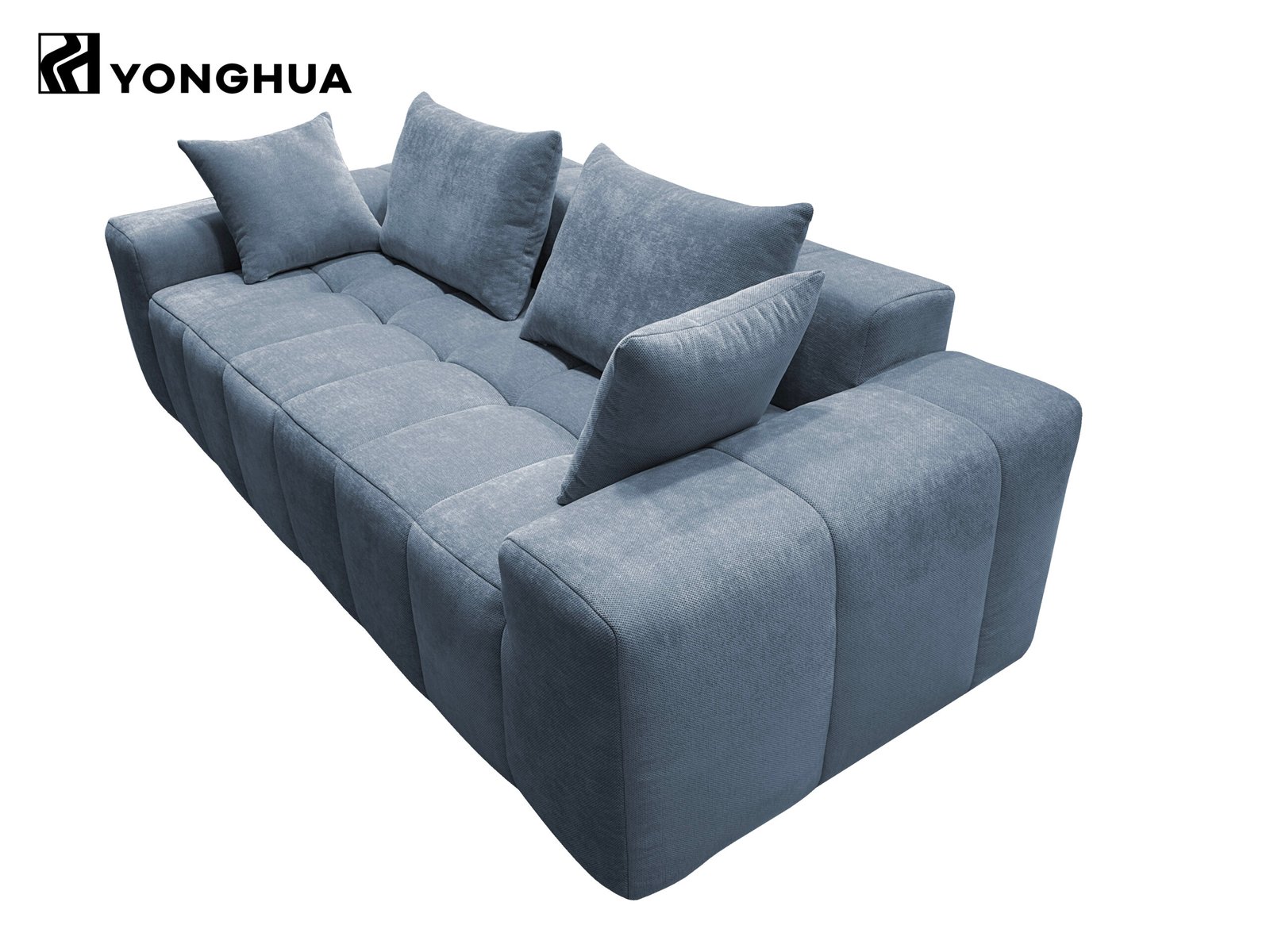
To ensure that your custom sofa turns out exactly as you envision, it’s helpful to gather inspiration and reference images. Collect images of sofas that appeal to you from magazines, websites, or social media platforms like Pinterest and Instagram. Create a mood board or a digital folder to organize your ideas and references. This visual collection will serve as a valuable tool when communicating your design preferences to the supplier. It will also help you refine your vision and make more informed decisions about the various elements of your sofa, such as the type of fabric, color palette, and overall aesthetic.
4. Prepare a Detailed Design Brief
With your inspiration and references in hand, it’s time to prepare a detailed design brief. This document should outline all your specifications and preferences, providing the supplier with a clear understanding of what you want. Include measurements of the space where the sofa will be placed, preferred materials, color swatches, and any special features you want, such as tufting, piping, or specific cushion firmness. The more detailed your design brief, the easier it will be for the supplier to bring your vision to life. Be sure to also include any budget constraints and timeline expectations to avoid any misunderstandings later on.
5. Communicate Clearly with the Supplier
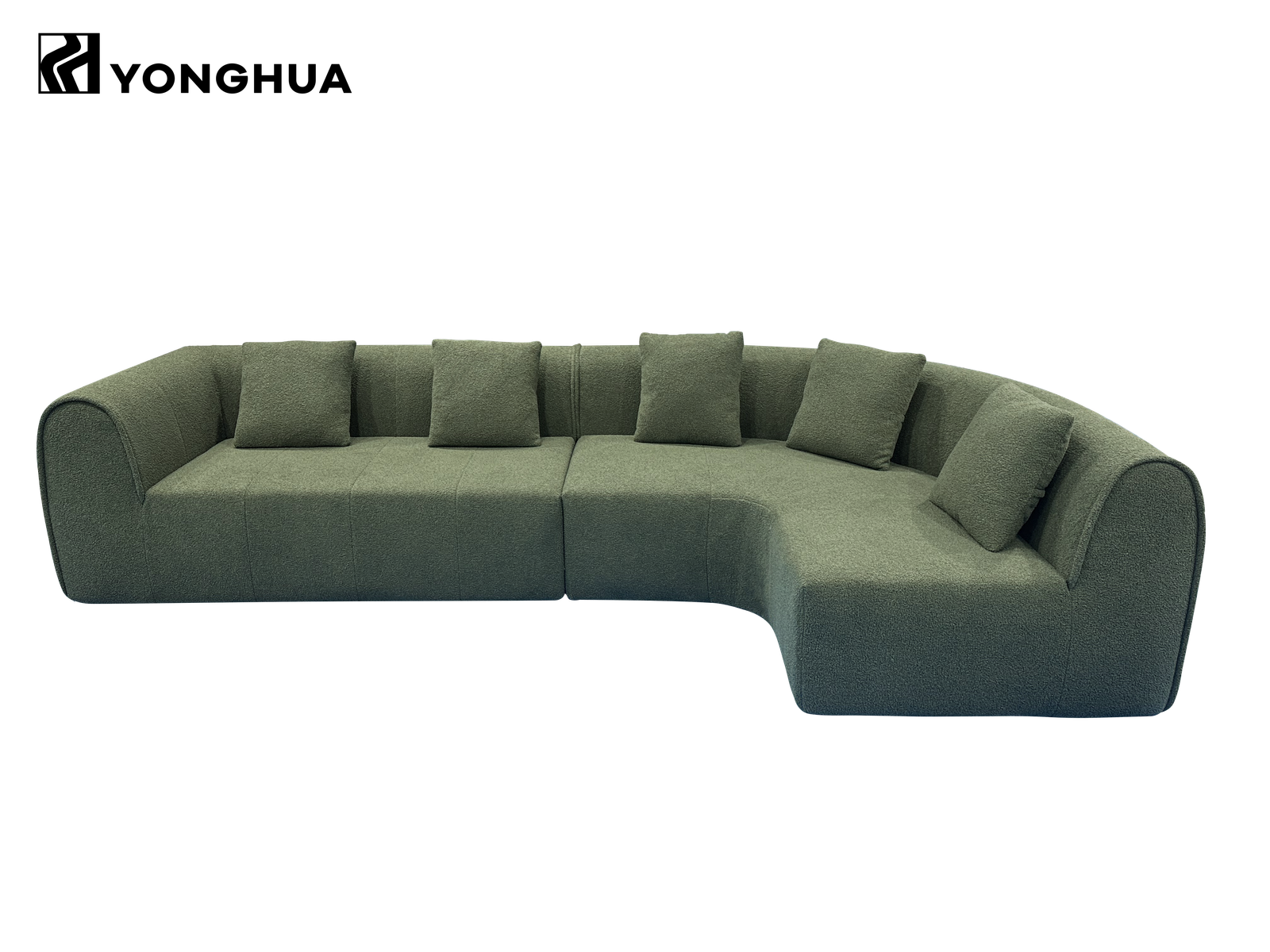
Effective communication is key to a successful custom sofa design. Contact the supplier via email or phone and introduce yourself and your project. Share your design brief and reference images with the supplier to ensure they understand your vision. Be open to discussing your ideas and asking questions to clarify any uncertainties. This initial communication will set the tone for the rest of the project, so it’s important to be clear, concise, and respectful. A good supplier will appreciate your thoroughness and be willing to work with you to achieve the best possible outcome.
6. Discuss Feasibility and Constraints
After sharing your design brief, have an open conversation with the supplier about the feasibility of your custom design. Address any potential constraints, such as material availability, production timelines, and budget. This is the time to discuss any compromises that may need to be made and to understand the limitations of what can be achieved. For example, certain fabrics or colors might not be available, or the design might require adjustments to fit within your budget. By discussing these constraints upfront, you can avoid any disappointments later on and ensure that both you and the supplier are on the same page.
7. Request Samples and Prototypes
To ensure that the quality and look of your custom sofa meet your expectations, request material samples or small prototypes from the supplier. This could include fabric swatches, wood finish samples, or even a small-scale model of the sofa. Evaluating these samples will give you a better idea of how the final product will look and feel. Provide feedback to the supplier for any necessary adjustments, such as changing the fabric texture or color. This step is crucial in ensuring that the final product aligns with your vision and meets your quality standards.
8. Review and Approve Design Mockups
Once the samples have been reviewed and the adjustments have been made, the supplier will likely present you with a design mockup. This mockup will include detailed drawings or digital renderings of your custom sofa, showing the design from various angles and highlighting key features. Review the mockup carefully to ensure that all the details align with your preferences.
Make sure to check the dimensions, color accuracy, material choices, and any other specifications that are important to you. If any further modifications are needed, communicate these changes clearly to the supplier. Once you’re satisfied with the mockup, provide your approval to move forward with production. Approving the design is an essential step in ensuring that the final product matches your expectations.
9. Monitor Production and Stay in Communication
After the design has been approved, the production process begins. Throughout this phase, maintain open communication with the supplier to stay updated on the progress. Ask for regular updates or photos of the sofa as it is being built to ensure everything is on track. Monitoring the production timeline and staying in touch with the supplier will help avoid any surprises or delays.
If any issues arise during production, address them promptly to ensure that the sofa is delivered on time and according to your specifications.
10. Inspect the Final Product
Once the custom sofa is completed, it’s time for final inspection. Before accepting delivery, carefully inspect the product to ensure it meets all your expectations. Check the stitching, upholstery, and overall craftsmanship. Ensure that any special features you requested, such as storage compartments or adjustable parts, are included and functioning correctly. If any issues are found, communicate them to the supplier immediately for resolution.
By following these steps and maintaining clear communication with the supplier, you can ensure that your custom compressed sofa meets your design vision and provides lasting comfort and style. A well-designed, custom sofa can enhance the beauty and functionality of your space, making it a worthwhile investment for years to come.