
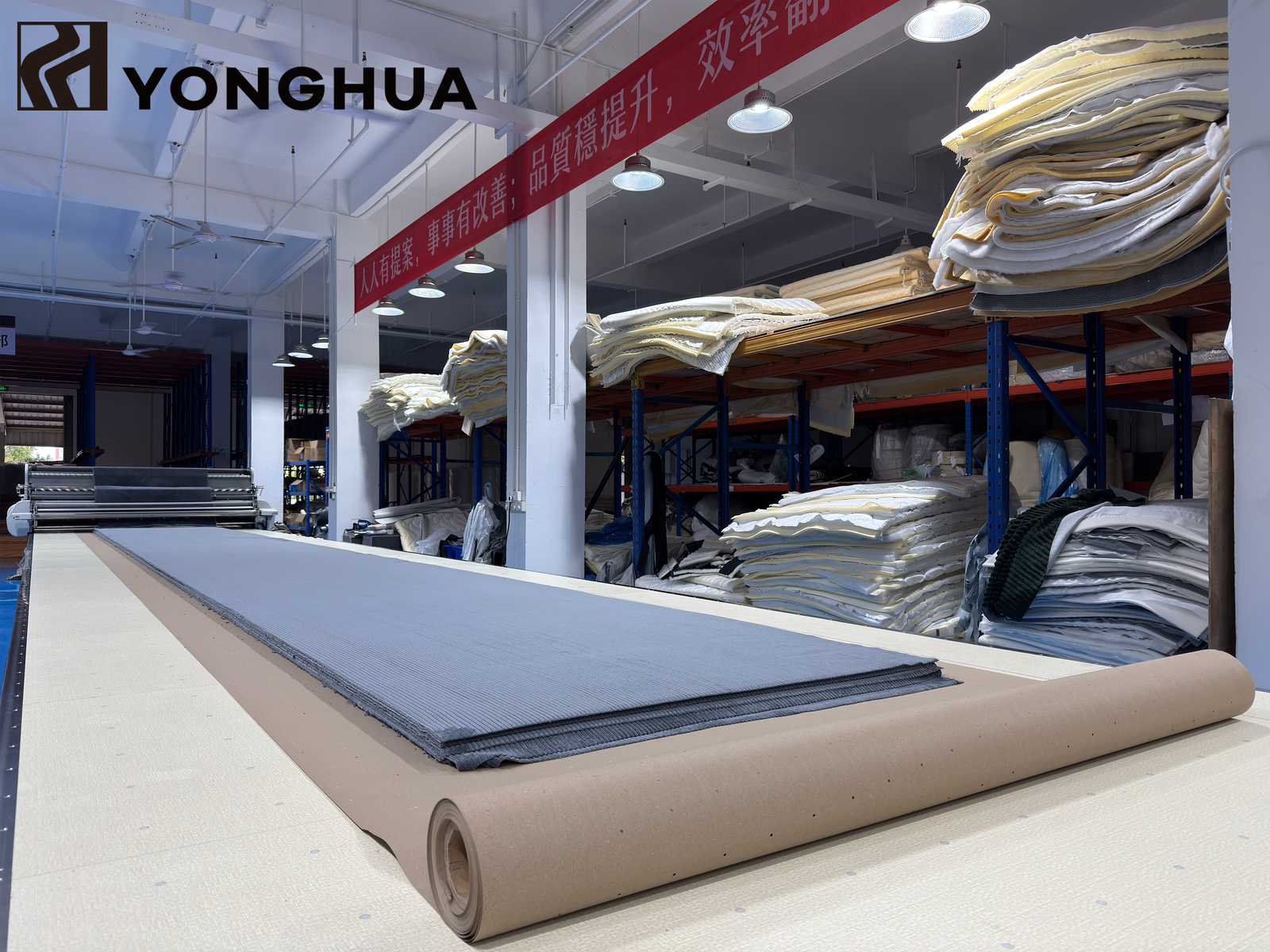
As environmental awareness continues to rise, selecting a sustainable supplier is no longer just a preference but a necessity for businesses and eco-conscious consumers alike. Compressed sofas, designed for convenience and efficiency, also need to meet rigorous sustainability standards to ensure their environmental impact is minimized. This guide outlines the critical aspects to evaluate when assessing the sustainability practices of a compressed sofa supplier.
1. Material Sourcing: The Foundation of Sustainability
Understanding a supplier’s material sourcing practices is essential. Sustainable materials include:
- FSC-Certified Wood: Ensures responsible forest management, preserving biodiversity.
- Recycled Fabrics: Decrease waste and reduce the need for virgin materials.
- Eco-Friendly Foam: Alternatives like soy-based foam minimize harmful chemical use.
Ask suppliers for detailed sourcing documentation to ensure traceability and transparency. By prioritizing suppliers who use responsibly sourced materials, you contribute to reducing deforestation, resource depletion, and pollution.
2. Manufacturing Processes: Efficiency Matters
Suppliers’ manufacturing methods significantly influence their environmental footprint. Key elements to evaluate:
- Energy Use: Look for factories powered by renewable energy such as solar or wind.
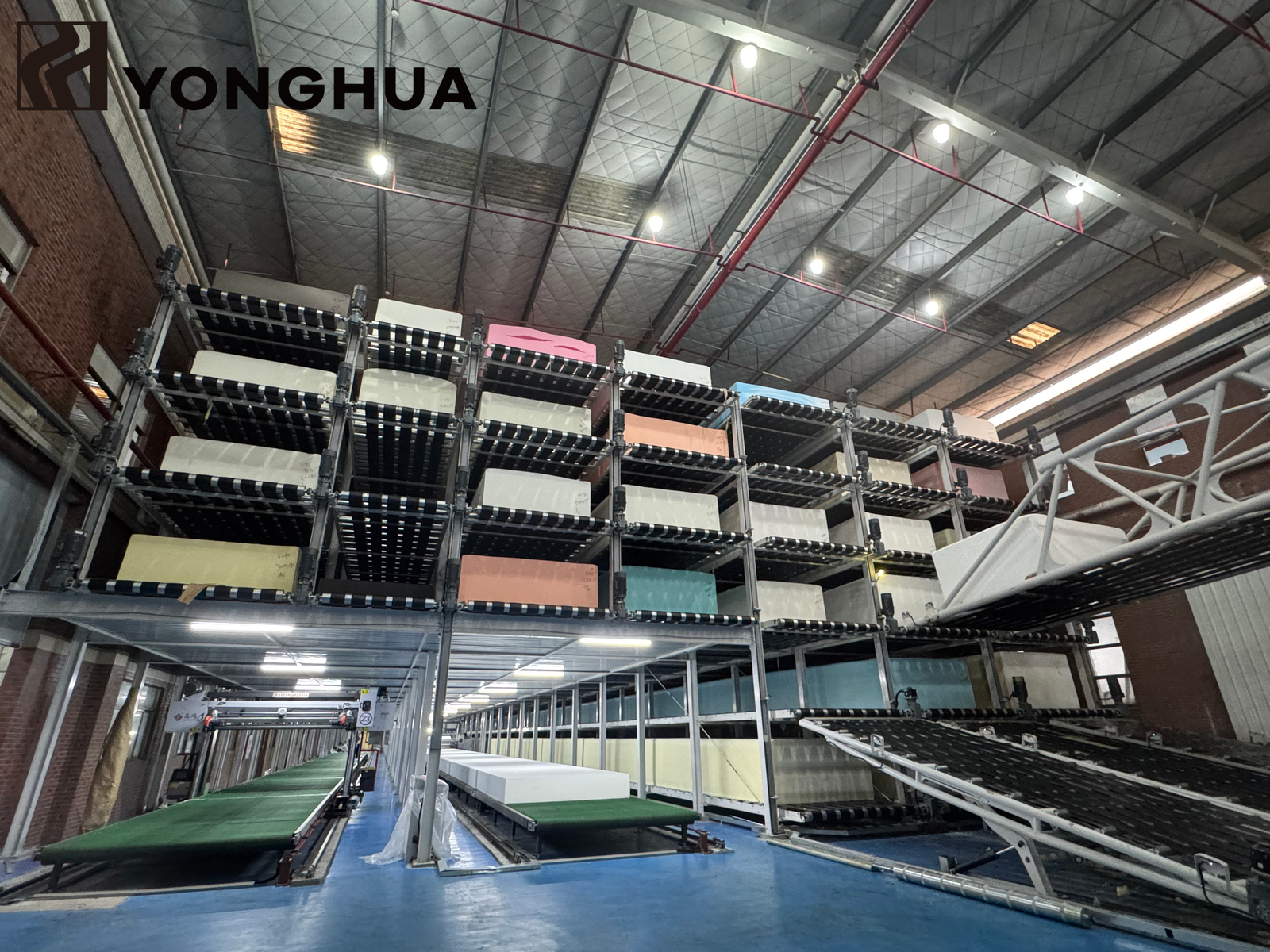
- Waste Management: Assess recycling programs and waste minimization strategies.
- Emissions Control: Seek suppliers using clean technology to reduce pollution.
Suppliers adopting green manufacturing practices not only reduce their environmental impact but often achieve greater operational efficiency, resulting in long-term cost savings.
3. Certifications and Standards: Verified Commitment
Certifications provide third-party validation of sustainability claims. Look for:
- FSC Certification: Guarantees sustainably sourced wood.
- GREENGUARD Certification: Verifies low chemical emissions for healthier indoor air quality.
- OEKO-TEX Certification: Confirms textiles are free from harmful substances.
These certifications reflect a supplier’s adherence to stringent environmental and ethical standards, offering assurance of their commitment to sustainable practices.
4. Sustainable Packaging: Reducing Waste
Packaging plays a critical role in sustainability. For compressed sofas, prioritize suppliers using:
- Biodegradable Materials: Such as cornstarch-based alternatives.
- Minimal Packaging: Reduces waste and environmental burden.
- Recyclable Solutions: Support a circular economy by enabling reuse.
Sustainable packaging practices demonstrate a supplier’s dedication to reducing their environmental footprint beyond the product itself.
5. Transportation and Logistics: Reducing the Carbon Footprint
Transportation is a major contributor to a product’s carbon footprint. Key factors to assess include:
- Eco-Friendly Transportation: Use of electric or hybrid vehicles.
- Optimized Logistics: Efficient route planning to minimize fuel consumption.
- Carbon Offsets: Programs that mitigate transportation-related emissions.
Suppliers committed to green logistics contribute to a more sustainable supply chain while often achieving cost reductions.
6. Social Responsibility: Ethical Practices
Sustainability extends to ethical labor practices and community engagement. Ensure suppliers:
- Provide Fair Wages: Supporting economic equity for workers.
- Maintain Safe Working Conditions: Preventing workplace hazards.
- Uphold Labor Rights: Avoiding exploitative practices like child labor.
Socially responsible suppliers foster equitable practices, building stronger communities and enhancing their reputation.
7. Product Lifecycle: Design for Longevity and Recycling
The durability and recyclability of compressed sofas are vital considerations. Evaluate:
- Longevity: High-quality materials ensure a longer product life, reducing replacements.
- Recyclability: Products designed for easy disassembly and material recovery support circular economy goals.
Suppliers focused on lifecycle sustainability minimize waste and resource consumption, creating long-term environmental benefits.
8. Transparency and Reporting: Building Trust
Suppliers committed to sustainability often provide regular updates through:
- Sustainability Reports: Detailing initiatives, progress, and goals.
- Open Communication: Willingness to share sourcing, manufacturing, and operational details.
Transparency fosters trust and allows you to make informed decisions, ensuring the supplier aligns with your values.
9. Innovation in Sustainability: Staying Ahead
Suppliers investing in sustainability innovation demonstrate forward-thinking approaches. Examples include:
- New Materials: Development of biodegradable or zero-waste materials.
- Advanced Technologies: Using AI for logistics optimization or blockchain for material traceability.
Choosing innovative suppliers helps your business remain competitive and aligned with emerging sustainability trends.
Final Thoughts
Evaluating the sustainability practices of a compressed sofa supplier involves a holistic approach—examining everything from material sourcing to logistics. By prioritizing suppliers with verified commitments to environmental and ethical standards, you not only reduce your ecological footprint but also support a future where sustainability is the norm.
Make informed choices today for a more sustainable tomorrow.