
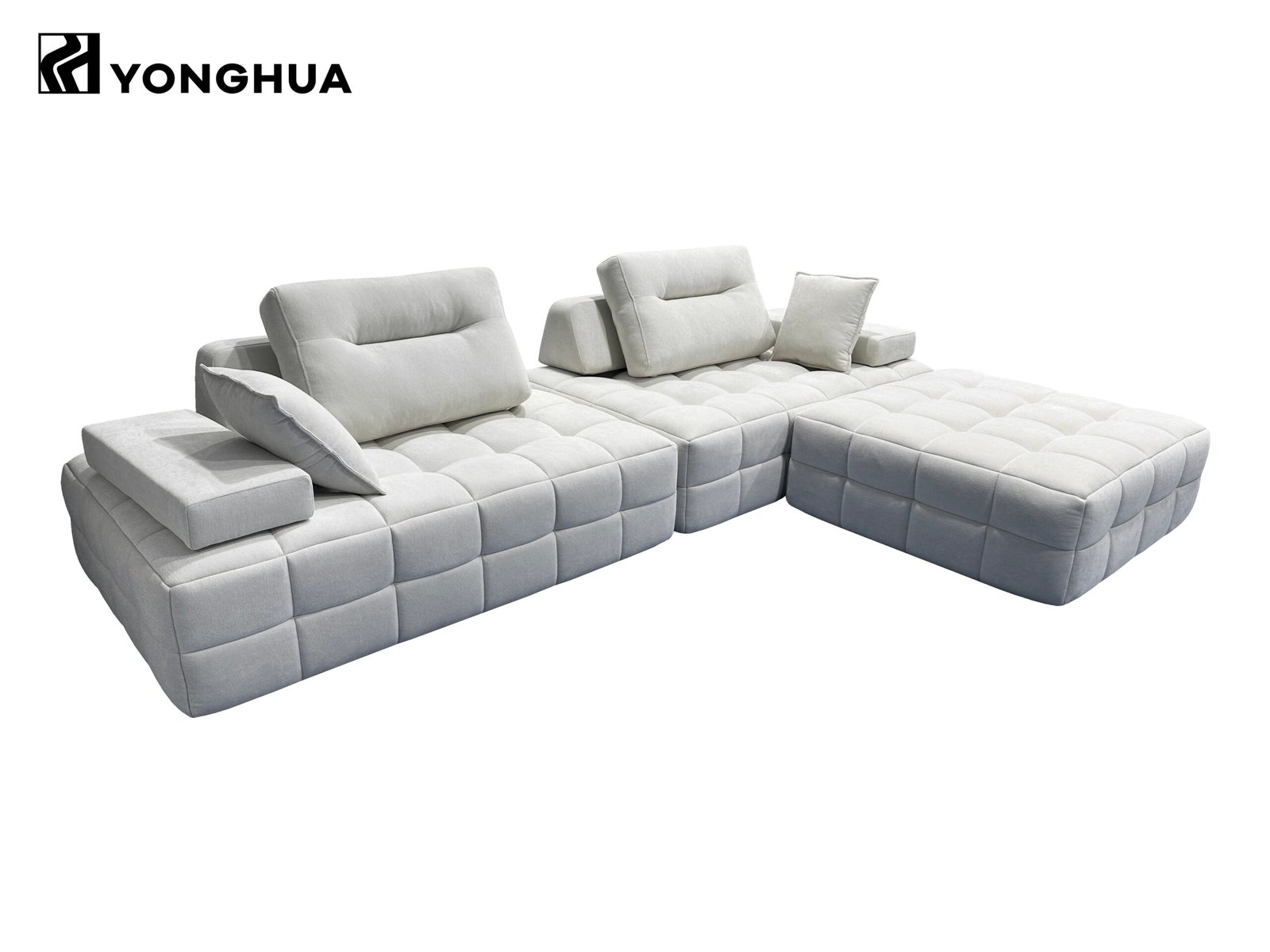
In the highly competitive compressed sofa market, finding the right supplier isn’t just about price or product appearance. It’s about ensuring they have the true production power to consistently deliver high-quality products, on time, and in volume.
A reliable compressed sofa supplier must demonstrate solid manufacturing facilities, advanced technology, skilled labor, and a proven ability to meet demand fluctuations without sacrificing quality.
Choosing wrong means facing delayed deliveries, poor quality, and business disruption. Choosing right means scaling faster and selling better. Let’s dig deeper.
How to Assess a Supplier’s Manufacturing Facilities?
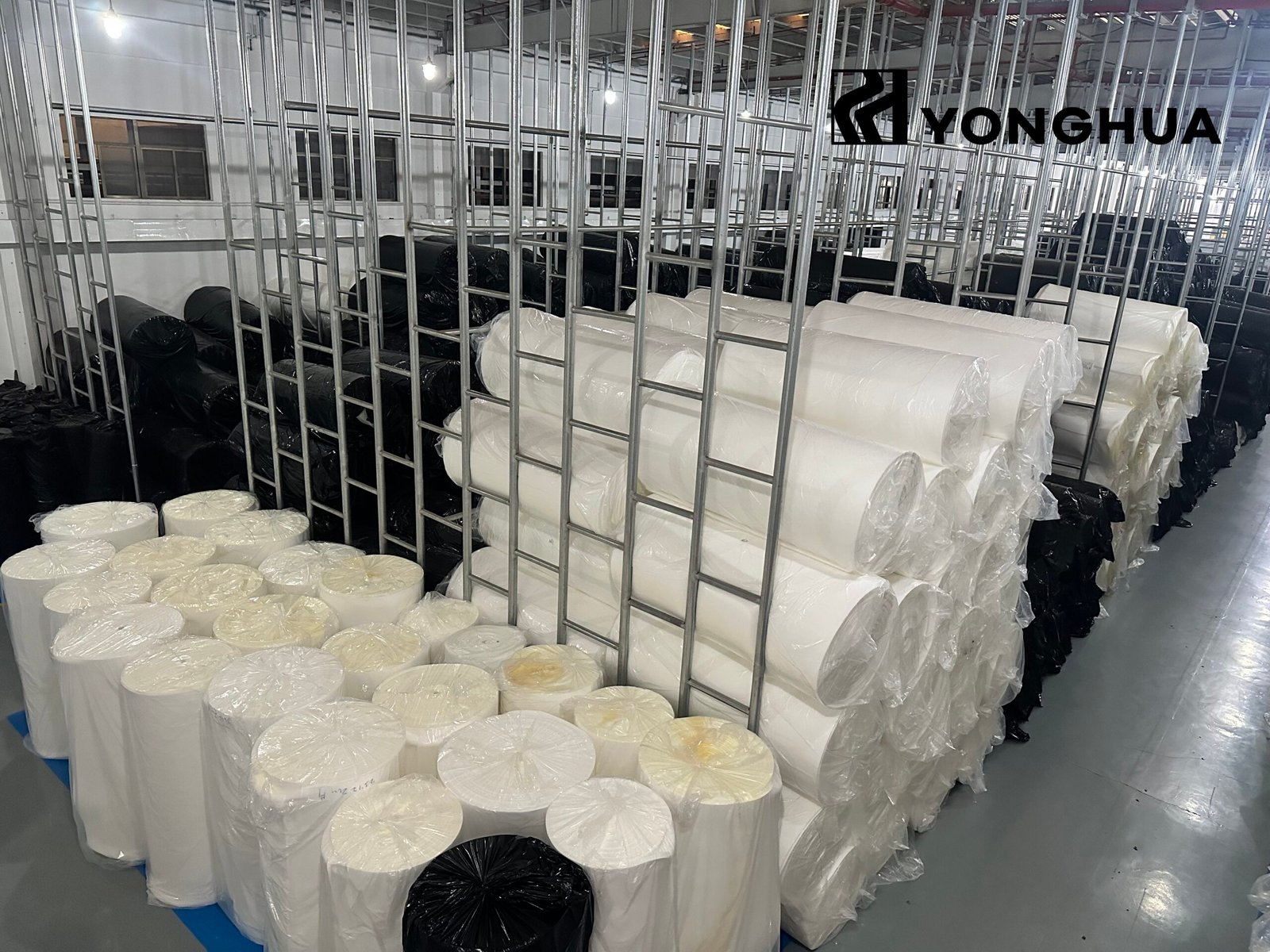
If a supplier’s workshop is chaotic or undersized, it’s a red flag. A clean, organized, and well-equipped facility is the foundation of serious production capacity.
A good compressed sofa manufacturer will have dedicated production zones, high-efficiency layouts, and strict material flow systems to minimize waste and maximize speed.
- Space Size: More than 10,000 square meters is ideal for medium to large-scale operations.
- Layout: Look for separate zones — foam cutting, sewing, frame assembly, compression, packaging.
- Storage: Indoor warehouse space for raw materials and finished products is a must.
Without enough space and organization, production slows down, errors increase, and your orders get delayed.
What Machinery and Technology Should You Look For?
Modern compressed sofa production relies heavily on specialized machinery.
Suppliers serious about output will invest heavily in automation, precision cutters, high-pressure compressors, and computerized quality control systems.
Here’s a quick checklist:
| Technology/Equipment | Why It Matters |
|---|---|
| CNC Foam Cutters | Precision cutting, minimal waste |
| High-Pressure Compressors | Consistent compression without damage |
| Automated Sewing Machines | Speed + stitching consistency |
| ERP Production Systems | Real-time tracking and resource planning |
Suppliers using outdated equipment can’t meet large orders or sudden spikes in demand.
How Important Is the Workforce’s Skill Level?
Even the best machines need experienced hands.
Compressed sofa production involves delicate steps like precision foam shaping, careful fabric fitting, and exact compression ratios — skills only experienced workers master.
Key signs of a strong workforce:
- Experienced Operators: Especially in compression and upholstery areas.
- Ongoing Training Programs: The best suppliers invest monthly in upgrading worker skills.
- Low Staff Turnover: A happy workforce equals stable quality.
If the supplier’s workers aren’t trained, no machine will save the end product.
How to Analyze Production Processes for Efficiency?
A factory isn’t just machines and people — it’s how they’re organized that matters most.
Efficient suppliers run a lean, continuous production line with minimal idle time and quick transitions between steps.
Check for:
- Clear Standard Operating Procedures (SOPs) at every workstation.
- In-process Quality Checks instead of just final inspections.
- Real-time Productivity Monitoring Systems on the floor.
A disorganized process wastes hours daily, slowing your orders and risking quality failures.
Why Is Supply Chain Strength Critical?
Even the best factory stops when materials don’t arrive.
Compressed sofa suppliers must have stable partnerships with foam, fabric, and packaging material vendors — and strong inventory management systems.
What to check:
- Material Sourcing Contracts: Multiple trusted suppliers, not just one.
- Inventory Buffers: Critical items stocked for at least 30 days.
- Vendor Audits: Top suppliers regularly audit their material providers.
Without a strong supply chain, your sofas could be delayed for weeks because of missing zippers or foam blocks.
How to Verify Actual Production Output?
Talk is cheap. Always verify real-world numbers.
Ask the supplier for their monthly compressed sofa output over the last 12 months — including peak and off-peak seasons.
Questions to ask:
- Normal Monthly Output?
- Maximum Monthly Output?
- Lead Time in Busy Season vs Slow Season?
If a supplier claims to produce 10,000 sets per month but can’t show proof (production logs, client references, etc.), stay cautious.
What Quality Control Systems Must a Supplier Have?
Compressed sofas face unique risks during compression and decompression — a single mistake can permanently deform the foam or crack frames.
Top factories have rigorous controls like:
- Compression Test Protocols: Before mass shipment.
- 100% Post-Decompression Inspections: Random checks.
- ISO 9001 or Similar Certifications.
Never compromise on QC — returns are expensive and ruin your brand reputation.
How Important Are Lead Time and Flexibility?
Business never stands still. Demand can spike overnight.
A great compressed sofa supplier will not only promise a standard lead time (30-45 days) but also show they can flex production upwards by 20–30% during peak periods.
Ask for examples where they handled sudden large orders. Their answer will tell you everything.
Should You Check Financial Stability?
It’s critical.
A supplier struggling financially might cut corners on material quality, delay your shipments, or even close down suddenly.
Good signs:
- 10+ years operational history.
- Bank guarantees or financing in place.
- Investments in facility upgrades and new machinery.
A solid balance sheet today ensures solid delivery tomorrow.
Conclusion
Evaluating a compressed sofa supplier’s production capacity is like checking a car before a long road trip — you must lift the hood, not just admire the paint.
Choosing wisely gives you stable supply, fewer headaches, better profits, and a trusted partner for years.