
How to Assess the Reputation of a Compressed Sofa Supplier
When it comes to furnishing your home, choosing the right supplier for your compressed sofa is crucial. With the rise of online shopping, it’s increasingly important to ensure that the supplier you choose is reputable, reliable, and offers high-quality products. This article provides a comprehensive guide to evaluating the reputation of a compressed sofa supplier through ten detailed steps. By following these guidelines, you can make an informed decision and avoid potential pitfalls.

1. Research Customer Reviews
The first step in assessing a compressed sofa supplier’s reputation is to research customer reviews. Platforms such as Google, Yelp, and Trustpilot are valuable resources for gauging customer satisfaction and experiences. Look for recurring themes in the feedback—both positive and negative. For instance, consistent praise for timely delivery and product quality can be a good indicator of reliability. Conversely, frequent complaints about poor customer service or substandard products should raise red flags. Pay close attention to how the supplier responds to negative reviews, as this can provide insight into their commitment to customer satisfaction.
2. Evaluate Product Quality
Next, evaluate the quality of the compressed sofas offered by the supplier. Start by examining detailed product descriptions, which should include information about the materials used, durability, and comfort. High-quality compressed sofas typically feature robust frames, high-density foam, and durable upholstery. If possible, consider purchasing a sample product to personally assess the quality. This hands-on approach allows you to evaluate the sofa’s comfort, build quality, and overall aesthetics. Additionally, look for any third-party reviews or video demonstrations that provide an unbiased assessment of the product.
3. Check Industry Certifications
Industry certifications are a strong indicator of a supplier’s commitment to quality and industry standards. Verify if the supplier holds any certifications or memberships in professional organizations. Certifications such as ISO 9001 indicate adherence to quality management standards, while membership in industry associations can reflect a commitment to best practices. These credentials not only demonstrate the supplier’s dedication to quality but also provide assurance that their products meet established industry benchmarks. Don’t hesitate to ask the supplier for proof of these certifications or look for them on their website.
4. Assess Supplier Longevity
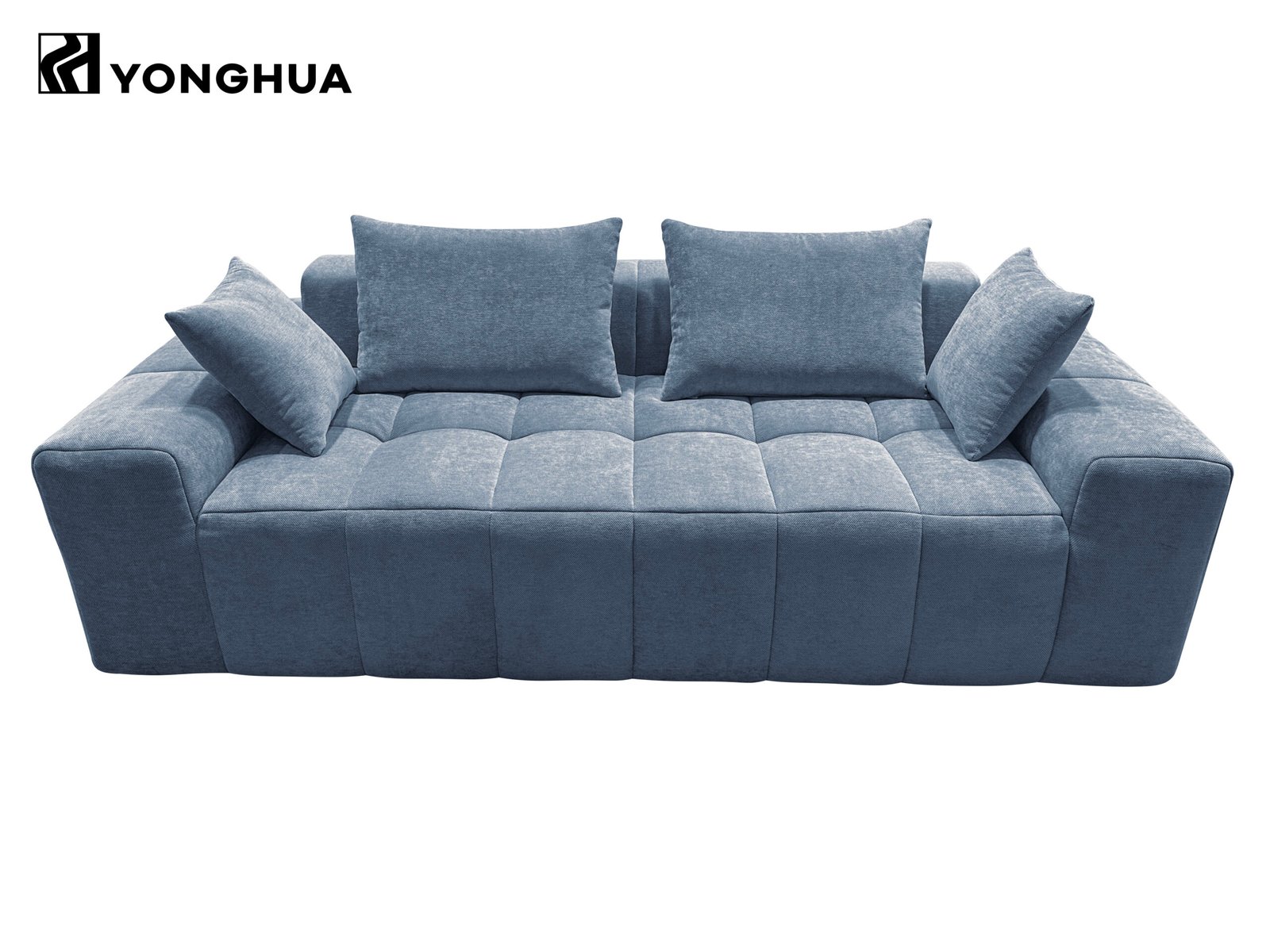
The longevity of a supplier in the market is often a testament to their stability and reliability. Research how long the supplier has been in business and any significant milestones or achievements they have reached. A supplier with a long history is more likely to have refined their processes and built a solid reputation. Additionally, long-standing businesses are often better equipped to handle issues that may arise, providing a more reliable customer experience. Look for any press releases, news articles, or customer testimonials that highlight the supplier’s journey and milestones.
5. Examine Return and Warranty Policies
Return and warranty policies are critical aspects of the purchasing process that can significantly impact your overall experience. Review the supplier’s return and warranty policies to ensure they offer reasonable conditions that protect your interests. A reputable supplier should provide clear and fair return policies, allowing you to return or exchange products within a specified period. Similarly, comprehensive warranty policies that cover manufacturing defects and other issues can provide peace of mind. Be wary of suppliers with vague or overly restrictive policies, as these may indicate a lack of confidence in their products.
6. Investigate Supplier’s Customer Service
Good customer service is a hallmark of a reputable supplier. Test the supplier’s customer service by contacting them with inquiries about their products, policies, or other concerns. Evaluate their responsiveness, helpfulness, and willingness to resolve issues. Prompt and courteous responses are indicative of a supplier that values its customers. Additionally, consider how they handle complex or challenging queries, as this can provide insight into their problem-solving abilities and commitment to customer satisfaction.
7. Seek Recommendations
Personal recommendations can be invaluable when assessing a compressed sofa supplier. Ask for recommendations from industry professionals, interior designers, or friends who have experience with compressed sofa suppliers. These endorsements can provide valuable insights into the supplier’s reputation and product quality. Additionally, industry professionals may have insider knowledge about the supplier’s reliability and customer service, helping you make a more informed decision. Don’t hesitate to reach out to online communities or forums dedicated to home furnishings for additional recommendations.
8. Analyze Social Media Presence
A supplier’s social media presence can offer a wealth of information about their reputation and customer engagement. Examine their profiles on platforms like Facebook, Instagram, and Twitter. Active engagement with followers, prompt responses to inquiries, and positive interactions can reflect a strong reputation. Additionally, look for customer reviews and testimonials shared on social media, as these can provide real-time insights into the supplier’s performance. Social media platforms also allow you to see how the supplier handles customer complaints and feedback, providing further evidence of their commitment to customer satisfaction.
9. Review Business Ratings
Business ratings and reports from organizations such as the Better Business Bureau (BBB) can provide additional insights into a supplier’s trustworthiness and reliability. Check the supplier’s ratings and any reports available through these bureaus. High ratings and accreditation from reputable organizations are strong indicators of a supplier’s commitment to ethical business practices and customer satisfaction. Additionally, review any complaints filed against the supplier, as the way they handle these complaints can offer valuable information about their customer service and reputation.
10. Look for Transparency
Transparency is an essential quality in any reputable supplier. Suppliers who are open about their manufacturing processes, sourcing practices, and business operations tend to be more trustworthy. Check if the supplier provides clear, accessible information about their products, policies, and practices on their website or in their communication. Suppliers that offer transparency demonstrate their commitment to honesty and customer satisfaction. Avoid suppliers who are vague about key aspects of their business, as this can indicate potential issues or a lack of accountability.
By carefully considering these ten factors, you can confidently assess the reputation of a compressed sofa supplier and make an informed purchasing decision. Prioritize suppliers who demonstrate reliability, transparency, and a commitment to customer satisfaction, ensuring you choose a provider that meets your expectations for quality, service, and long-term value.