
How is a Compressed Sofa Manufactured?
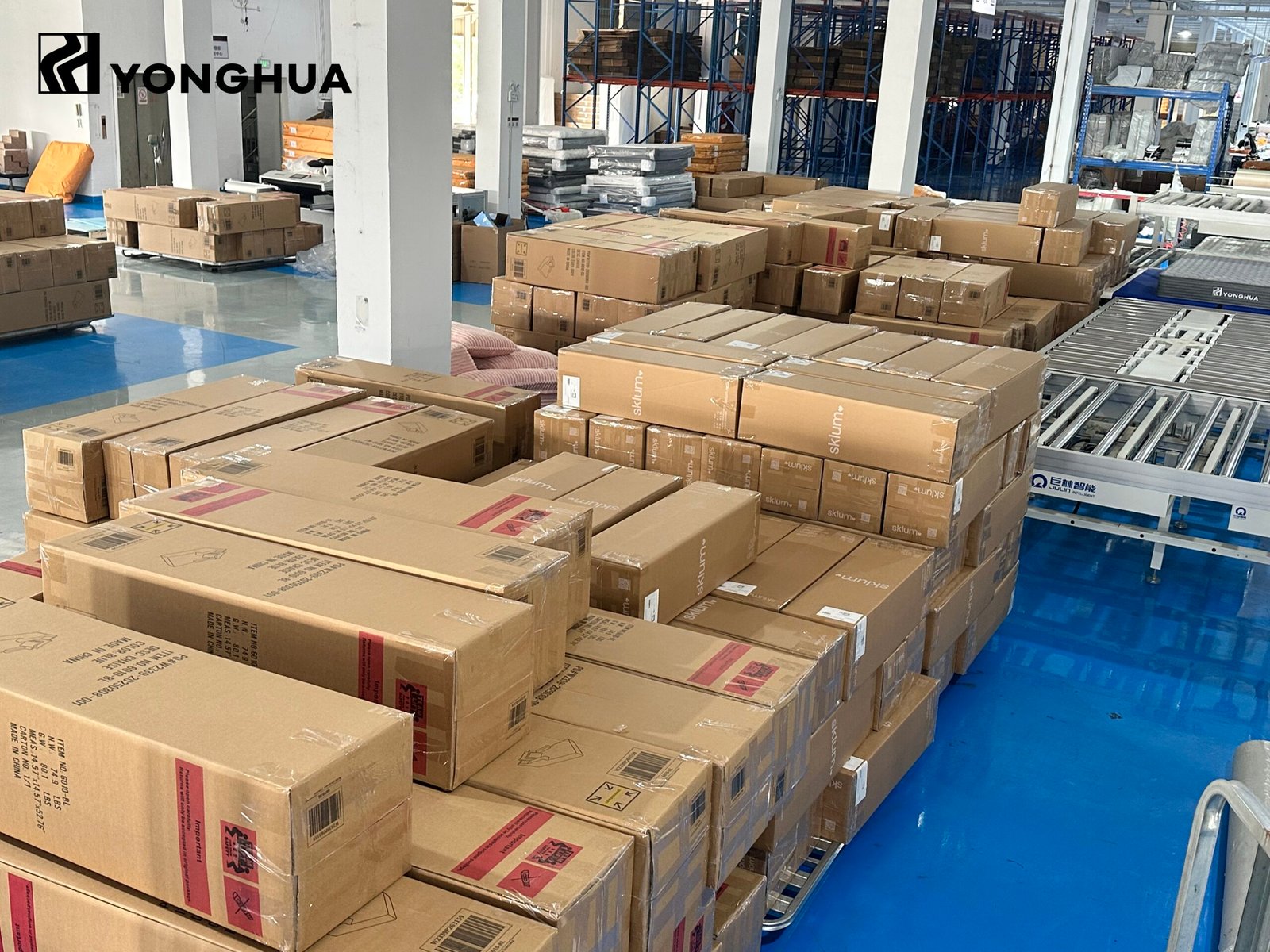
Compressed sofas save on shipping and storage, but do you know how they’re actually made? The process involves serious engineering and craftsmanship.
A compressed sofa is manufactured through a multi-step process that includes material selection, engineering, frame construction, foam shaping, upholstery, assembly, compression, and final packaging.
Understanding this process helps retailers, wholesalers, and designers make informed decisions when sourcing reliable, long-lasting products.
What materials are used to build a compressed sofa?
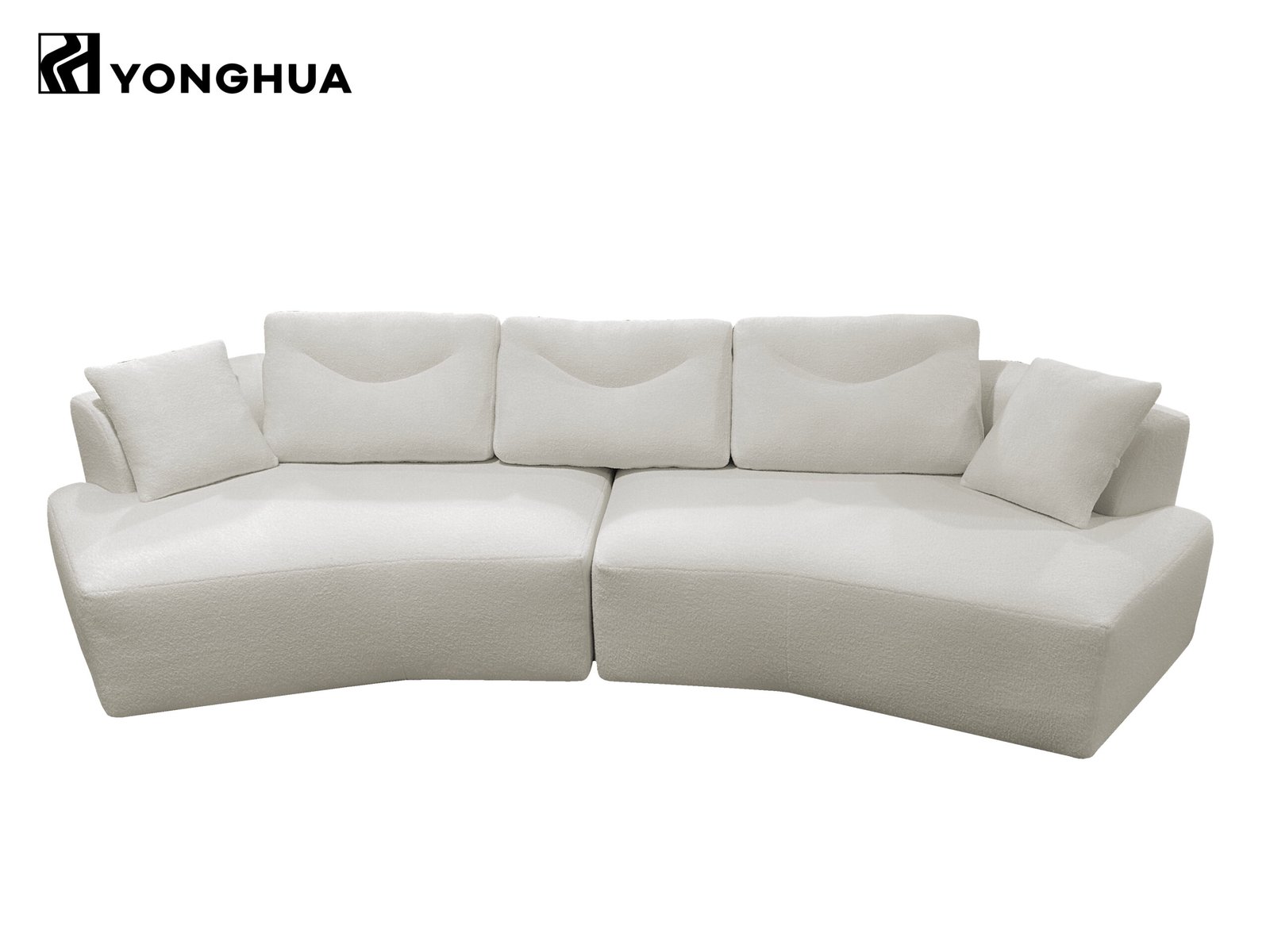
The wrong materials can ruin comfort or break during compression. That’s why this step is non-negotiable.
Manufacturers use high-density foam, durable fabrics or leather, and reinforced frames that can handle the pressure of compression.
Why high-density foam?
High-density foam is crucial. It provides consistent support and snaps back to its shape after compression. Here’s a quick comparison:
| Foam Type | Durability | Compression Recovery | Comfort |
|---|---|---|---|
| High-Density | High | Excellent | Firm |
| Medium-Density | Moderate | Fair | Softer |
| Low-Density | Poor | Weak | Inconsistent |
What about the upholstery?
We use polyester blends, microfiber, or genuine leather depending on the model. These materials pass tensile and abrasion tests, which means fewer returns and better customer reviews.
And the frames?
Most frames are made from kiln-dried wood, steel, or a mix of both. Lightweight yet tough. Joints are glued, stapled, and sometimes bolted.
By picking the right materials, we guarantee that the sofa keeps its shape after compression and long-term use.
How does design and engineering make compression possible?
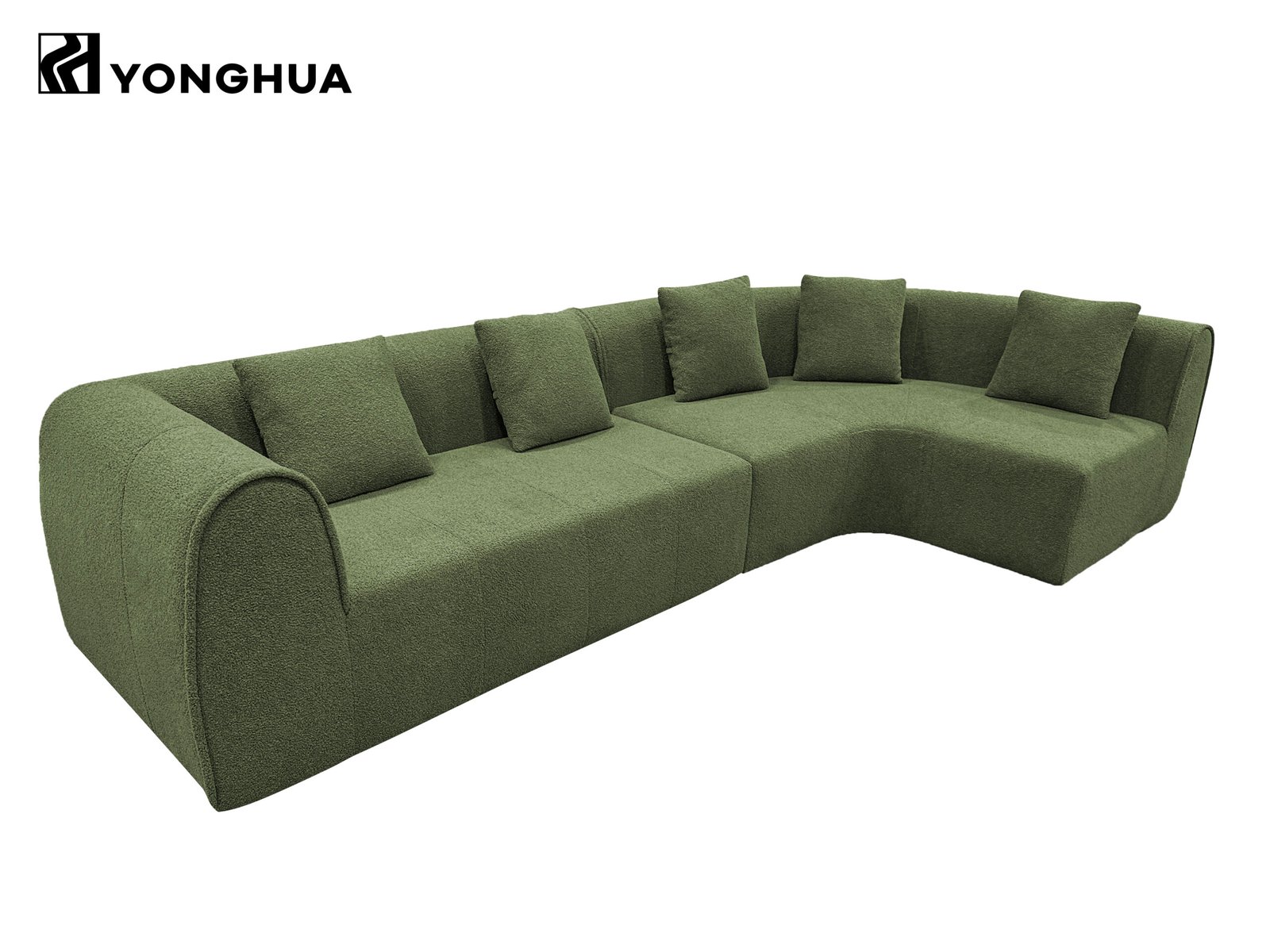
A good design is not just about looks—it’s about survival under pressure.
Using CAD software, engineers simulate compression to adjust stress points and optimize every structural element.
The CAD advantage
Computer-aided design allows us to map out every component. We simulate pressure scenarios to predict what might fail. Then we tweak the frame, foam placement, and tension zones.
Optimizing support structure
We consider:
- Weight distribution: Balancing the load reduces warping.
- Support zones: Backrest and seating areas need reinforced padding.
- Aesthetic constraints: It still has to look good!
This is where design meets functionality. Every design is prototyped, compressed, and tested—then improved.
How is the sofa frame constructed to survive compression?
If the frame cracks, the whole sofa fails. This is why construction matters so much.
Sofa frames are built from wood, metal, or hybrid structures, reinforced at joints to hold shape under compression pressure.
Frame materials comparison
| Material | Pros | Cons |
|---|---|---|
| Plywood | Light, affordable | Weaker if untreated |
| Solid Wood | Strong, natural feel | Heavier, pricier |
| Steel Tubing | Ultra-strong, durable | Requires precise cuts |
Construction techniques
We use mortise-and-tenon or dowel joints. Every joint is glued and stapled. Sometimes, we bolt critical stress points.
Frames are tested with machines that simulate compression cycles. If a prototype doesn’t pass 500 cycles, it goes back to redesign.
How is foam cut and shaped for compressed sofas?
The wrong foam shape leads to weird bulges or loss of support. This step is all about accuracy.
High-density foam is machine-cut and sculpted to fit the sofa’s frame precisely, ensuring comfort and durability after decompression.
Automated foam cutting
CNC foam cutters follow the CAD file. Each piece is labeled, shaped, and checked. Even 1 cm deviation can cause bulges.
Different foams for different zones
| Sofa Area | Foam Type | Density |
|---|---|---|
| Seat Cushion | High Resilience | 40–50D |
| Armrest | Soft PU Foam | 20–25D |
| Back Cushion | Mixed Layered | 30–35D |
Contouring
Some areas get egg-crate surfaces for airflow and comfort. Others are beveled to create a natural sitting shape.
After cutting, foam pieces are stored in a humidity-controlled room to avoid deformation before upholstery.
How is upholstery done for a compressed sofa?
Compression will test every seam. If the stitching is weak, the whole sofa fails.
Upholstery is custom-cut and double-stitched using reinforced thread. Seam placement is planned to avoid stress during compression.
Cutting and stitching
Fabric is pre-shrunk and cut into panels. Our team uses industrial sewing machines with nylon threads that won’t snap easily.
We reinforce high-stress areas like corners and seams with bartack stitches or double-stitch techniques.
Attaching to foam and frame
Once stitched, fabric is pulled tight and glued or stapled onto the foam and frame. We use high-tension pneumatic staplers.
Every piece is tested post-upholstery for seam tension, alignment, and appearance.
How is everything assembled before compression?
Now all the pieces come together. Assembly can’t go wrong or compression will fail.
Foam, frame, and upholstery are assembled into a final unit with strict alignment and fastening standards.
Process overview
- Attach foam to frame using industrial glue
- Install upholstery panels tightly
- Add accessories: legs, brackets, zippers
Final QC
Inspectors check:
- Frame alignment
- Foam consistency
- Seam strength
- Visual defects
If anything’s off, the sofa is flagged for rework. Only perfect units move to compression.
What compression technology is used?
We don’t just squeeze it and hope for the best. It’s all scientific.
Sofas are compressed using hydraulic presses or vacuum technology, maintaining structural integrity through controlled pressure.
Types of compression
| Method | Description | Use Case |
|---|---|---|
| Hydraulic Press | Uses physical pressure | Faster, bulkier |
| Vacuum Seal | Removes air + compresses | Softer models |
Compression time: usually 3–5 minutes.
We monitor pressure levels digitally to prevent over-compression or material fatigue.
How are compressed sofas packaged for shipping?
You can’t ship a compressed sofa like a pizza box. It needs protection.
Once compressed, the sofa is sealed in protective plastic, padded with foam, and boxed with reinforced cardboard or wooden pallets.
Packaging materials
- Inner wrap: Shrink film for air-tight seal
- Padding: Foam corners, plastic bumpers
- Outer box: Triple-wall corrugated board
Every unit is labeled with handling instructions and unboxing steps. We even include QR codes for video guides.
This ensures your customer gets a sofa that decompresses into shape—no surprises.
Conclusion
A compressed sofa is the result of precise design, smart materials, and strict manufacturing—engineered to save space without compromising comfort or durability.