
How Does the Compression Process Work for Sofas?

Ever wondered how a full-size sofa fits inside a box? The secret lies in the compression process—a clever combination of design, materials, and machines.
The sofa compression process reduces the size of a sofa for easier shipping and storage by disassembling, compressing, vacuum-sealing, and carefully packaging the parts for safe delivery and effortless reassembly.
Understanding how it works helps furniture sellers, buyers, and logistics teams make smarter choices in manufacturing and distribution.
What materials are needed for sofa compression to work?
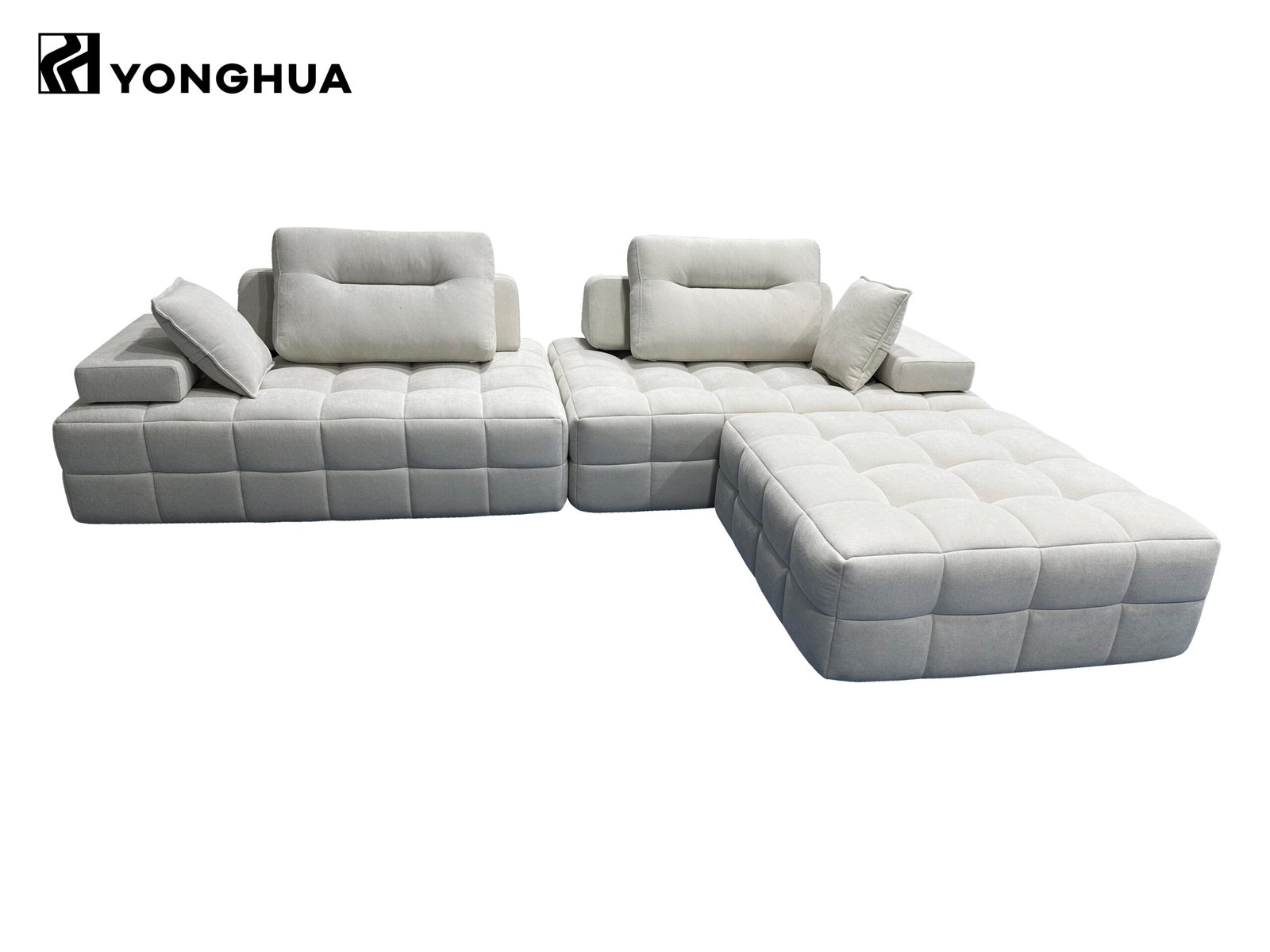
Not all sofas can be compressed. The wrong materials will crack, deform, or fail under pressure.
Compressed sofas use high-density foam, modular frames, and durable fabrics—all selected to survive the pressure and bounce back once unpacked.
Key Materials Used
| Material | Role in Compression |
|---|---|
| High-Density Foam | Retains shape under pressure |
| Modular Frame (Metal/Wood) | Easy disassembly and reassembly |
| Resilient Upholstery | Prevents tears and wrinkles |
Why It Works
- Foam: Compresses evenly and expands back to original form
- Frame: Built in detachable sections for compact storage
- Fabric: Treated to resist damage from folds and vacuum sealing
Without these materials, compression would damage the sofa or make reassembly difficult.
What happens before a sofa is compressed?
You can’t just throw a sofa into a vacuum bag. Proper preparation is key.
Before compression, the sofa is disassembled into parts, cleaned, inspected, and packed into a precise configuration ready for press or vacuum.
Pre-Compression Steps
- Disassemble arms, legs, cushions
- Remove and clean dust, dirt, and loose parts
- Check components for damage or alignment issues
- Organize parts to match compression layout
Cleanliness ensures the fabric stays spotless. Disassembly makes compression more effective and prevents structural stress.
What machines and techniques are used to compress sofas?
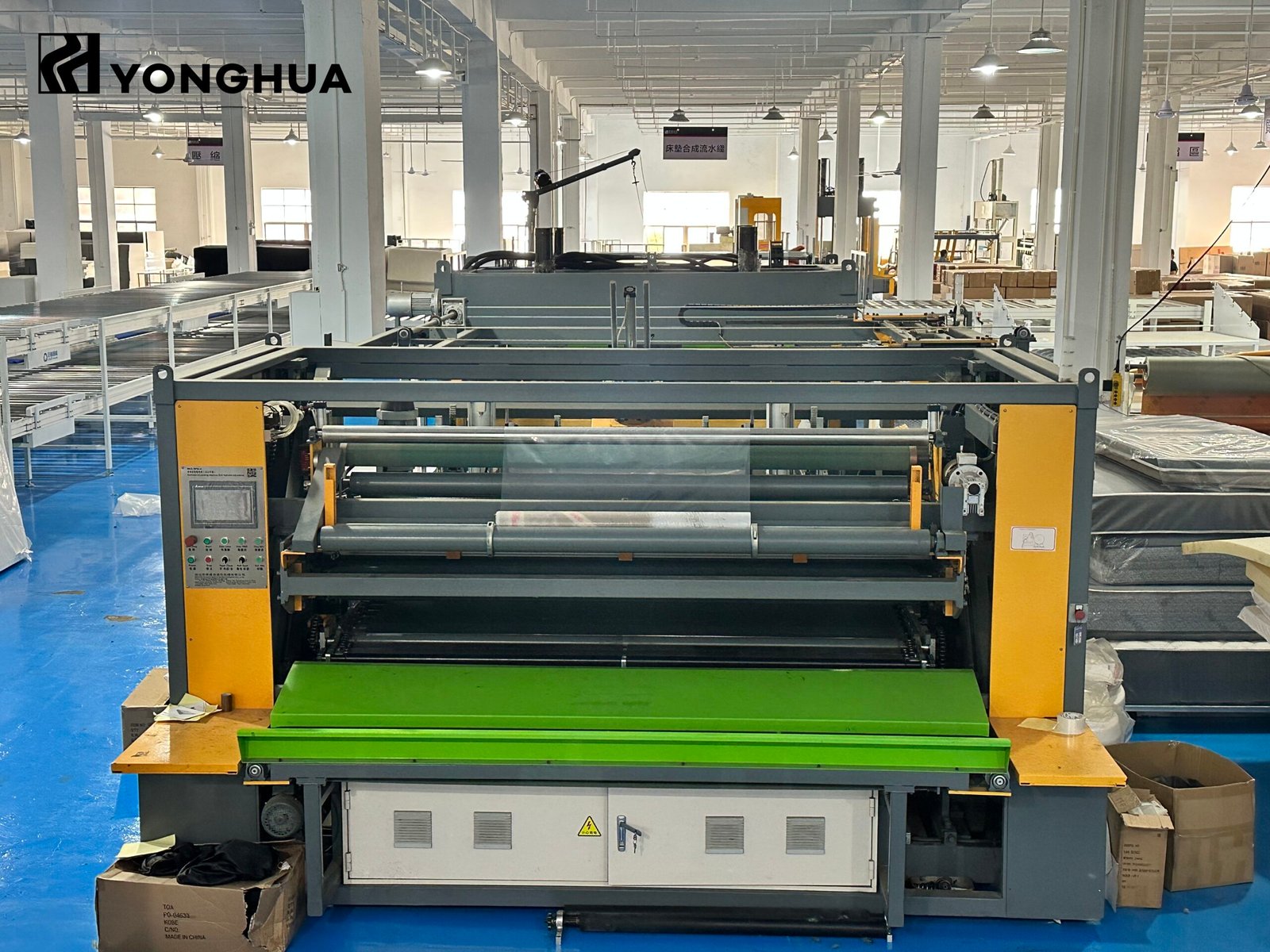
This is where the magic happens. Compression is mechanical, precise, and controlled.
Two main methods are used: hydraulic pressing and vacuum sealing, depending on the sofa’s construction and design.
Compression Techniques
| Technique | Process Overview | Best For |
|---|---|---|
| Hydraulic Press | Exerts vertical pressure using machines | Sofas with stiff frames |
| Vacuum Sealing | Air is removed from sealed bags | Softer or modular designs |
Machinery Used
- Hydraulic press: Compresses using tons of downward force
- Vacuum pump: Extracts air from a sealed bag
- Compression molds: Shape and protect parts during the process
The compression is timed and measured precisely to avoid overpressure and maintain structural integrity.
What safety measures are followed during compression?
High pressure + heavy parts = risk. That’s why safety is never optional.
Sofa compression includes strict safety measures for workers and for the integrity of the product.
Human Safety Protocols
- Gloves, eye protection, and anti-slip shoes
- Only trained technicians operate machines
- Emergency shut-off switches on all equipment
Sofa Safety Measures
- Parts are wrapped in protective film or foam
- Delicate edges reinforced with corner guards
- Compression monitored to avoid breakage
These steps prevent accidents and product loss—keeping the workflow efficient and secure.
How are sofas packaged after compression?
Once it’s compressed, the sofa still needs to travel across cities—or countries.
Compressed sofas are wrapped in shrink film, cushioned, and packed into sturdy boxes or reinforced plastic cases for safe shipping.
Packaging Materials
| Material | Purpose |
|---|---|
| Shrink Wrap | Holds compression and blocks moisture |
| Cardboard Box | Outer shell for structure |
| Foam Corners | Protect high-stress areas |
| Plastic Wrap/Bags | Prevents surface scratches |
Final Packaging Checklist
- Labeled for orientation and unpacking steps
- Shockproof padding added
- Sealed to prevent air inflow
This packaging protects your product through handling, stacking, and long-distance delivery.
How does the sofa decompress and get reassembled?
Once it arrives, the compressed sofa must return to full form—and quickly.
Reassembly involves unpacking, allowing the foam to expand, reconnecting parts, and restoring the sofa to its original shape.
Decompression Steps
- Open outer packaging
- Let foam expand (5–24 hours)
- Reattach frame components using included tools
- Fluff and position cushions
User Experience
- Most setups take 30–45 minutes
- No need for professional tools
- Clear, illustrated manuals provided
For sellers, offering video setup instructions and QR code guides helps ensure customer satisfaction.
Does compression affect the quality of the sofa?
It’s a fair question. If done wrong, compression can cause sagging or warping.
With the right materials and proper process, compression does not harm a sofa’s quality, comfort, or longevity.
Post-Compression Tests
| Test Type | What It Checks |
|---|---|
| Shape Recovery | Does foam return fully? |
| Joint Stability | Are frame connections tight? |
| Upholstery Integrity | Any rips or overstretched fabric? |
Manufacturers run simulations with 100+ compression cycles to confirm durability.
Conclusion
The sofa compression process is a smart blend of engineering, materials science, and logistics—designed to reduce shipping volume without sacrificing comfort or quality.