
How Do Compressed Sofas Save on Shipping Costs?
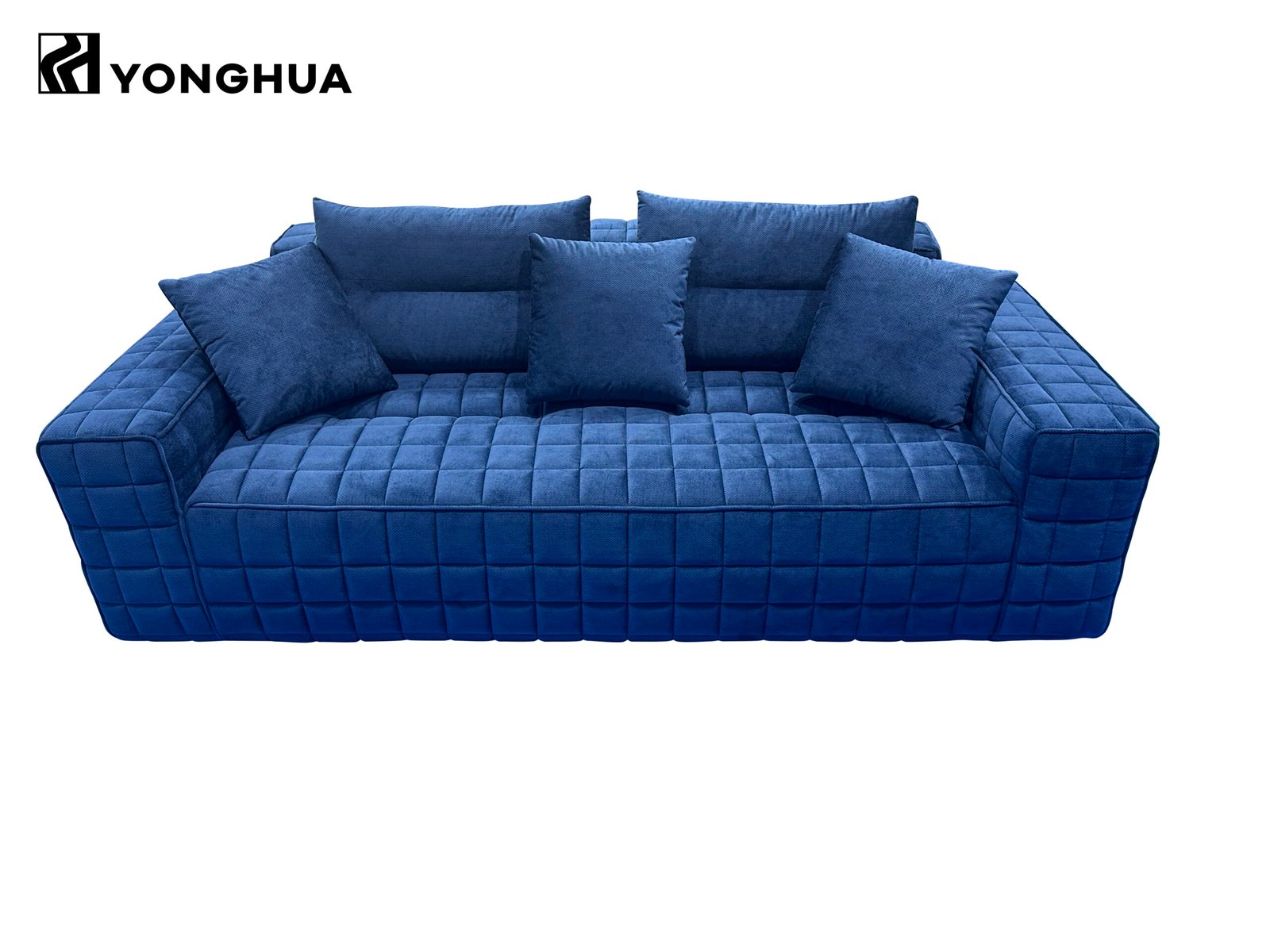
In furniture logistics, cutting costs without sacrificing quality is a constant challenge.
Compressed sofas save shipping costs by reducing size, weight, packaging, and handling—while improving container space use and freight efficiency.
If you’re sourcing or selling sofas online or globally, understanding this can help you stay competitive.
What makes compressed sofas cheaper to ship?
Compressed sofas are revolutionizing the way sofas are moved around the world.
By vacuum-packing and compacting sofas into smaller packages, manufacturers can fit more units per container and pay less per cubic meter.
Whether you’re comparing sofa freight rates or calculating sofa shipment cost breakdown, compressed packaging offers an unbeatable edge.
Let’s break it down further.
1. Reduced Volume
Traditional sofas are bulky and space-wasting. Once compressed, a standard 3-seater can shrink by 50–70% in volume.
This means:
- More units per container
- Fewer containers per shipment
- Lower dimensional weight
If you normally fit 60 traditional sofas in a 40HQ container, you might fit 150–180 compressed ones.
Sofa Shipping Cost Comparison
| Shipping Type | Avg. Units per 40HQ | Cost per Unit (Est.) | Notes |
|---|---|---|---|
| Traditional Sofas | 60 | $70–90 | Bulky, inefficient |
| Compressed Sofas | 150–180 | $25–40 | Compact, optimized |
2. Lower Freight Rates
Freight is usually billed by CBM (Cubic Meters) or dimensional weight.
Because compressed sofas occupy less space:
- They fall under a lower shipping tier
- LCL (less than container load) rates become more affordable
- Air freight, in emergencies, becomes feasible for smaller orders
For DTC e-commerce sellers, that means cheaper fulfillment to end customers.
3. Efficient Container Use
Shipping space is expensive—especially in peak seasons.
Optimizing container fill rate is critical:
- Fewer empty gaps = better profit margins
- Easier to calculate landed costs per unit
- Lower risk of damage due to tighter fit
With compressed sofas, logistics teams can palletize and stack more predictably.
4. Fewer Shipments Needed
Instead of shipping 3 containers, you might only need 1.
That translates to:
- Lower fuel and handling costs
- Reduced customs and port fees
- Faster turnaround time
For wholesale importers, this also means better cash flow and inventory cycles.
5. Less Packaging Material
Because the product is smaller:
- Less foam, cardboard, and tape are needed
- Cartons are right-sized for efficiency
- Less plastic = better for the environment
Over time, this adds up to major savings.
6. Lower Warehouse and Labor Costs
Warehouses can store more compressed sofas in the same square footage:
- Reduced storage rental fees
- Easier picking and sorting
- Fewer staff needed for handling bulky items
Compressed sofas also speed up fulfillment—fewer touches, faster prep, faster ship.
How does this benefit you as a buyer or distributor?
If you’re buying from our HSM factory:
- We help you optimize container loads
- You can sell in smaller MOQs and get better shipping rates
- You save on end-to-end logistics, from China to your warehouse
That’s why over 100+ countries trust us to supply their online and offline sofa business.
Conclusion
Compressed sofas dramatically cut shipping costs by shrinking what used to be unshrinkable.
Whether you’re an e-commerce brand, wholesaler, or retail chain—this is the smarter way to move sofas.
FAQ: Sofa Freight Costs
Q1: What’s the average freight cost for a 3-seater sofa from China?
A: For traditional sofas, it’s around $70–90 per unit. Compressed sofas lower it to $25–40 depending on destination.
Q2: Can I mix different sofa styles in one container?
A: Yes, especially with compressed sofas. You can combine models without wasting space.
Q3: Are compressed sofas safe during long-distance shipping?
A: Absolutely. With proper vacuum-sealing and palletizing, compressed sofas are highly secure in transit.
📦 Want to reduce your sofa shipping costs by 30–50%?
👉 Contact our team to get a custom freight optimization quote today.