
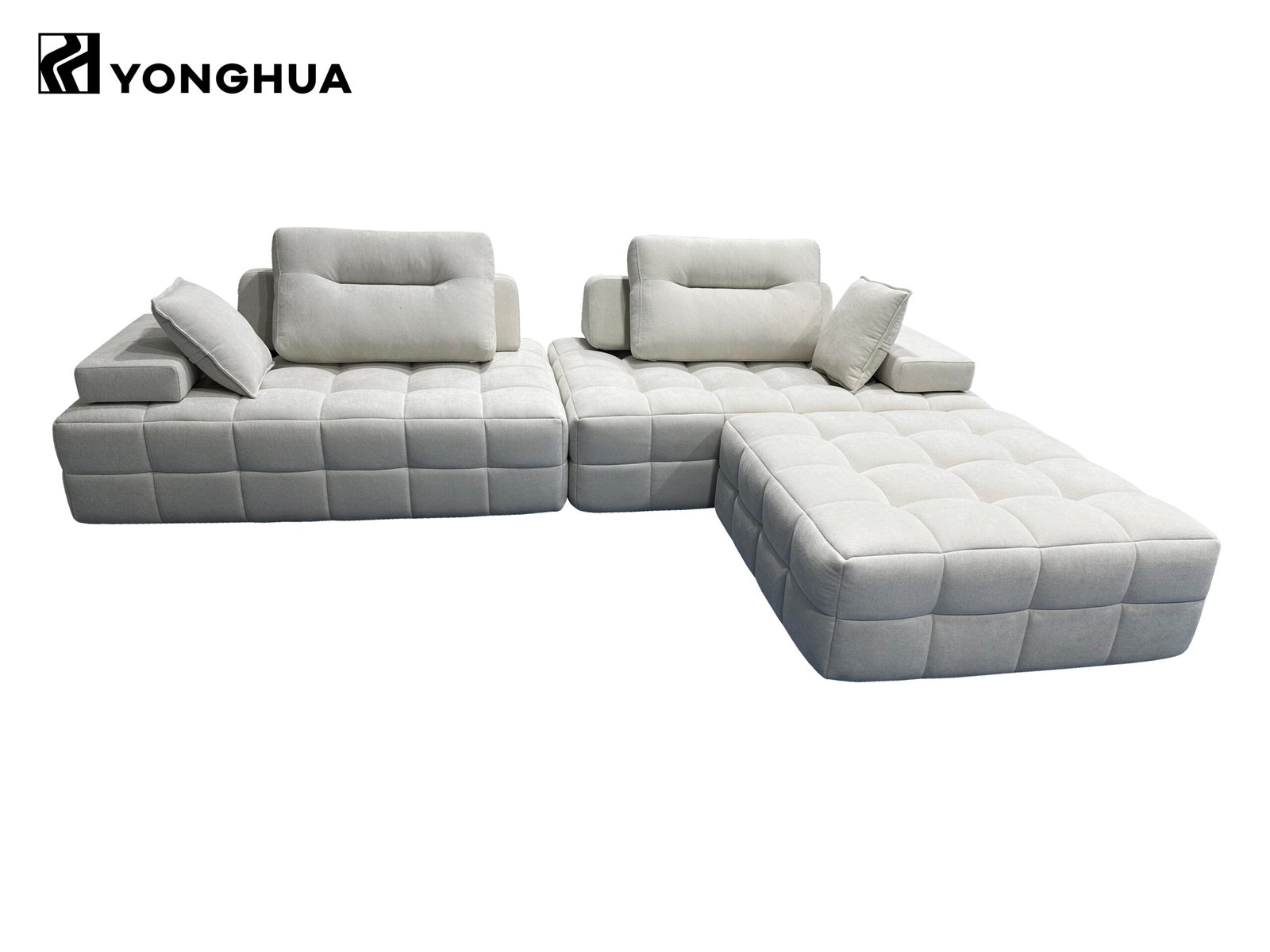
Modern sofa buyers demand not just beauty and comfort, but verified safety and quality.
Compressed sofa suppliers who meet international standards build trust, open markets, and protect customers.
Compressed sofa suppliers meet international standards through strict material testing, certified production processes, regulatory compliance, and continuous improvement systems.
Why Are International Standards Critical for Compressed Sofa Suppliers?

Customers want:
- Safe products
- Consistent quality
- Ethical manufacturing
- Sustainable sourcing
Suppliers must meet global standards like ISO, EN, ASTM, and BIFMA to enter markets like North America, Europe, and beyond. Let’s break it down.
How Do Suppliers Select and Test Materials?
Compressed sofa suppliers focus first on safe, certified materials.
They check:
- Foam: Must pass flame-retardant standards (eg. CA TB117-2013, BS5852).
- Frames: Use FSC-certified wood for sustainability.
- Fabrics: Test for color fastness, tear strength, and chemical safety (eg. REACH regulation compliance).
| Material | Standard Checked | Why Important |
|---|---|---|
| Foam | Fire Safety (TB117-2013) | Prevent fire risks |
| Wood | FSC Certification | Promote responsible forestry |
| Fabric | REACH Testing | Avoid toxic chemicals |
Testing happens in internal labs or third-party certified labs before sofas move to production.
How Do They Control the Production Process?
Leading suppliers implement certified systems like:
- ISO 9001 (Quality Management System) to standardize production
- Lean Manufacturing to reduce defects and waste
- Six Sigma for continuous process improvement
Factories document every step:
- Material inspection
- Machine settings
- Assembly checks
- Final product audits
They keep detailed logs for traceability—if something goes wrong, they know exactly where to fix it.
How Do They Ensure Compliance with Export Standards?
Different countries = different rules.
Compressed sofa suppliers must meet:
- CFR 1633 (USA): Flammability of mattresses and mattress sets (many sofa beds must comply)
- EN12520 (Europe): Strength, durability, and safety of domestic seating
- BS5852 (UK): Fire safety for upholstered furniture
To pass, suppliers:
- Partner with certified testing agencies (like SGS, TÜV)
- Conduct pre-shipment testing
- Maintain up-to-date compliance certifications for each market
Without compliance, goods get rejected at customs, causing massive losses.
How Are Packaging and Compression Processes Regulated?
Good suppliers don’t just focus on the sofa—they also certify their packaging and compression processes.
Key steps:
- Compression Testing: Simulate shipping pressures and recoverability.
- Package Drop Testing: Ensure packaging protects sofas during rough handling.
- Vacuum Seal Quality Checks: Prevent moisture, dust, and pest issues.
| Test Type | Purpose | How Often Conducted |
|---|---|---|
| Compression Simulation | Test structure recovery after compression | Per production batch |
| Drop Test | Protect sofa in real-world shipping | Per container type |
| Moisture Resistance | Ensure vacuum seal quality | Monthly random sampling |
Without these controls, compressed sofas can arrive damaged, leading to returns and refunds.
How Do They Guarantee Sustainable and Ethical Production?
Today’s best suppliers are proactive on sustainability:
- Use recycled fabrics and eco-foams.
- Implement ISO 14001 (Environmental Management System).
- Provide BSCI or SEDEX audits showing fair labor practices.
They show eco and social compliance certificates to prove:
- No child labor
- Safe working conditions
- Environmental impact reduction
Consumers, especially in Europe and North America, demand green, ethical products more than ever.
How Do They Manage Quality Control Inspections?
Top factories use multi-stage inspections:
- Incoming raw materials check
- In-process inspections during sofa assembly
- Final inspection after compression and packing
- Pre-shipment third-party inspection if required
Checklists cover:
- Dimensions
- Stitching strength
- Frame stability
- Cushion recovery speed
- Packaging integrity
Most suppliers score each batch internally and share inspection reports with buyers.
How Do They Handle Certifications and Documentation?
Every good compressed sofa supplier maintains a library of updated certificates:
- Fire test certificates
- Fabric test reports
- Frame and foam durability reports
- ISO system certificates
- Country-specific compliance docs (e.g., USA CFR, EU EN)
Before shipping, suppliers send:
- CO (Certificate of Origin)
- Test reports
- Compliance declarations
- Packing lists detailing compressed size and weight
You can easily check their compliance before payment—no surprises later.
How Do They Invest in Continuous Improvement?
To stay globally competitive, compressed sofa suppliers invest in:
- New material research (lighter foams, stronger fabrics)
- Safer compression techniques
- More eco-friendly packaging solutions
- Smarter ERP systems for full traceability
Top suppliers hold monthly quality review meetings, update procedures, and train their workers.
Innovation + compliance = world-class compressed sofas.
Conclusion
Compressed sofa suppliers who meet international standards don’t just protect their buyers—they protect their brands and grow globally.
Their commitment to:
- Certified materials
- Controlled production
- Regulatory compliance
- Ethical responsibility
- Continuous innovation
sets them apart and makes them reliable long-term partners.