
Introduction
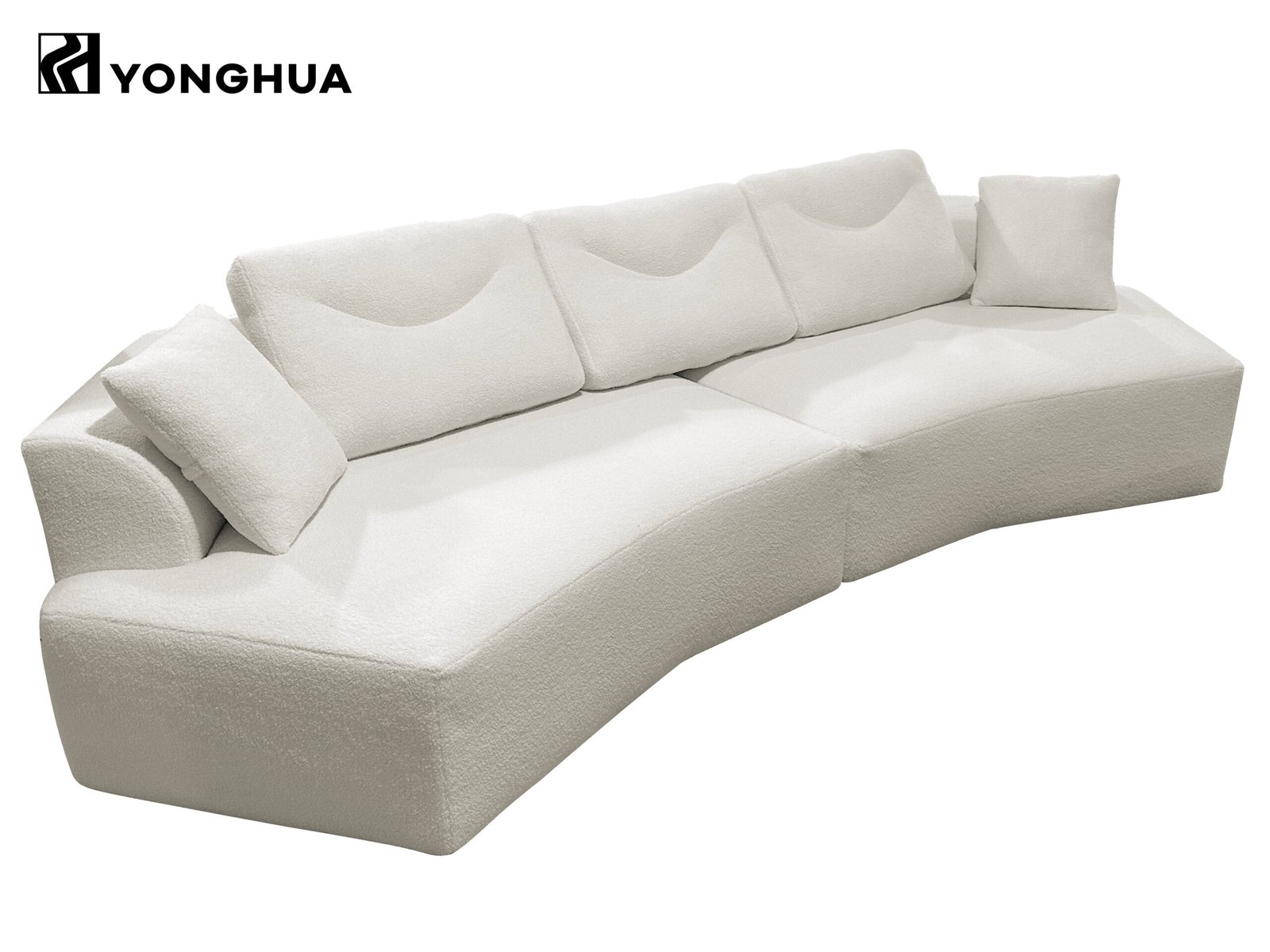
The home furnishing industry is evolving rapidly, driven by innovative approaches tailored to modern living requirements. Among these advancements, compressed sofa suppliers are significantly influencing how we purchase and perceive furniture. This article examines the innovative techniques, cost efficiency, space-saving solutions, sustainability, ease of assembly, variety, market trends, and technological advancements that position compressed sofa suppliers as leaders in the transformation of home furnishing.
Innovative Manufacturing Techniques
Compressed sofa suppliers are revolutionizing the industry with cutting-edge manufacturing methods. Key techniques include:
-
Vacuum Packing: This process compresses sofas into compact packages by removing air, reducing packaging size. The benefits include lower shipping costs and reduced environmental impact.
-
Modular Design: Sofas are constructed from individual components, allowing for flexibility in shipping and customization. Consumers can mix and match parts to suit their needs.
These advancements ensure compressed sofas meet demands for efficiency, convenience, and sustainability, setting new industry standards.
Cost Efficiency and Affordability
Compressed sofas offer significant cost advantages. By minimizing shipping and storage expenses, these products lower consumer prices without compromising quality. For suppliers, the reduced overhead supports greater profitability and innovation investment.
Affordable compressed sofas democratize stylish home furnishing, appealing particularly to young professionals, students, and families seeking budget-friendly solutions.
Space-Saving Solutions
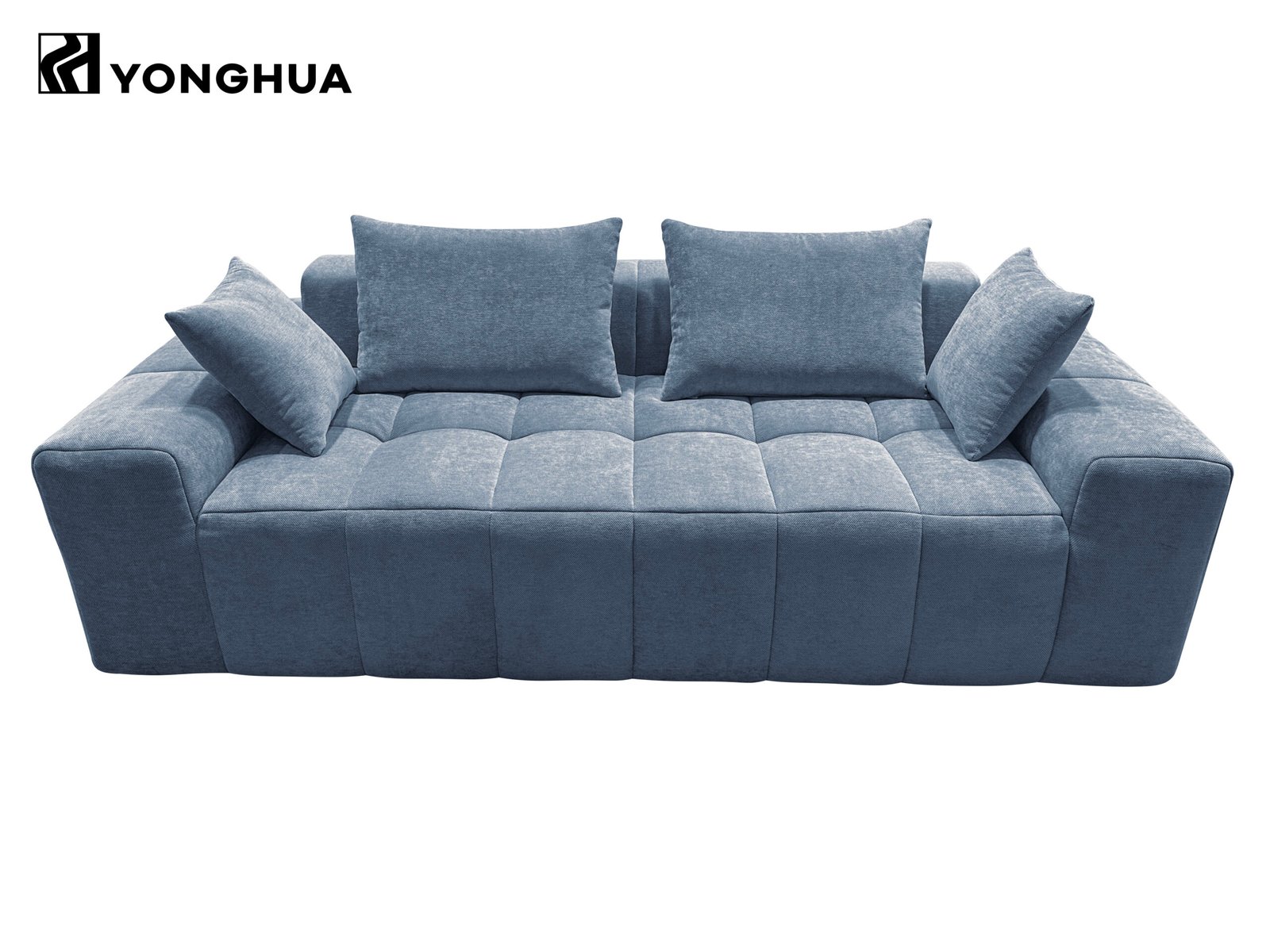
Urban living often presents the challenge of limited space. Compressed sofas provide practical solutions:
- Compact Packaging: Easier transportation and storage make these sofas ideal for apartments and small homes.
- Modular Adaptability: Components can be rearranged to maximize space and meet specific needs, offering both functionality and flexibility.
These attributes make compressed sofas indispensable for modern, space-conscious living.
Sustainability and Environmental Impact
Compressed sofas contribute to environmental conservation through:
- Lower Carbon Emissions: Smaller packages mean fewer transportation-related emissions.
- Eco-Friendly Materials: Many suppliers use sustainable fabrics and recycled materials in both sofas and packaging.
This focus on sustainability aligns with increasing consumer demand for eco-conscious products, making compressed sofas a responsible and stylish choice.
Ease of Assembly
Designed for user convenience, compressed sofas eliminate the need for professional assembly. Features include:
- Tool-Free Setup: Most models require no tools, making assembly straightforward.
- User-Friendly Instructions: Clear guides enhance the consumer experience.
This simplicity benefits renters, students, and frequent movers, adding to the overall appeal of compressed sofas.
Variety and Customization
Compressed sofas cater to diverse tastes with extensive options in design, color, and material. Customization features allow consumers to tailor their sofa’s appearance and configuration to personal preferences, ensuring each product is unique and suitable for various interior aesthetics.
Market Trends and Consumer Preferences
Shifting consumer priorities and market trends underscore the success of compressed sofas:
- Urbanization and Smaller Spaces: Compact furniture aligns with the needs of urban dwellers.
- Focus on Affordability and Style: Consumers prioritize cost-effective, attractive solutions.
- Sustainability Awareness: Demand for eco-friendly products drives adoption of compressed sofas.
The rise of compressed sofa suppliers reflects a broader evolution in the furniture industry, emphasizing practicality, affordability, and sustainability.
Technological Advancements and Future Prospects
Innovations in manufacturing and distribution continue to shape the trajectory of compressed sofas. Advances in automation and AI-driven design enhance efficiency and customization. As technology progresses, suppliers are poised to offer even more personalized, eco-conscious, and space-saving solutions.