
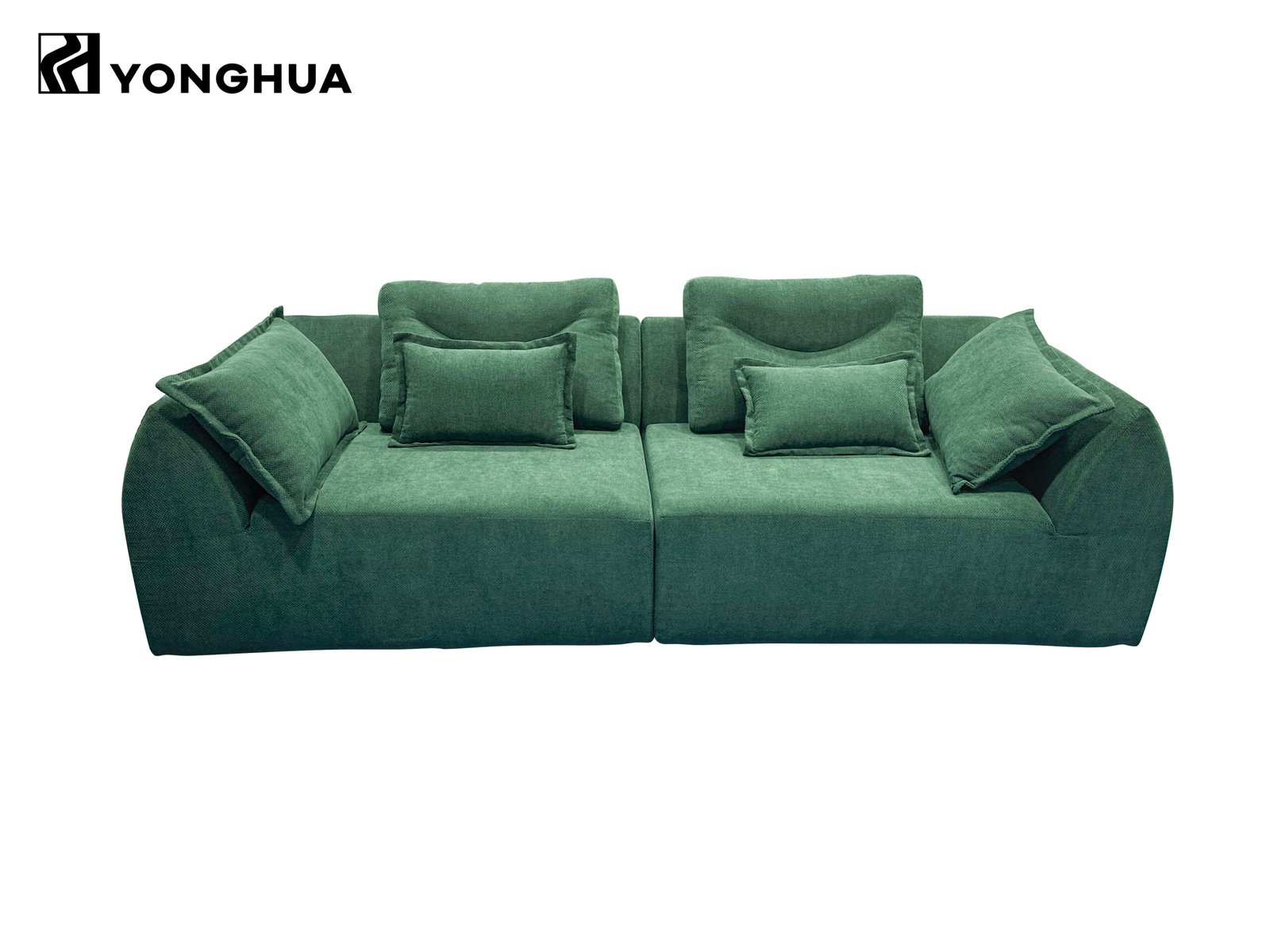
Choosing between a compressed sofa supplier and a traditional sofa manufacturer?
It’s more than just packaging—it’s about design, cost, logistics, and customer experience.
Here’s a clear breakdown.
How Does the Product Design Differ?
Compressed sofas are designed for efficiency:
- Modular, lightweight, and flexible
- Built to be compressed, vacuum-packed, and bounce back to full shape
Traditional sofas focus on luxury and craftsmanship:
- Heavy solid wood frames
- Thick, non-compressible cushioning
- Focus on prestige and traditional aesthetics

Summary: Compressed = functional and mobile. Traditional = grand and permanent.
What Materials Are Used?
Compressed Sofa Suppliers:
- High-density foam for shape recovery
- Flexible fabrics that resist wrinkling
- Lightweight frames (engineered wood, aluminum)
Traditional Sofa Manufacturers:
- Solid wood (like oak, birch) for heavy, strong frames
- Thick upholstery (leather, heavy woven fabric)
- Springs and coils for luxury comfort
| Supplier Type | Main Materials | Focus |
|---|---|---|
| Compressed Sofa | Foam, engineered wood, microfiber | Lightness and recovery |
| Traditional Sofa | Hardwood, coil springs, leather | Heaviness and durability |
How Are They Shipped?
Compressed sofas:
- Flat-packed or vacuum-sealed in small boxes
- Lower shipping costs
- Easier for online direct-to-door delivery
Traditional sofas:
- Fully assembled and bulky
- Require truck freight shipping
- Higher risk of damage and higher shipping fees
How Is Assembly Different?
Compressed Sofa:
- DIY assembly at home
- Tool-free or minimal tools
- Clear instructions (set up in minutes)
Traditional Sofa:
- Delivered fully assembled
- No setup required, but hard to move around
Tip: Customers today often prefer the "setup yourself" model to save on costs.
Environmental Impact: Which Is Better?
Compressed sofas are more eco-friendly because:
- Smaller packaging → less waste
- More sofas per shipment → lower CO₂ emissions
Traditional sofas:
- Heavier packaging
- Higher fuel use during transportation
As green shopping trends rise, compressed sofas appeal to eco-conscious buyers.
How Do Costs Compare?
Compressed sofas generally cost 30–50% less than traditional sofas, because:
- Lower materials cost
- Cheaper shipping
- Fewer handling fees
Traditional sofas are premium-priced because:
- More expensive materials
- Hand craftsmanship
- Higher shipping and warehouse costs
Key: Compressed sofas offer better affordability for mass e-commerce sales.
How About Durability?
Compressed sofas:
- Built for moderate daily use
- High-quality models can last 5–8 years
Traditional sofas:
- Built to last 10–15 years
- More resistant to sagging or frame failure
If durability is a top concern and budget is high, traditional may still win.
But many modern compressed sofas now offer 5-year warranties!
Who Is Buying Which?
Compressed sofas are popular with:
- Millennials and Gen Z buyers
- Urban dwellers (small apartments)
- Online shoppers who prioritize convenience and affordability
Traditional sofas are preferred by:
- Older homeowners
- Buyers furnishing luxury homes
- Customers who value heirloom-quality furniture
Customization and Design Options?
Compressed sofa suppliers increasingly offer:
- Custom fabric choices (cotton, velvet, leatherette)
- Modular configurations (add chaise lounge, extra seats)
- Color and firmness selections
Traditional sofa makers offer:
- Fully bespoke options (every size, trim, stitch, and fabric)
- Often involve longer lead times (6–12 weeks)
Compressed sofa suppliers are catching up fast, especially for online DTC brands.
Conclusion
| Aspect | Compressed Sofa Supplier | Traditional Sofa Manufacturer |
|---|---|---|
| Design | Modular, compact | Bulky, classic |
| Shipping | Flat-pack, low cost | Truck freight, high cost |
| Assembly | DIY at home | Ready to use |
| Cost | Budget-friendly | Expensive |
| Durability | Moderate (5–8 years) | High (10–15 years) |
| Environmental Impact | Low | Higher |
| Customization | Good (fast options) | Excellent (slow, full bespoke) |