
How Compressed Sofa Suppliers Ensure Consistent Quality
In the competitive world of furniture manufacturing, compressed sofa suppliers stand out by adhering to rigorous quality standards and innovative practices. These suppliers understand that the success of their products hinges on the meticulous selection of materials, advanced manufacturing techniques, stringent quality control processes, comprehensive employee training, and standardized production protocols. By focusing on these key aspects, they ensure that their sofas not only meet but exceed customer expectations. This article delves into the detailed processes that compressed sofa suppliers follow to guarantee the highest quality in their products, from material selection to continuous improvement programs.
Rigorous Material Selection
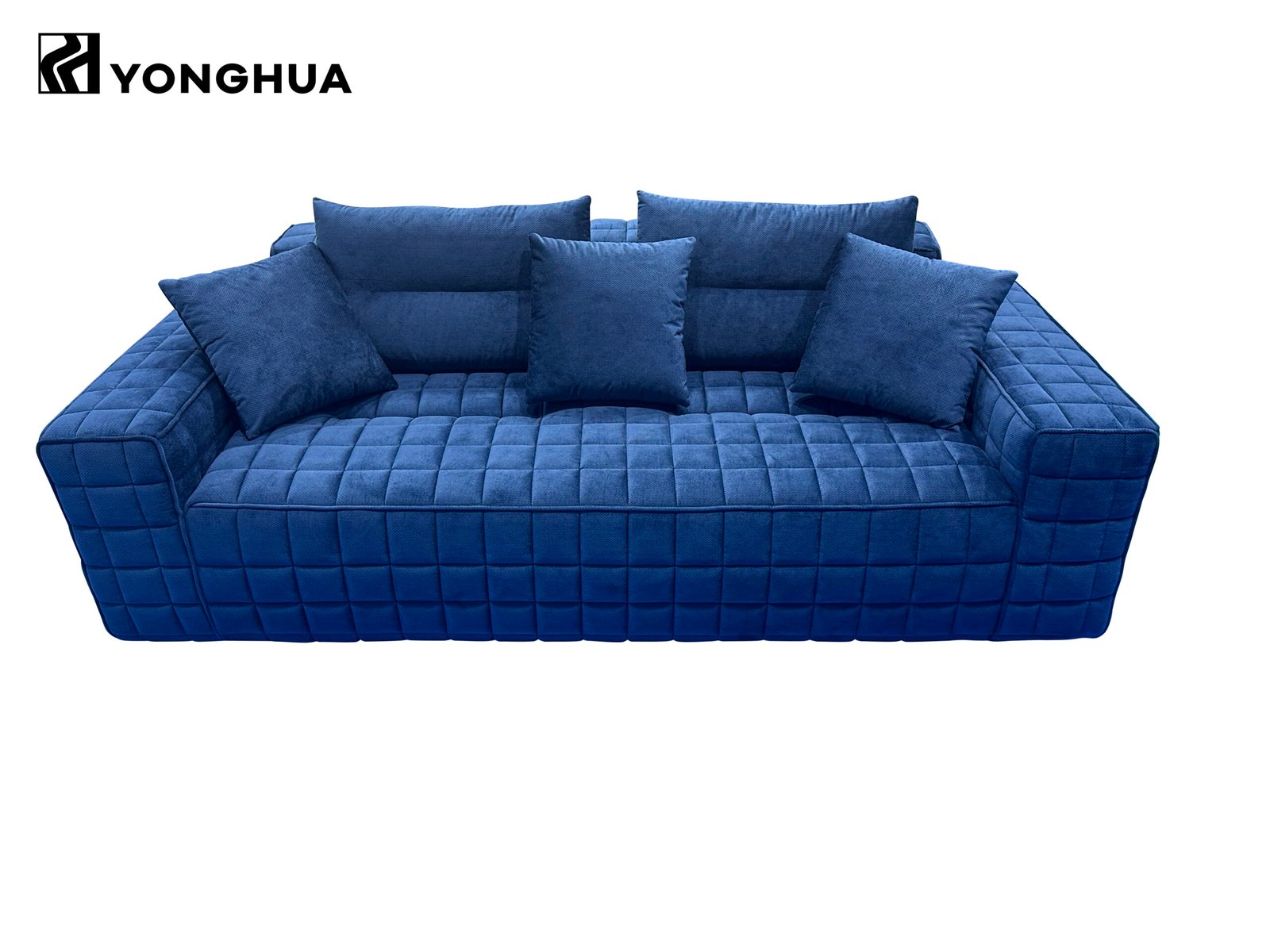
The journey to creating a high-quality compressed sofa begins with the selection of raw materials. Suppliers prioritize sourcing durable fabrics, sturdy frames, and resilient foams that can withstand the rigors of daily use. They often collaborate with trusted vendors who have a proven track record of delivering top-notch materials. This partnership is crucial as it forms the foundation of the product’s quality.
To ensure that each material meets stringent standards, suppliers conduct thorough inspections. These inspections involve evaluating the physical properties of the fabrics, such as their tensile strength, abrasion resistance, and colorfastness. Frames are scrutinized for their structural integrity and ability to support weight without warping or breaking. Foams are tested for their density, compression resistance, and longevity. By meticulously assessing these materials, suppliers can confidently select components that will contribute to the overall durability and comfort of the finished product.
Advanced Manufacturing Techniques
Once the materials are selected, the manufacturing process begins, employing state-of-the-art techniques to ensure consistent quality. Precision cutting is a critical step, where computer-controlled machinery cuts fabrics and foams to exact specifications. This automation minimizes human error and ensures uniformity across all pieces.
Automated sewing machines take over the task of stitching the cut fabrics, maintaining consistent stitch quality and reducing the likelihood of defects. These machines are programmed to handle various types of fabrics, ensuring that seams are strong and aesthetically pleasing. Computer-controlled machinery also plays a role in assembling the frames, where components are joined with precision to create a sturdy structure.

These advanced manufacturing techniques not only enhance the quality of the sofas but also streamline the production process, making it more efficient and cost-effective. By leveraging technology, suppliers can produce sofas that meet high standards while minimizing waste and maximizing productivity.
Quality Control Processes
Quality control is an integral part of the production process, involving multiple checkpoints to identify and address issues early on. Inspections are conducted at various stages, such as post-cutting, pre-upholstery, and final assembly. These checkpoints are designed to catch any defects or inconsistencies before they become part of the finished product.
Post-cutting inspections focus on ensuring that the cut materials meet the required dimensions and quality standards. Any discrepancies are addressed immediately to prevent them from affecting subsequent stages. Pre-upholstery inspections involve checking the assembled frames and foams for any structural issues or imperfections. This stage is crucial as it sets the foundation for the final product’s comfort and durability.
Final assembly inspections are the last line of defense, where the fully assembled sofas are examined for any defects. This includes checking the upholstery, seams, and overall appearance. Any issues identified at this stage are rectified before the sofas are packaged and shipped to customers. By implementing these quality control processes, suppliers can ensure that each sofa meets their high standards of excellence.
Employee Training and Expertise
The quality of a compressed sofa is not solely dependent on materials and machinery; it also relies on the expertise of the workers involved in its production. Suppliers invest in comprehensive training programs to ensure that all employees are skilled and knowledgeable about quality standards and production techniques. These programs cover various aspects of manufacturing, from material handling to machine operation and quality control.
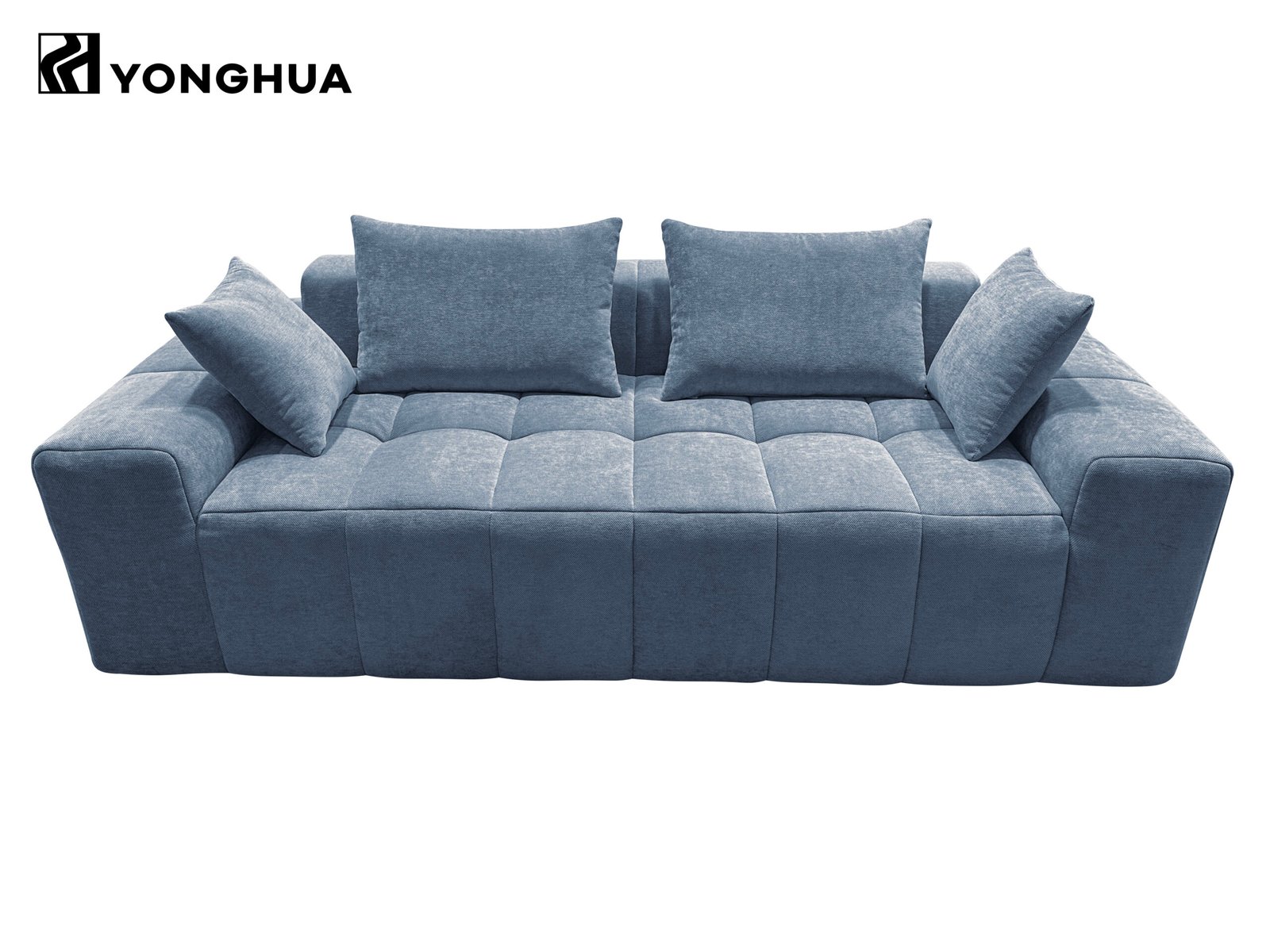
Experienced craftsmen often oversee critical stages of the manufacturing process, bringing their expertise to bear on tasks that require a keen eye and steady hand. Their involvement ensures that any potential issues are identified and addressed promptly, maintaining the integrity of the production process.
By fostering a culture of continuous learning and improvement, suppliers empower their employees to contribute to the overall quality of the products. This investment in human capital is a key factor in achieving consistent excellence in compressed sofa manufacturing.
Standardized Production Protocols
Consistency is paramount in manufacturing, and standardized production protocols play a crucial role in achieving it. Suppliers establish detailed guidelines for every aspect of production, including assembly, upholstery, and packaging. These protocols ensure that all employees follow the same procedures, minimizing variability and enhancing quality.
Assembly protocols outline the steps for joining frame components, ensuring that each connection is secure and precise. Upholstery guidelines specify the techniques for attaching fabrics to the frames, maintaining consistent tension and alignment. Packaging protocols detail the methods for wrapping and protecting the finished sofas, safeguarding them during transit.
By adhering to these standardized protocols, suppliers can maintain a high level of consistency across all products. This consistency translates to reliable quality, giving customers confidence in the durability and performance of their sofas.
Regular Audits and Inspections
Maintaining high-quality standards requires ongoing vigilance, and regular audits and inspections are essential for this purpose. Suppliers conduct both internal and external audits to ensure that their processes comply with industry regulations, company policies, and quality benchmarks. Internal audits help suppliers monitor their own processes, while external audits provide an objective assessment of their performance.
Regular inspections ensure that suppliers remain vigilant about quality, continuously refining their processes to meet evolving standards. This commitment to regular audits and inspections helps suppliers maintain the integrity of their products and build trust with their customers.
Customer Feedback Integration
Customer feedback is invaluable in refining products and processes. Suppliers actively seek and integrate feedback from customers to understand their needs and address any quality concerns. They monitor reviews, conduct surveys, and engage with customers to gather insights into their experiences. This feedback is then used to make informed decisions about product improvements and process adjustments. By prioritizing customer feedback, suppliers can ensure that their sofas meet the expectations of their target audience, enhancing customer satisfaction and loyalty.
Stress Testing and Durability Assessments
To ensure the longevity and performance of compressed sofas, suppliers conduct rigorous stress testing and durability assessments. These tests simulate real-world usage conditions, verifying that the sofas can withstand daily wear and tear. Stress testing involves subjecting the sofas to various forms of pressure and strain, while durability assessments evaluate their resistance to common issues such as sagging, tearing, and fading. By conducting these tests, suppliers can identify potential weaknesses and make necessary adjustments to enhance the durability of their products.
Environmental and Safety Standards Compliance
Environmental and safety standards are crucial in the production of compressed sofas. Suppliers adhere to regulations and certifications such as ISO 9001 to ensure their products are safe and environmentally responsible. They use non-toxic materials and sustainable practices, minimizing their impact on the environment. Compliance with safety standards ensures that the products meet safety regulations and offer peace of mind to customers.
By aligning with these standards, suppliers not only improve their products but also contribute to sustainable practices within the furniture industry. This adherence to environmental and safety standards further enhances the reputation of the brand and ensures the safety of consumers.