
In the contemporary furniture market, compressed sofas have emerged as a popular choice for consumers seeking convenience, style, and sustainability. As the demand for these innovative products grows, suppliers are constantly adapting to meet evolving consumer preferences and market trends. This article delves into ten key aspects of the compressed sofa industry, from market research and product design to advanced manufacturing techniques and strategic partnerships, providing a comprehensive overview of how suppliers navigate this dynamic landscape.
Market Research and Analysis
Conducting thorough market research is fundamental for compressed sofa suppliers to understand and anticipate consumer preferences, trends, and demands. By leveraging data analytics and customer feedback, suppliers can gain valuable insights into what features and designs resonate with their target audience. Surveys, focus groups, and social media monitoring are some of the tools used to gather this information. Data analytics enables suppliers to identify patterns and predict future trends, ensuring that their product offerings remain relevant and appealing.
Moreover, customer feedback plays a crucial role in shaping product development. Suppliers actively seek input from consumers regarding comfort, aesthetics, and functionality. This feedback is then used to refine existing products and develop new ones that better meet consumer needs. By staying attuned to market dynamics, suppliers can maintain a competitive edge and foster customer loyalty.
Innovative Product Design
Innovation in product design is a cornerstone of the compressed sofa industry. Suppliers strive to create sofas that not only meet the functional needs of consumers but also enhance their living spaces with modern aesthetics. Multifunctionality is a key trend, with sofas designed to serve multiple purposes, such as transforming into beds or storage units. This versatility appeals to consumers who seek practical solutions for small living spaces.
Ergonomic features are another critical aspect of innovative design. Suppliers prioritize comfort and support, incorporating elements like adjustable backrests and memory foam cushions. These features cater to the growing demand for furniture that promotes well-being and relaxation. Additionally, contemporary designs often reflect minimalist and sleek styles, aligning with current interior design trends.
Sustainable Materials and Practices
The demand for eco-friendly products has surged in recent years, prompting compressed sofa suppliers to adopt sustainable materials and practices. Consumers are increasingly conscious of their environmental impact and seek furniture that aligns with their values. Suppliers respond by integrating recycled and renewable materials into their manufacturing processes.
Examples of sustainable materials used in sofa production include recycled polyester, organic cotton, and sustainably sourced wood. These materials reduce the environmental footprint of the products and appeal to eco-conscious consumers. Additionally, suppliers implement practices such as energy-efficient manufacturing and waste reduction to further enhance sustainability. By prioritizing eco-friendly initiatives, suppliers not only meet consumer demand but also contribute to a greener future.

Advanced Manufacturing Techniques
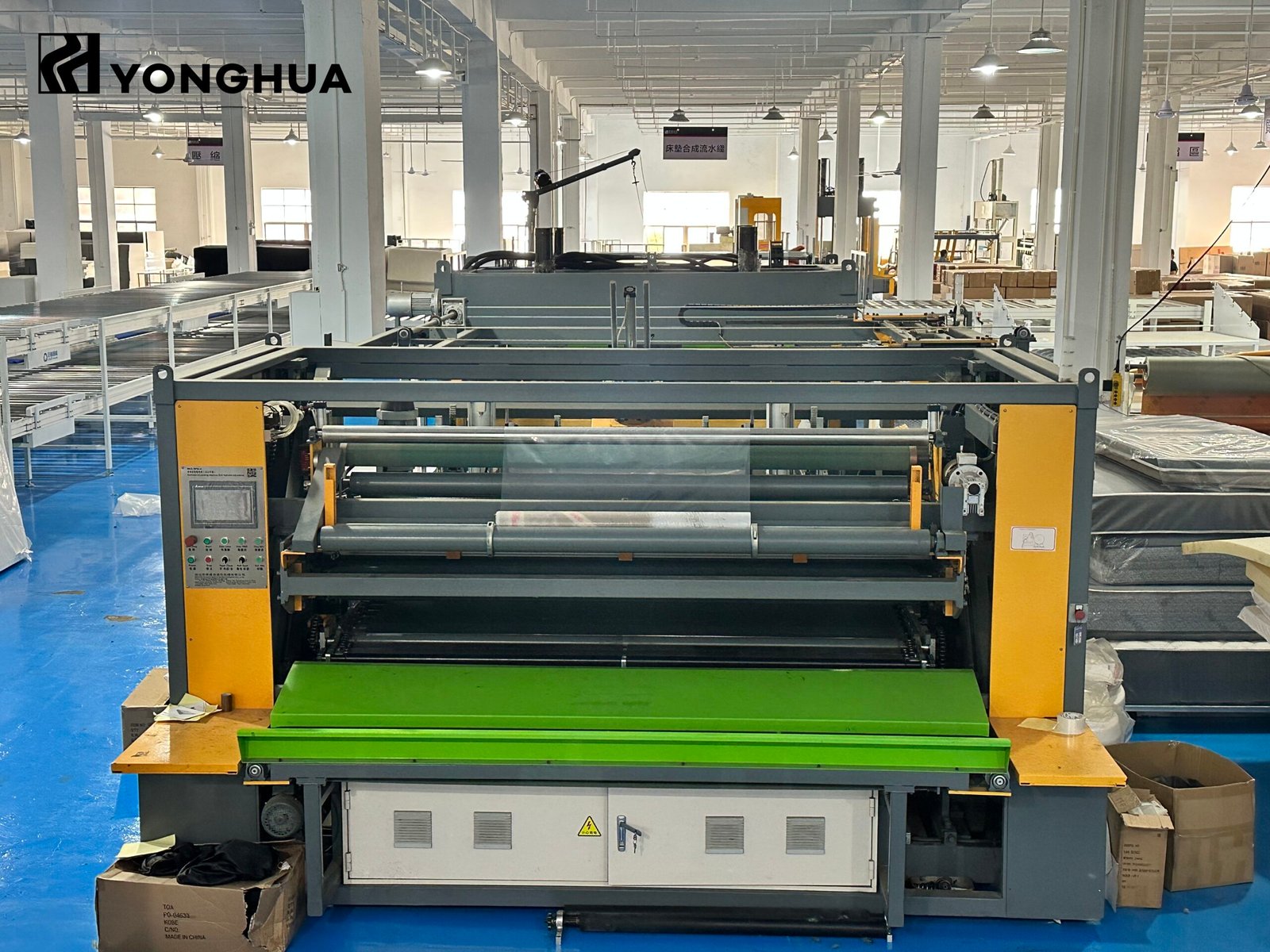
Technological advancements in manufacturing have revolutionized the compressed sofa industry, enabling suppliers to produce high-quality products efficiently. Automation plays a significant role in streamlining production processes, reducing labor costs, and minimizing human error. Automated cutting and sewing machines ensure precision and consistency in product assembly.
3D printing is another innovative technique that allows for the creation of complex and customized sofa components. This technology enables suppliers to experiment with new designs and materials, offering unique and personalized products to consumers. Precision engineering ensures that each sofa meets stringent quality standards, enhancing durability and performance.
Flexible Production and Inventory Management
To respond swiftly to fluctuations in demand, compressed sofa suppliers implement flexible production schedules and inventory management systems. Just-in-time manufacturing is a strategy that minimizes inventory costs by producing sofas only when there is demand. This approach reduces waste and ensures that products are fresh and up-to-date.
Modular production is another effective strategy, allowing suppliers to assemble sofas from standardized components. This flexibility enables quick adjustments to production volumes and designs based on market trends. Efficient inventory management systems track stock levels and optimize storage, ensuring that suppliers can meet consumer demand promptly.
Customization and Personalization
The trend towards personalized furniture has gained momentum, and compressed sofa suppliers are embracing customization options to cater to individual preferences. Consumers seek unique pieces that reflect their personal style and functional needs. Suppliers offer bespoke designs and configurable features, such as customizable upholstery, colors, and dimensions.
Customization enhances market competitiveness by allowing suppliers to differentiate their products from mass-produced alternatives. It also fosters a sense of ownership and satisfaction among consumers, as they can create sofas tailored to their specific requirements. By offering personalization, suppliers tap into a lucrative niche and build strong customer relationships.
Marketing and Branding Strategies
Effective marketing and branding are essential for compressed sofa suppliers to attract and retain customers. Digital marketing plays a pivotal role in reaching contemporary consumers, with strategies such as search engine optimization (SEO), pay-per-click (PPC) advertising, and email campaigns. Social media engagement is crucial for building brand awareness and fostering community interaction.
Influencer partnerships are another powerful tool, leveraging the reach and credibility of influencers to promote products. Collaborations with interior designers and lifestyle bloggers can showcase sofas in real-life settings, enhancing their appeal. By adapting marketing efforts to the digital landscape, suppliers can increase brand visibility and drive sales.
Distribution and Logistics Optimization
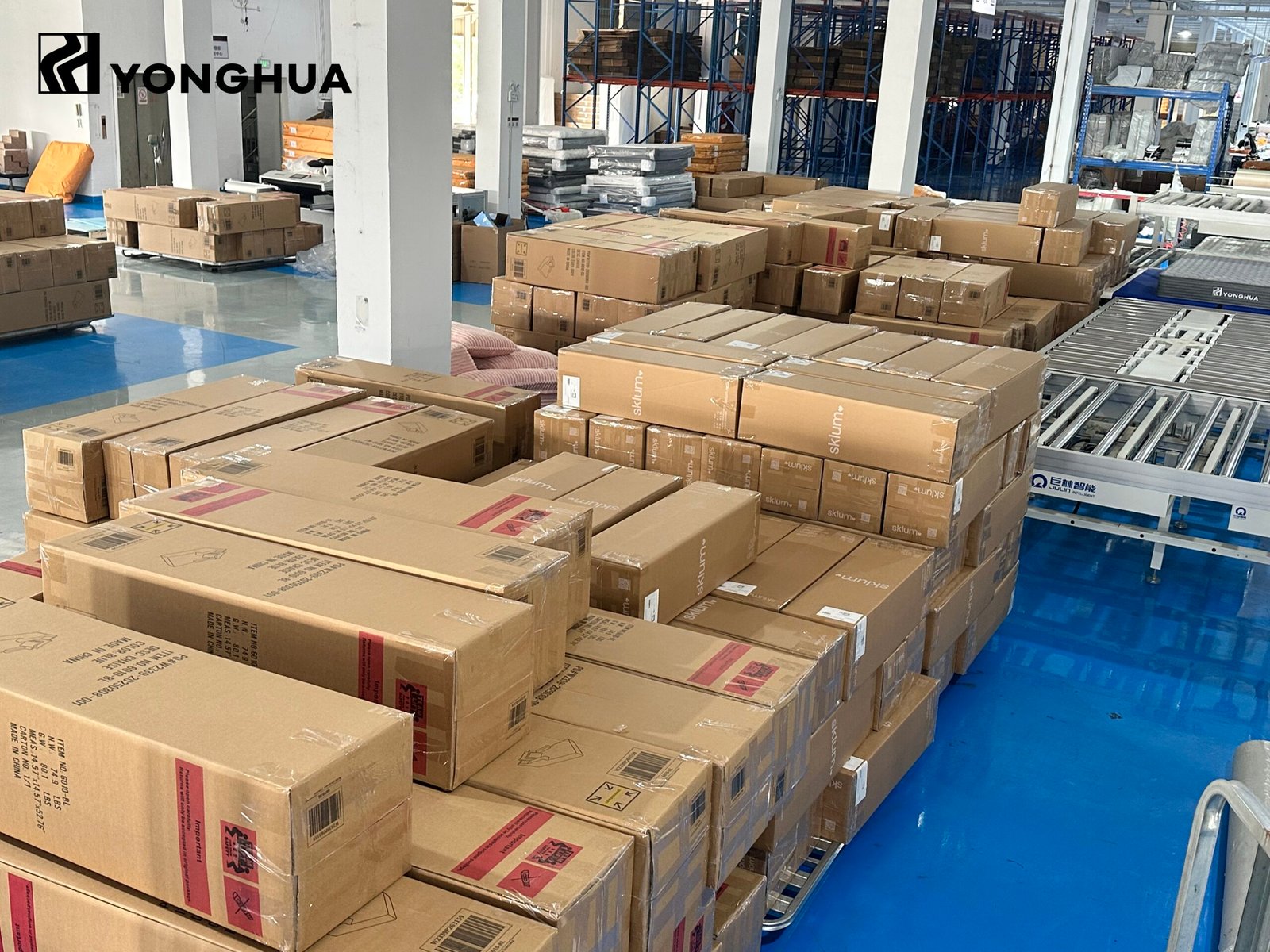
Streamlining distribution and logistics is essential for ensuring timely delivery and reducing costs. Compressed sofa suppliers use a variety of strategies to streamline these processes, including optimized packaging, reliable transportation networks, and advanced warehousing solutions. Efficient packaging reduces shipping costs and minimizes damage during transit. Reliable transportation networks ensure timely delivery to customers, enhancing satisfaction. Advanced warehousing solutions, such as automated inventory management systems, help suppliers track stock levels and streamline order fulfillment. By optimizing distribution and logistics, suppliers can improve operational efficiency and customer satisfaction.
Customer Service and Support
Outstanding customer service is a critical aspect of maintaining consumer satisfaction and loyalty. Suppliers are focusing on enhancing their customer service by offering easy return processes, fast response times, and personalized assistance. Providing excellent after-sales service and addressing customer concerns promptly can significantly improve a brand’s reputation.
Moreover, many suppliers now offer online customer service platforms, making it easier for customers to reach out for support and inquiries. By focusing on customer service, suppliers ensure that customers feel valued, which encourages repeat business and positive word-of-mouth marketing.
Strategic Collaborations and Partnerships
Strategic collaborations with other brands, retailers, and e-commerce platforms are becoming increasingly important for compressed sofa suppliers. These partnerships allow suppliers to expand their reach, access new markets, and increase brand visibility. Collaborating with well-established retailers can also enhance a supplier’s credibility, especially for smaller brands looking to make their mark in the industry.
Additionally, partnerships with interior designers or home renovation professionals can help suppliers tap into the professional market, offering their products as part of larger home projects. By fostering strategic relationships, suppliers can enhance their business opportunities and market presence.