
Introduction to Compressed Sofas
Compressed sofas, a revolutionary concept in the furniture industry, have gained significant traction globally due to their practicality and efficiency. These sofas are designed to be compressed into compact packages, facilitating easier shipping and storage. This article delves into the world of compressed sofas, exploring their definition, benefits, and the burgeoning popularity in the global market. We will also analyze the increasing international demand, identify leading export markets, discuss market trends and consumer preferences, outline regulatory considerations, evaluate the competitive landscape, detail supply chain and logistics, provide marketing strategies for export success, analyze the economic impact, and predict future trends and opportunities.
1. Introduction to Compressed Sofas
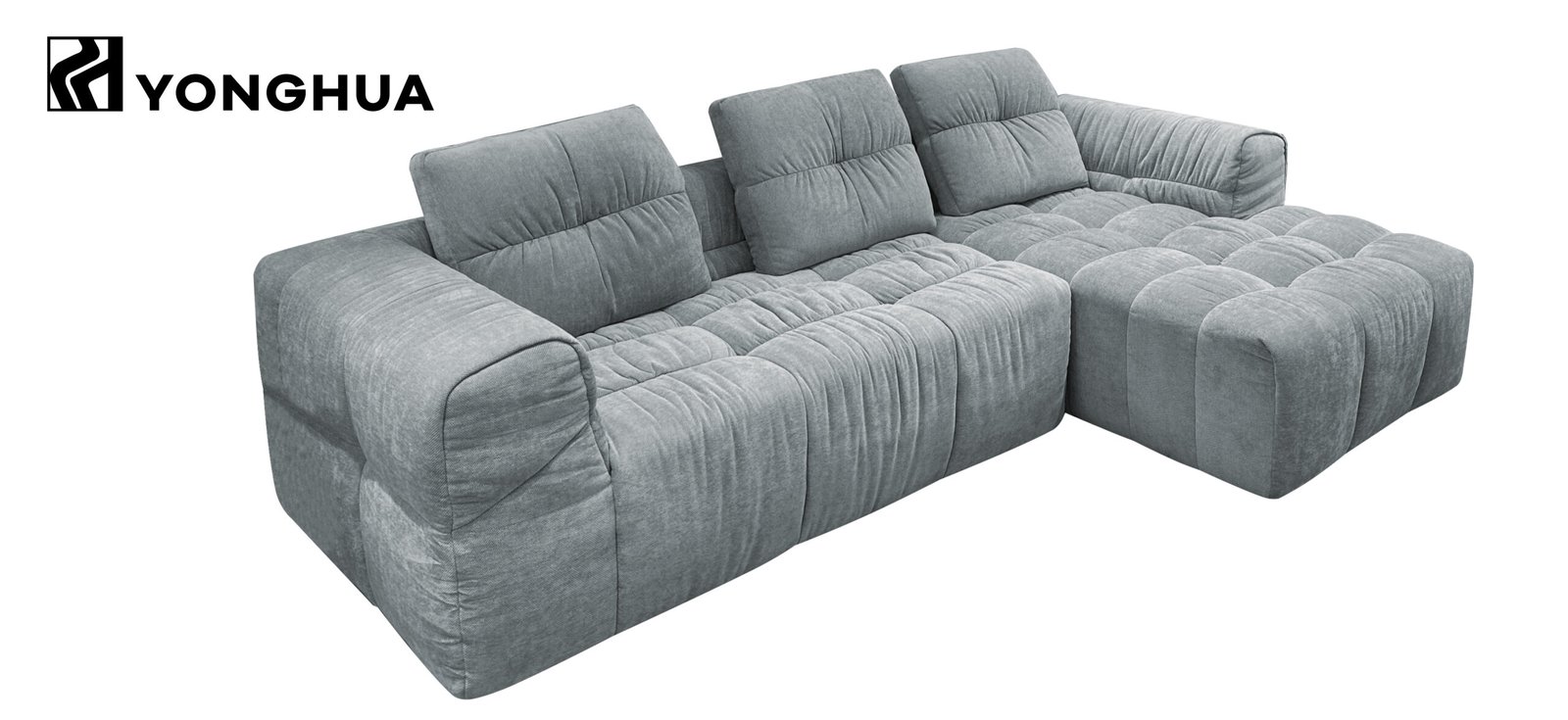
Compressed sofas are innovative furniture pieces that are designed to be compacted into smaller, manageable packages for ease of transportation and storage. The compression process involves reducing the volume of the sofa without compromising its structural integrity or comfort. This is typically achieved using advanced machinery that compresses the sofa and packages it in durable materials to protect it during transit.
The benefits of compressed sofas are manifold. Firstly, they significantly reduce shipping costs. Traditional sofas occupy considerable space, leading to higher shipping expenses. Compressed sofas, on the other hand, occupy less space, allowing more units to be shipped at once. Secondly, they are easier to store, both for retailers and consumers. Retailers can maximize their storage capacity, while consumers can conveniently store the sofa until it is ready to be assembled. Lastly, the environmental impact is also reduced due to fewer emissions from transportation.
The popularity of compressed sofas is steadily rising in the global furniture market. As consumers become more aware of the logistical and economic benefits, the demand for these space-saving solutions continues to grow. This trend is particularly evident in urban areas where living spaces are limited, and efficient use of space is paramount.
2. Global Demand for Compressed Sofas
The global demand for compressed sofas has seen a significant uptick in recent years. Several factors contribute to this growing demand. Urbanization is a key driver, as more people move to cities and face the challenge of smaller living spaces. Compressed sofas offer a practical solution by providing comfortable seating without occupying excessive space.
Another contributing factor is the rise of e-commerce. Online shopping has revolutionized the way consumers purchase furniture. Compressed sofas are ideal for e-commerce platforms as they are easier and cheaper to ship, making them more attractive to online retailers and consumers alike. Additionally, the convenience of receiving a compact package that can be easily transported and assembled appeals to the modern consumer.
The COVID-19 pandemic has also played a role in boosting demand. With more people working from home and spending extended periods indoors, there has been an increased focus on home comfort and functionality. Compressed sofas provide a versatile seating option that can be easily moved and rearranged to suit changing needs.
3. Leading Export Markets
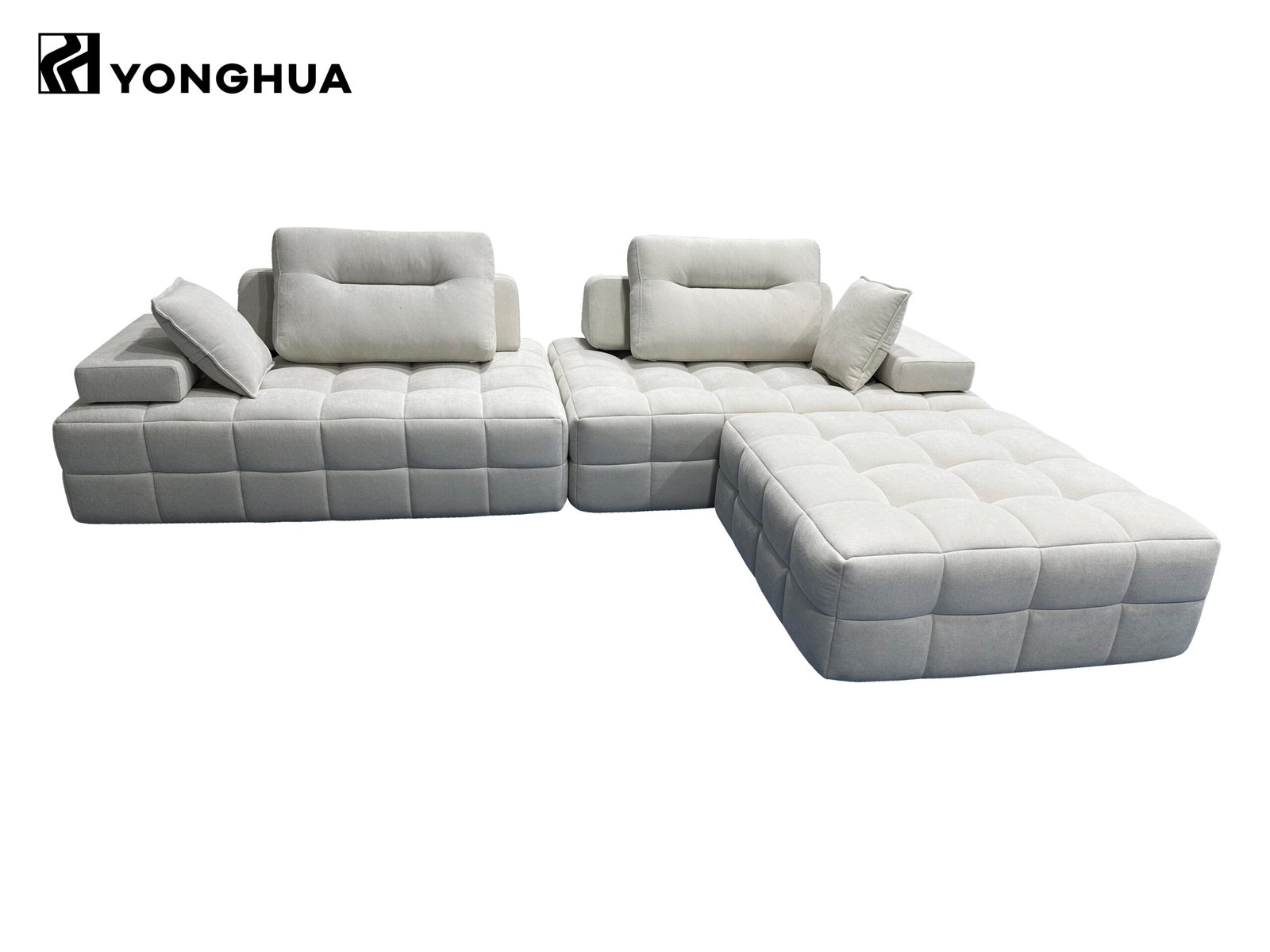
Several countries have emerged as leading importers of compressed sofas. The United States tops the list, driven by the high demand for innovative furniture solutions and the robust e-commerce sector. According to recent statistics, the US imports millions of compressed sofas annually, with market size projections indicating continued growth.
Europe is another significant market, with countries like Germany, the United Kingdom, and France leading the way. The European market is characterized by a preference for stylish and functional furniture, making compressed sofas a popular choice. Import volumes in these countries have steadily increased, reflecting the growing consumer interest.
Asia-Pacific is also a notable region, with countries like China, Japan, and Australia showing strong demand. The rapid urbanization and expanding middle class in these countries have fueled the need for space-saving furniture solutions. Import data reveals substantial growth, with China and Japan being particularly prominent markets.

4. Market Trends and Consumer Preferences
The compressed sofa market is influenced by several trends and consumer preferences. One notable trend is the increasing demand for customizable options. Consumers are looking for sofas that can be tailored to their specific needs, whether it’s color, material, or configuration. This trend is particularly strong in regions like North America and Europe, where personalization is highly valued.
Another trend is the preference for sustainable and eco-friendly materials. As environmental consciousness grows, consumers are seeking furniture that aligns with their values. Compressed sofas made from recycled or sustainable materials are gaining popularity, especially in Europe.
Price points also play a crucial role in consumer preferences. In North America, mid-range compressed sofas are the most popular, offering a balance between quality and affordability. In contrast, the European market shows a preference for high-end, designer compressed sofas that emphasize style and craftsmanship.
5. Regulatory Considerations
Compressed sofa suppliers must navigate a complex landscape of regulations and standards in major export markets. In the United States, the Consumer Product Safety Commission (CPSC) sets stringent guidelines for furniture safety, including flammability standards and labeling requirements. Compliance with these regulations is essential to avoid legal issues and ensure consumer safety.
In Europe, the European Union (EU) has established comprehensive regulations for furniture imports. The General Product Safety Directive (GPSD) mandates that all furniture, including compressed sofas, meet specific safety and environmental standards before being sold in the market. Compliance with these regulations is critical to avoid penalties and maintain a strong market presence.
In addition to these, manufacturers must also consider local regulations on materials, especially if they are using innovative materials like memory foam or eco-friendly fabrics. Understanding and adhering to these standards ensures that suppliers can successfully export their products while ensuring safety and compliance in different regions.
6. Competitive Analysis
The competitive landscape in the compressed sofa market is characterized by several major players, including IKEA, Ashley Furniture, and Wayfair. These companies have significant market share and are known for their innovative designs, high-quality products, and effective marketing strategies. IKEA, for example, has a strong reputation for affordable, stylish furniture and a global distribution network.
Smaller companies and startups are also entering the market, offering unique designs and niche products. These companies often focus on sustainability and customization to differentiate themselves from larger competitors. Understanding the strengths and strategies of major players is key to identifying market opportunities and navigating the competitive environment.
7. Supply Chain and Logistics
The logistics of manufacturing and delivering compressed sofas are essential considerations for suppliers and manufacturers. Due to their compact nature, compressed sofas reduce the cost of shipping, making them attractive to consumers and suppliers alike. However, the compression process requires specialized machinery and packaging materials, which may increase production costs.
Suppliers need to establish efficient supply chains that ensure timely delivery and minimize delays. Streamlined processes, effective inventory management, and strong relationships with shipping companies are crucial for ensuring that compressed sofas reach consumers in a timely manner. With global demand increasing, optimizing the supply chain is vital for remaining competitive.
8. Marketing Strategies for Export Success
To succeed in the global market, compressed sofa suppliers need to implement effective marketing strategies. One key strategy is leveraging online platforms to reach international consumers. E-commerce allows manufacturers to bypass traditional retail channels and sell directly to customers, cutting down on overhead costs.
Social media marketing, influencer partnerships, and content marketing are also essential for building brand awareness and driving sales. By highlighting the space-saving benefits, ease of assembly, and environmental impact of compressed sofas, suppliers can attract a broad audience and position themselves as leaders in the market.
9. Economic Impact
The global compressed sofa market is having a significant economic impact. The demand for compressed sofas is creating new jobs in manufacturing, logistics, and e-commerce sectors. Additionally, the reduced shipping and storage costs are benefiting both businesses and consumers by making furniture more affordable.
Furthermore, the growing popularity of compressed sofas is encouraging innovation in materials and production processes, contributing to the overall growth of the furniture industry. As the market continues to expand, it is likely to contribute to economic growth, particularly in emerging markets.
10. Future Outlook and Opportunities
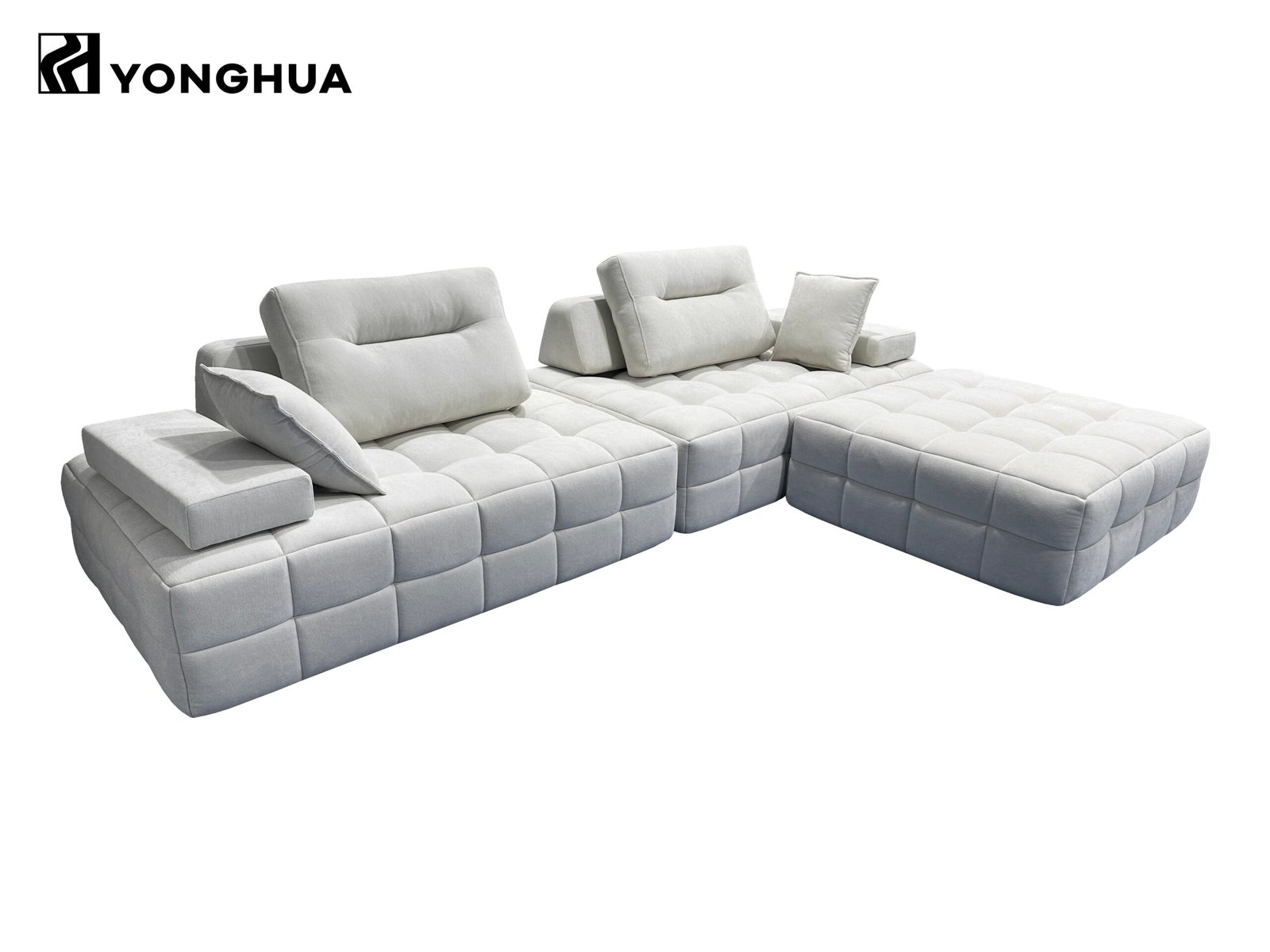
The future of compressed sofas looks promising, with continued growth expected as urbanization and e-commerce continue to rise. The increasing focus on sustainable and eco-friendly products will drive innovation in materials, with more suppliers offering eco-friendly options to meet consumer demand.
Additionally, the demand for customizable and multifunctional furniture will likely continue to shape the development of compressed sofas. As new technologies and manufacturing techniques emerge, the production process for compressed sofas may become more efficient, further reducing costs and increasing market reach.